
2026 Kitchen Cabinet Trends: Walnut, Burl Wood, & Warm Neutrals
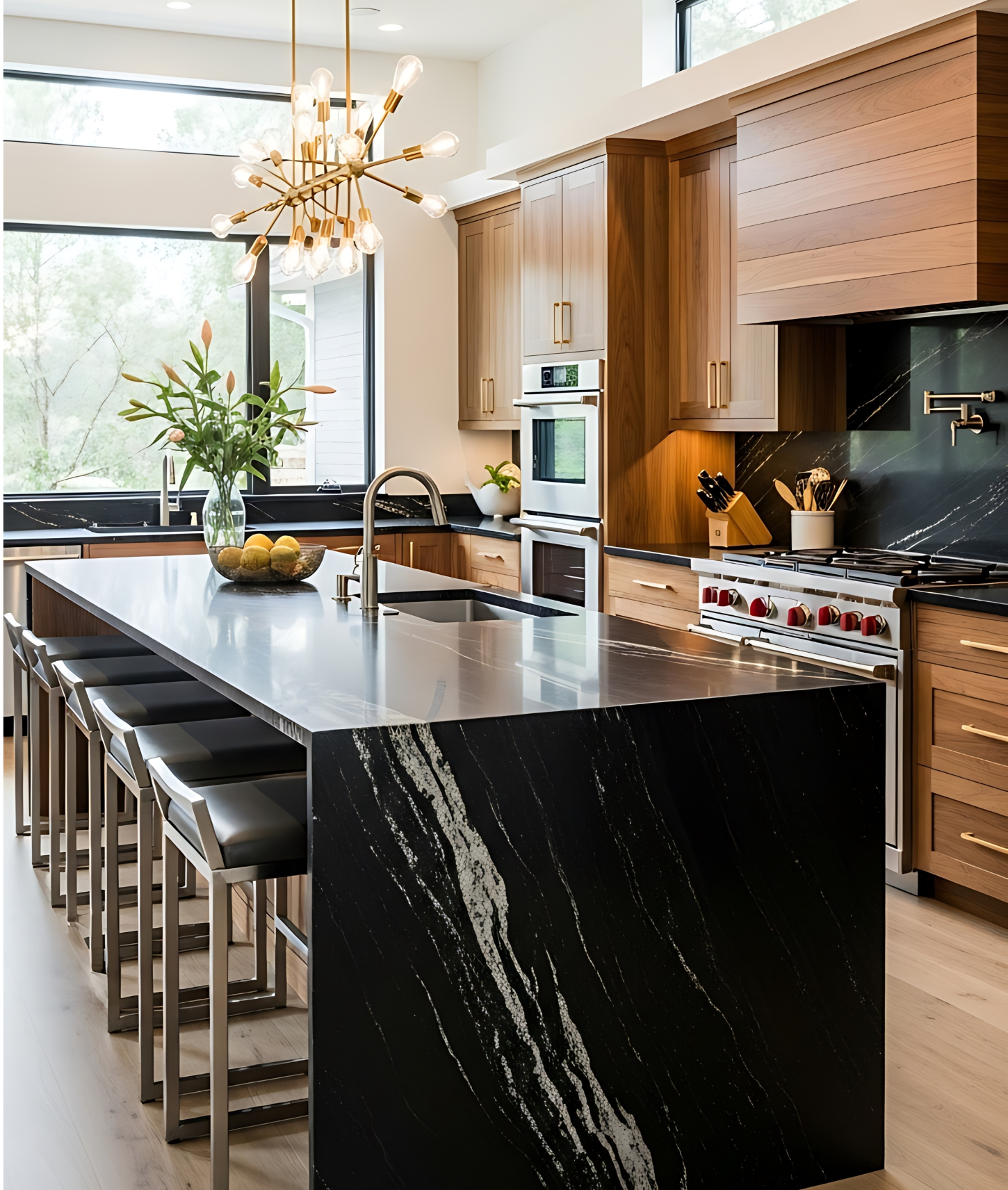
Walnut islands are leading 2026 kitchen design. Rich grain, clean lines, and layered materials create depth without relying on bold color.
If you have been saving kitchen inspiration lately, you have probably noticed the shift.
The bright white, high-contrast kitchens that dominated the last decade are softening. In their place, designers are choosing materials with depth, texture, and warmth.
According to the National Kitchen and Bath Association’s 2026 Kitchen Trends Report, wood cabinetry continues to gain momentum, and neutrals remain the dominant color family. Coverage of the NKBA report confirms that wood cabinets, led by white oak and closely followed by walnut, are rising in demand.
Better Homes and Gardens also highlights warm neutrals and rich wood tones as defining cabinet directions for 2026.
This is not about chasing a trend. It is about how kitchens are being built differently.
Let’s look at what that means in real cabinetry decisions.
Walnut: Full Kitchens, Not Just Accents
Walnut is no longer reserved for a single island or floating shelf.
In 2026, it is showing up in:
Full-height perimeter cabinetry
Slim Shaker or flat-panel doors
Panel-ready refrigerator and dishwasher fronts
Custom vent hoods wrapped in continuous grain veneer
Waterfall island ends
Walnut islands are leading 2026 kitchen design, adding depth through grain and material contrast.
Designers are favoring rift-cut or quarter-sawn walnut to create a cleaner, more linear grain pattern. That subtle detail makes a big difference. The result feels tailored instead of rustic.
Walnut pairs especially well with:
Honed quartzite or soapstone countertops
Slab backsplashes behind the range
Aged brass or brushed bronze hardware
Integrated LED under-cabinet lighting
From a practical standpoint, walnut also hides minor wear better than painted cabinetry, which makes it a strong choice for busy families.
For homeowners investing in custom or semi-custom cabinets, walnut offers depth without relying on bold color.
Burl Wood: Strategic Use, Strong Impact
Burl wood is gaining attention because of its distinct, swirling grain pattern. Better Homes and Gardens recently identified it as a rising cabinetry material for 2026.
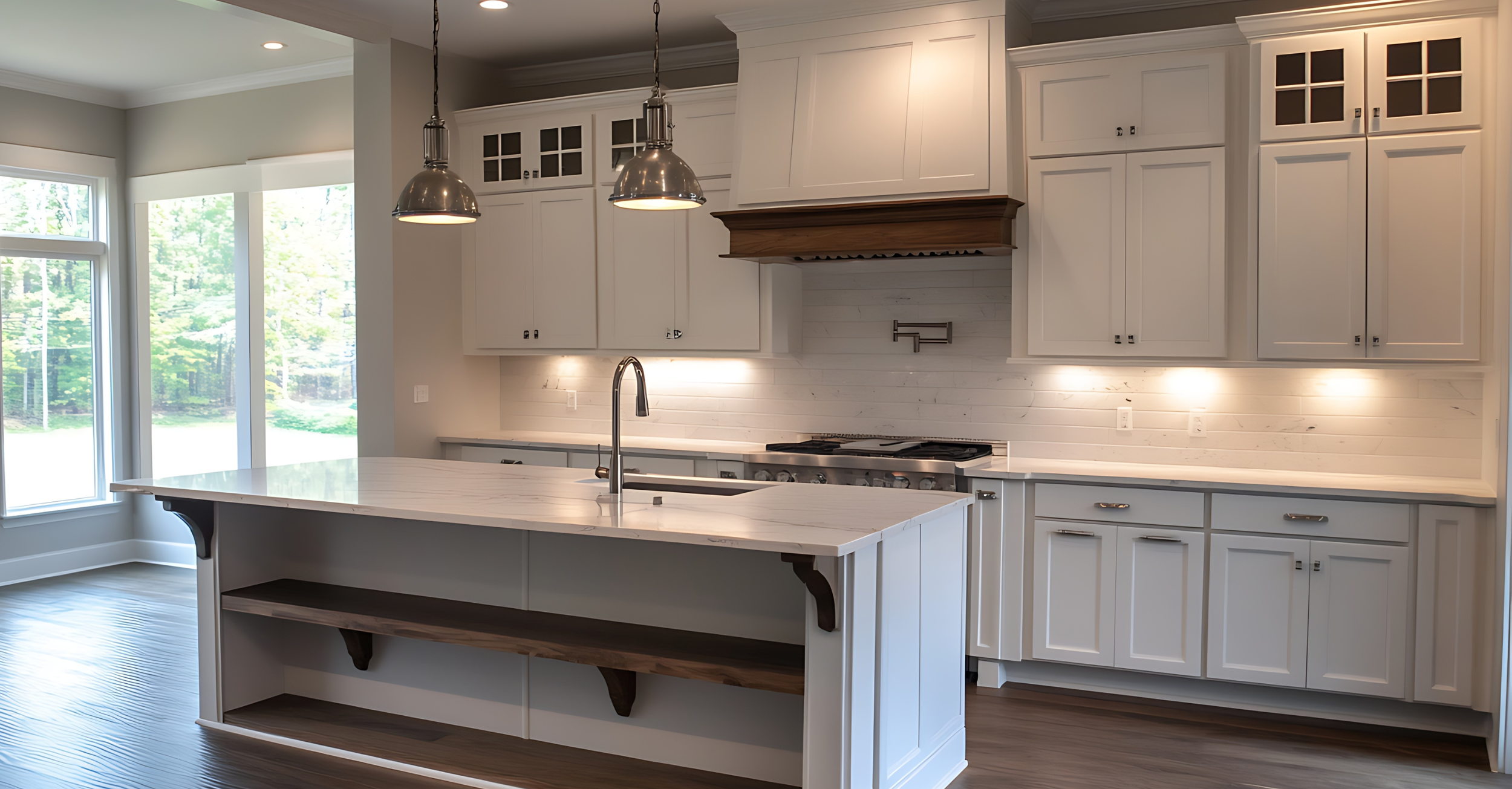
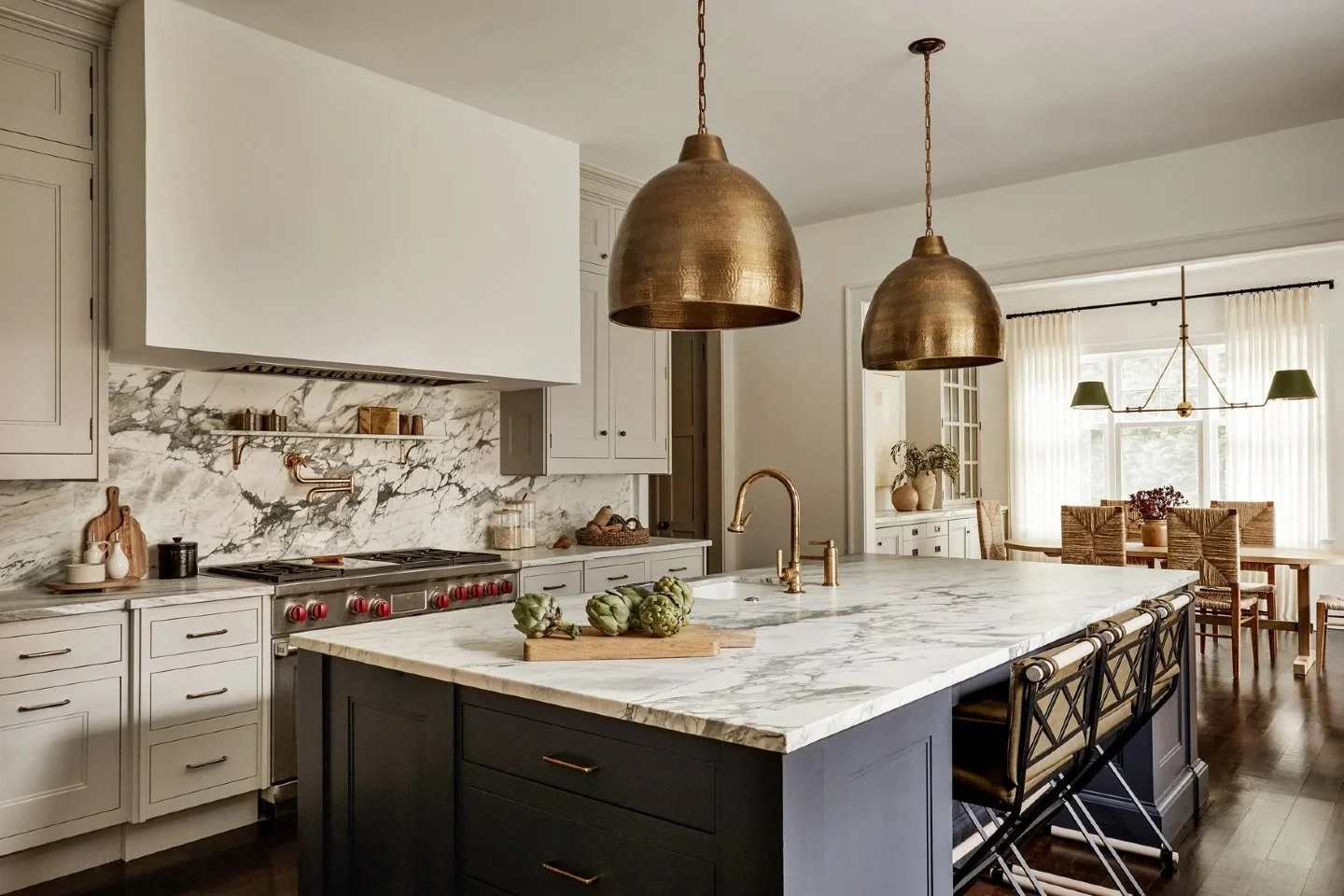
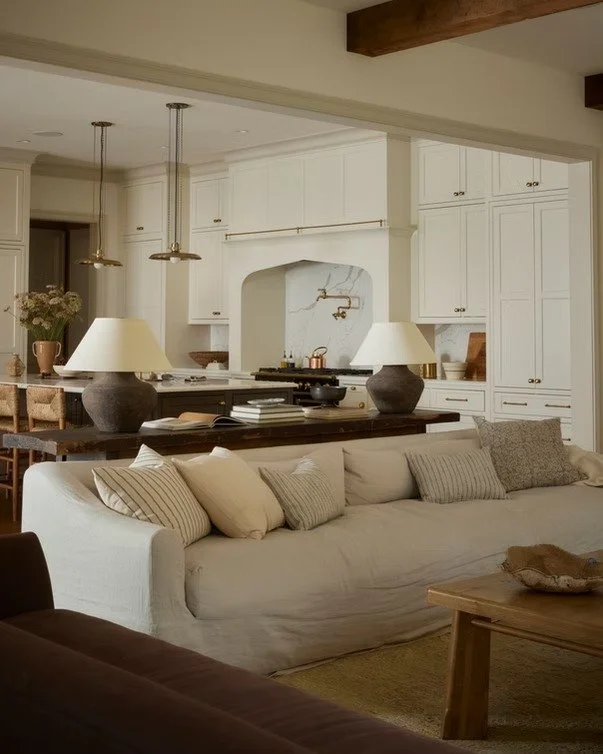
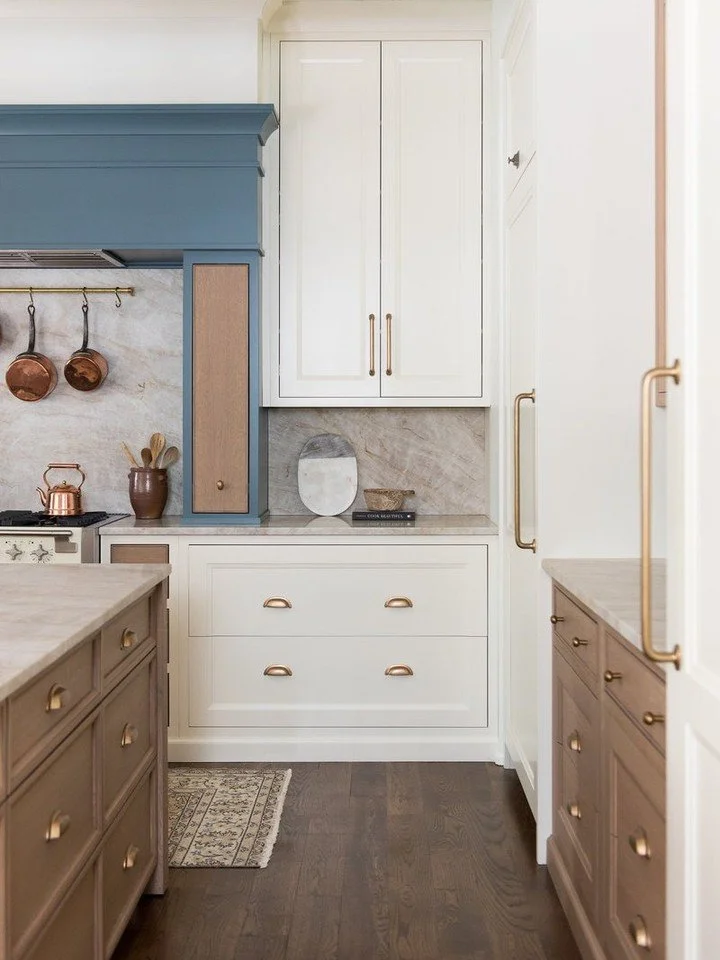
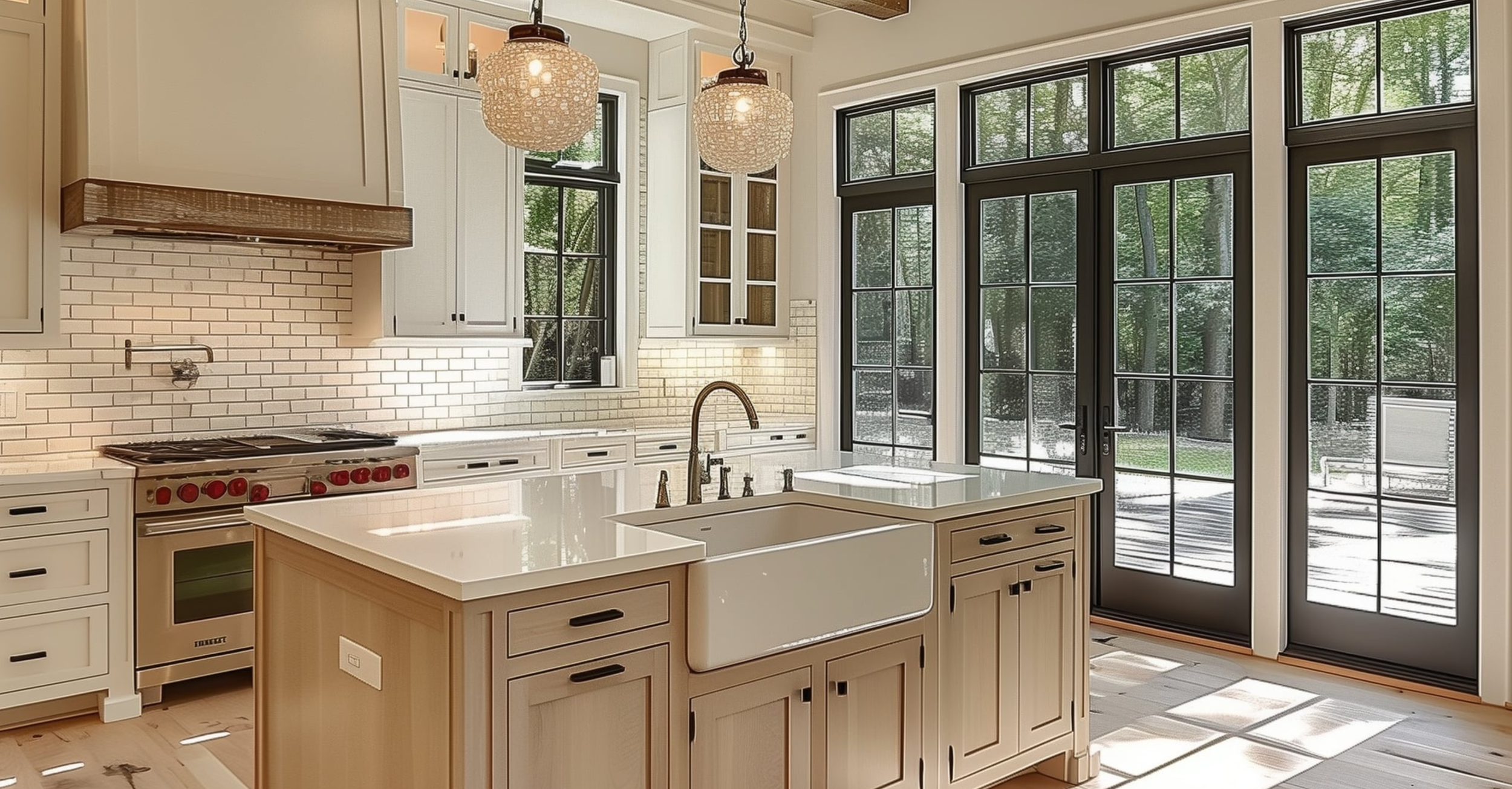
Warm neutrals are replacing stark white. Soft taupe cabinetry paired with mixed metals offers a calmer, more grounded palette for 2026.
It is not typically used across an entire kitchen. It works best when applied intentionally.
We are seeing burl wood used in:
Island drawer fronts paired with neutral perimeter cabinets
Built-in bar cabinetry
Decorative end panels
Floating bathroom vanities
Interior cabinet backing behind glass doors
The key is contrast. Burl stands out most when framed by simpler materials such as straight-grain walnut or warm neutral paint.
This layered approach is replacing one-note kitchens. Instead of a single finish throughout, designers are mixing materials to create depth.
The result feels collected, not showroom-perfect.
Warm Neutrals: Specific Shades Replacing Stark White
White kitchens are not disappearing. They are warming up.
Better Homes and Gardens reports that mushroom, taupe, soft beige, and creamy off-whites are leading cabinet palettes in 2026. The NKBA data supports this direction, showing neutrals remain dominant, but cooler grays are declining.
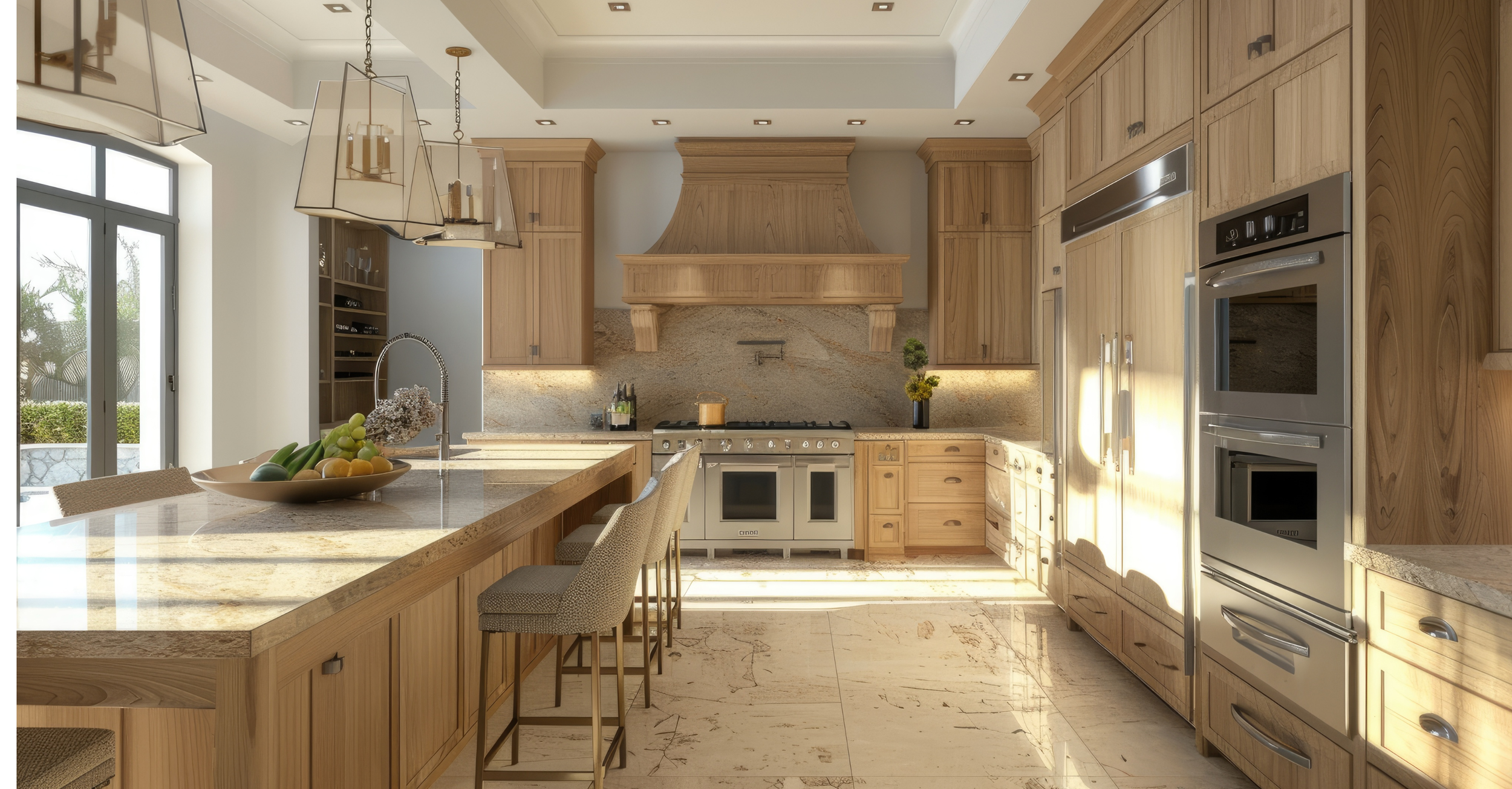
Full-height wood cabinetry paired with a custom hood detail brings warmth and structure to the space. Material choice is carrying more visual weight than paint in 2026.
In cabinetry terms, that looks like:
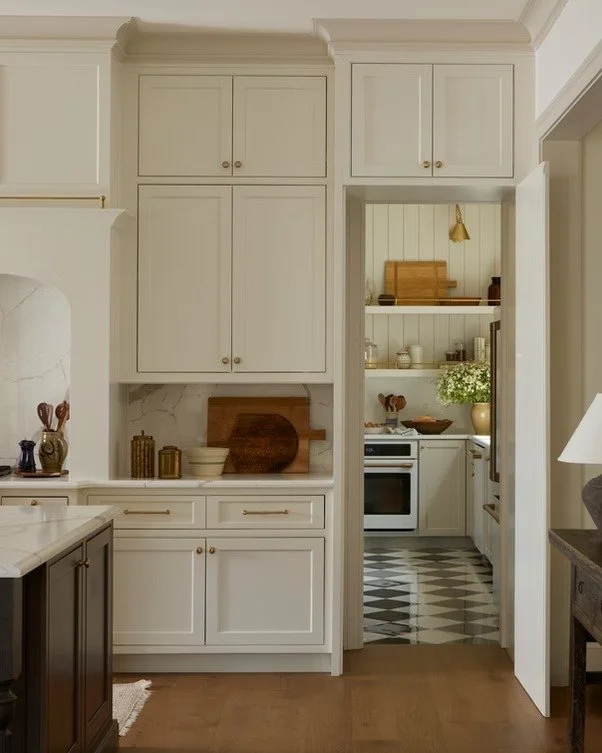
Cream perimeter cabinets with subtle depth
Warm greige Shaker doors
Taupe kitchen islands
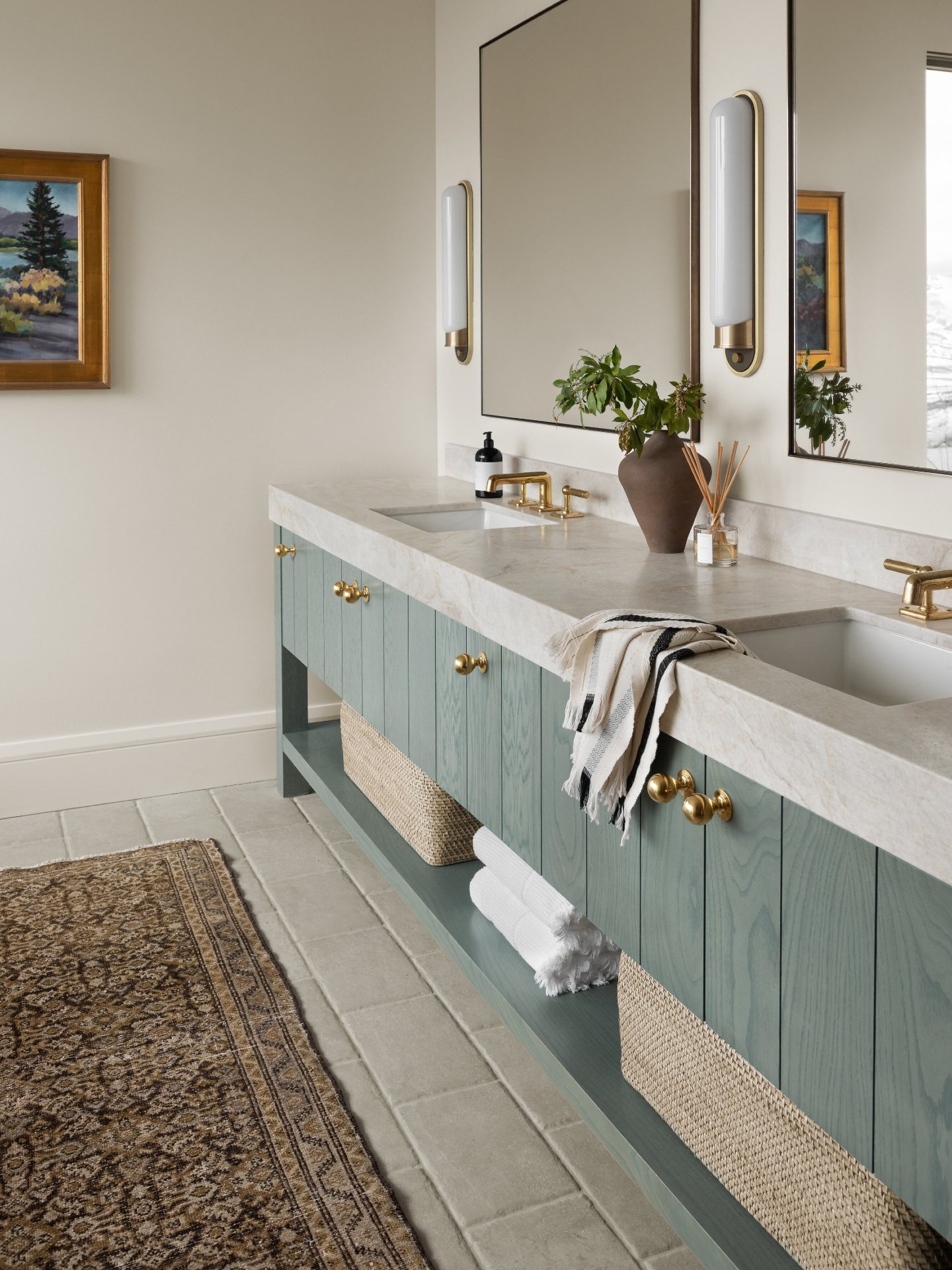
Clay-toned bathroom vanities
These colors work well with:
Natural oak flooring
Quartzite with warm veining
Handmade-look tile
Mixed metal hardware
Warm neutrals allow texture to carry the design. Instead of bold paint colors driving the room, grain, stone movement, and hardware detail take the lead.
Construction Details Matter Just as Much as Color
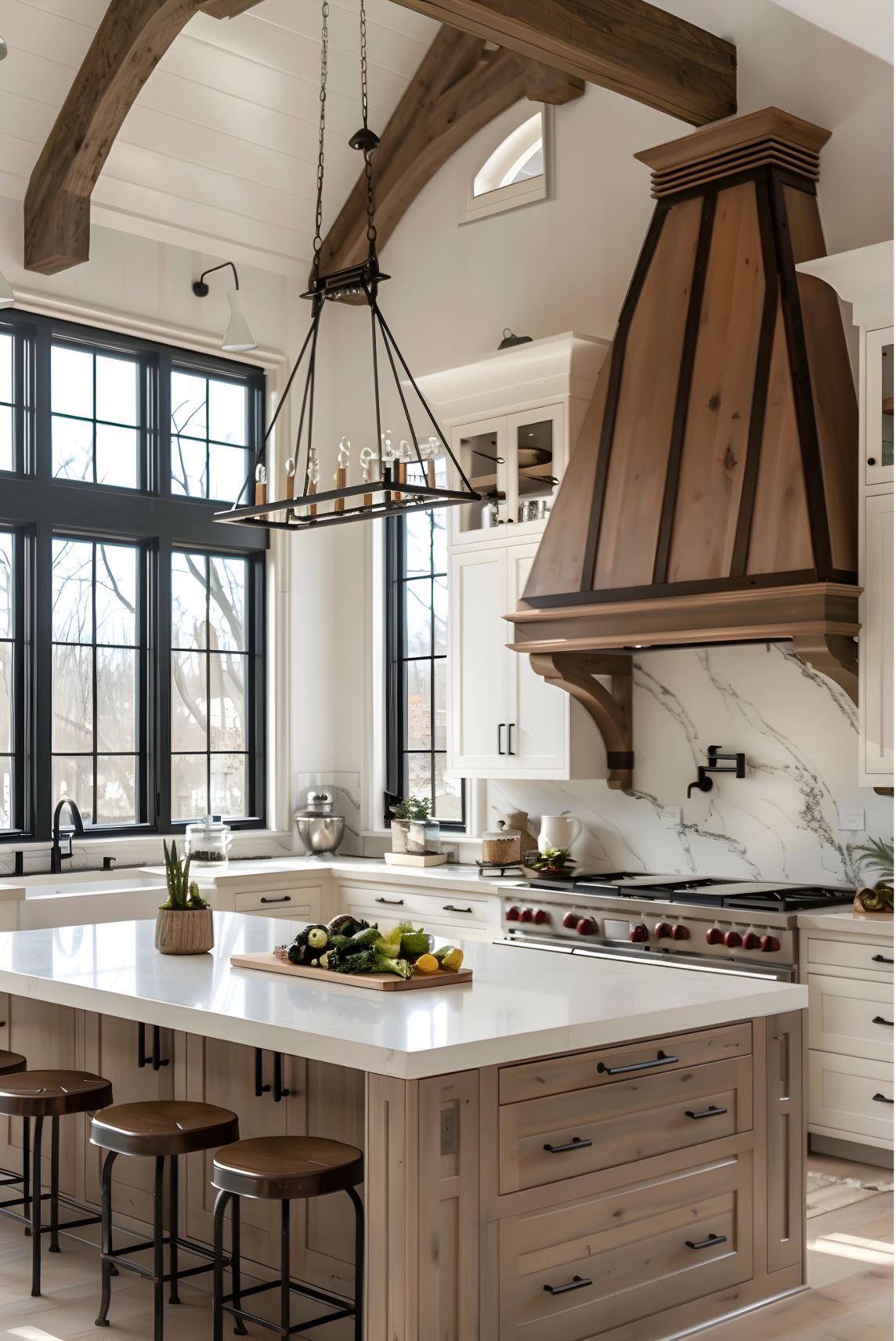
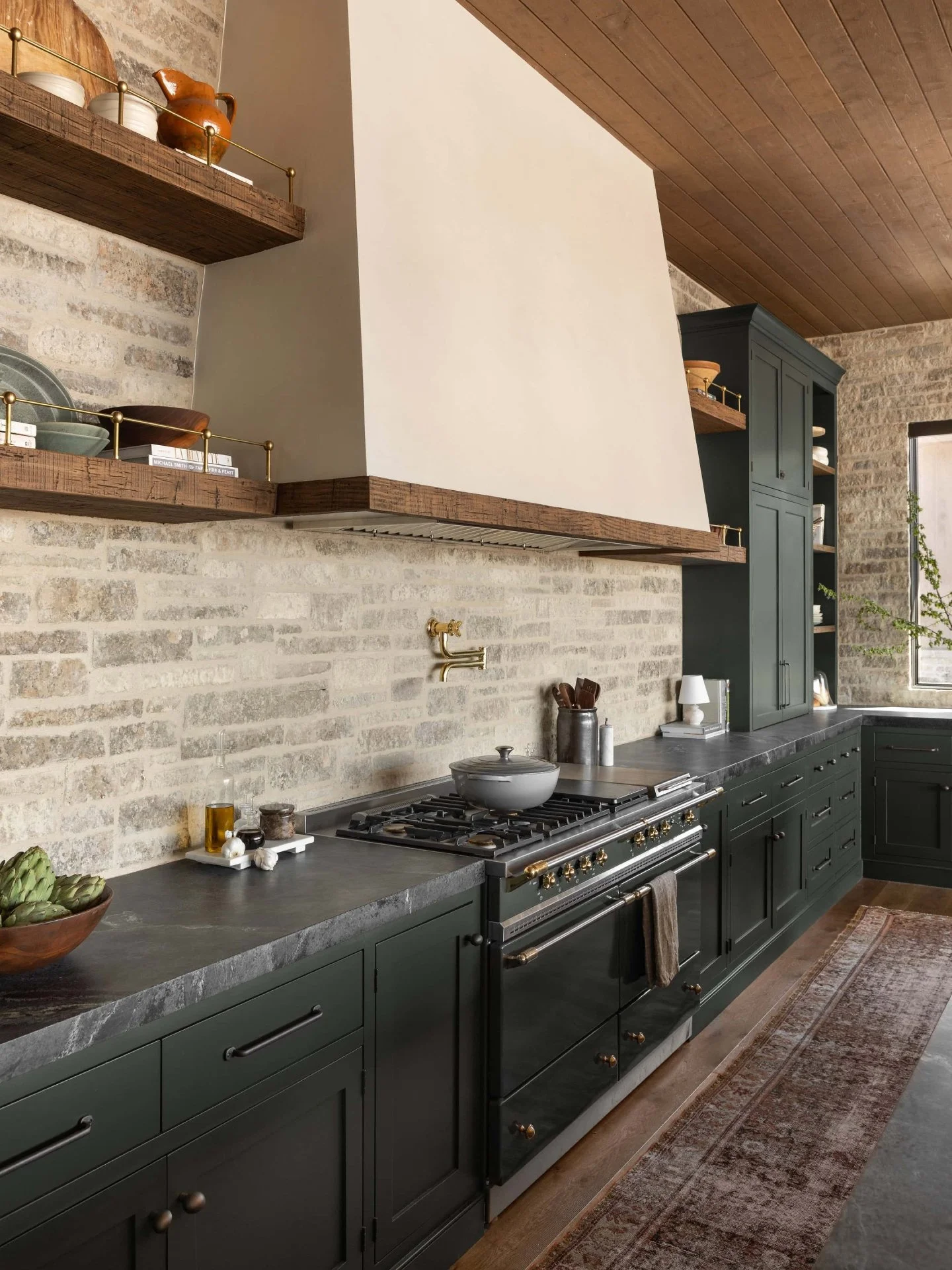
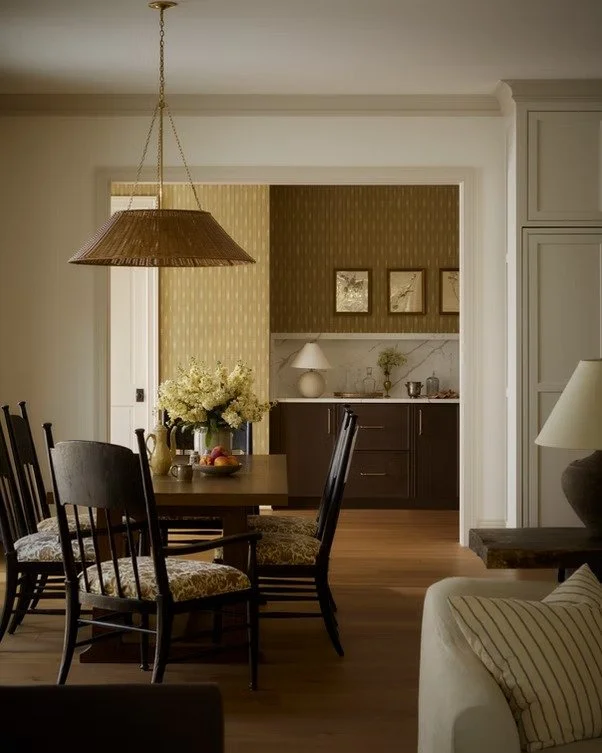
Layered wood tones, architectural beams, and a statement hood create dimension. Kitchens are shifting toward texture and structure over high contrast finishes.
The 2026 shift is not just material-based. It is structural.
We are seeing increased demand for:
Inset cabinet doors for a furniture-style look
Slim-profile Shaker frames
Full overlay slab fronts in wood tones
Appliance garages with pocket doors
Deep drawer bases replacing lower cabinet doors
Integrated trash and recycling pull-outs
Storage design is becoming more intentional. Homeowners want:
Charging drawers with built-in outlets
Vertical tray storage near the range
Spice pull-outs flanking cooktops
Concealed coffee stations
The kitchen is expected to function cleanly and quietly.
That expectation is consistent across the homeowners we work with throughout Gainesville and the surrounding North Georgia area. The goal is not just visual impact. It is daily usability.
The Bigger Direction: Natural, Layered, Practical
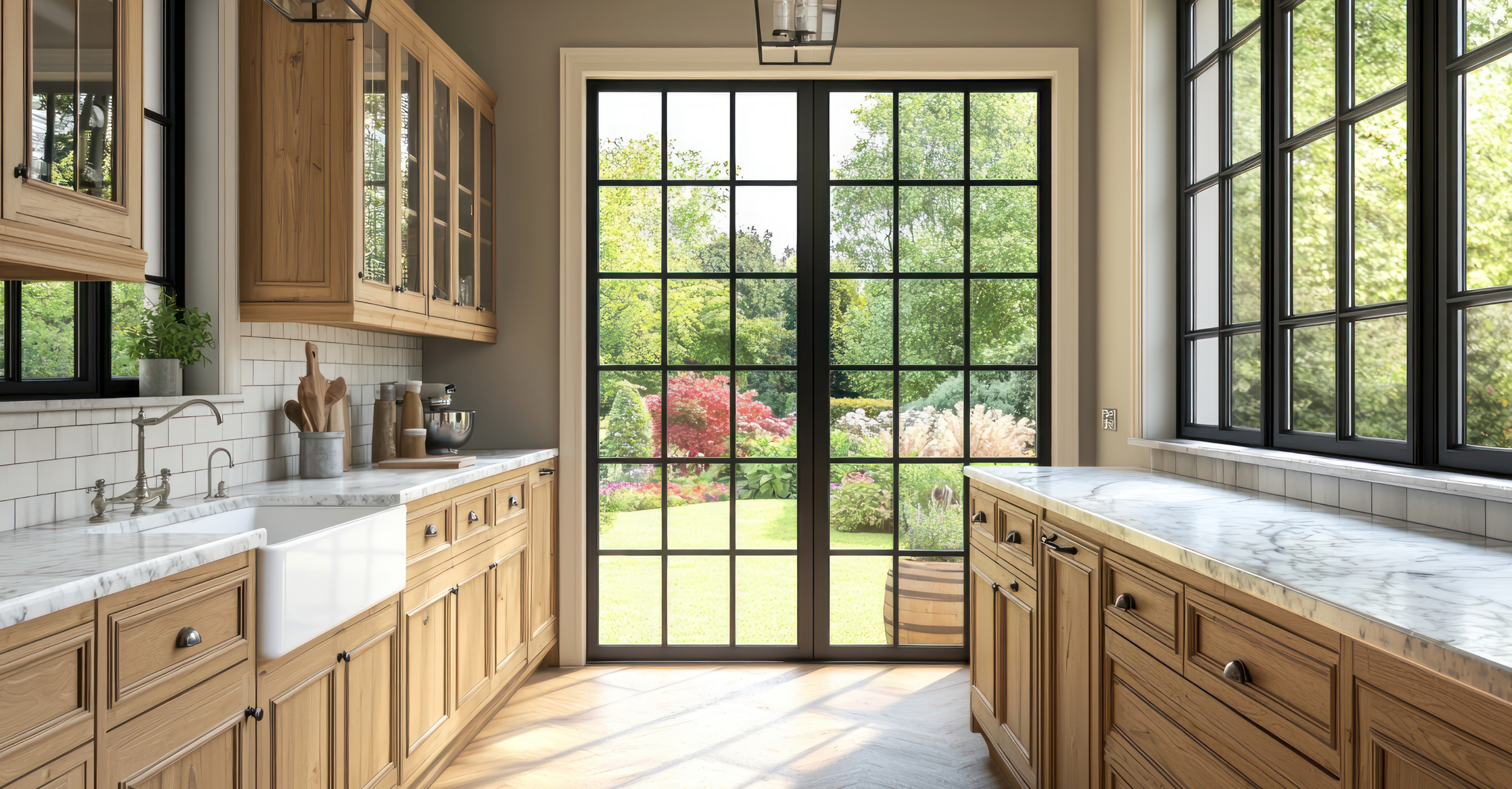
Natural wood base cabinets bring warmth to a light-filled kitchen. Grain visibility is becoming just as important as color selection.
When you combine walnut, burl accents, and warm neutrals, you see the larger direction.
Kitchens are becoming:
More material-driven
Less glossy
Less high-contrast
More focused on longevity
Grain is visible. Finishes are honed. Hardware has texture. Cabinet layouts prioritize storage.
Instead of designing around what is trending on social media, homeowners are designing around how they actually live.
If you are planning a renovation, start with the structure. Choose your wood species. Decide on door profile. Map out storage. Then layer in color.
At Hester Family Millwork, we guide clients through these decisions step by step, whether the project is fully custom, semi-custom, or RTA cabinetry. The goal is the same. Build something that functions correctly and holds up over time.
If you are exploring kitchen cabinetry options and want guidance on materials, grain direction, layout, and finish selection, we would be glad to help you think it through.
Let’s build a kitchen that works as well as it looks.
& bring the next chapter of cabinetry design into your home.