
Why White Kitchens Are Softening
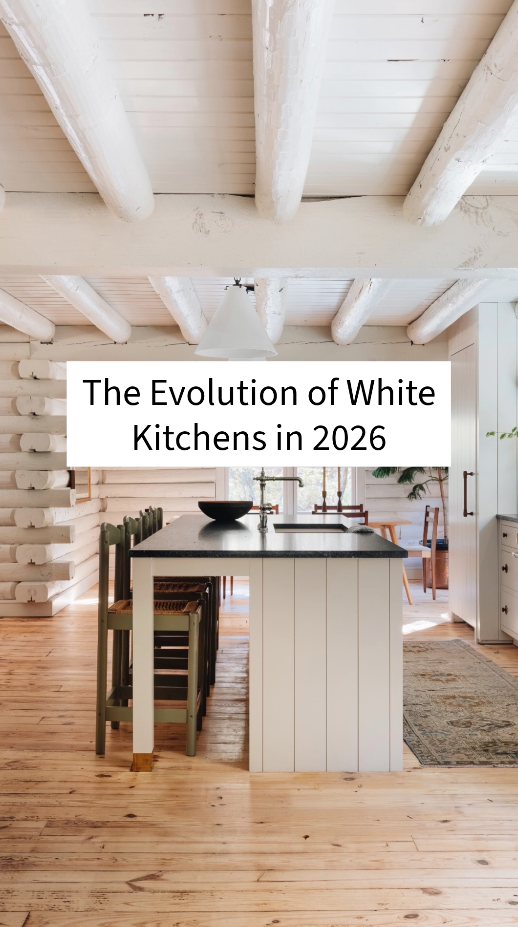
If you have been saving kitchen inspiration lately, you may have noticed something shifting.
The bright white kitchens that dominated the last decade are not disappearing, but they are changing. Many homeowners are starting to feel that stark, high-contrast spaces no longer reflect how they want their homes to feel.
Instead, kitchens are becoming softer, warmer, and more layered.
At Hester Family Millwork, we are seeing this shift firsthand as more clients move toward cabinetry and finishes that feel timeless, balanced, and easier to live in.
Why White Kitchens Are Evolving
White kitchens became popular for a reason. They feel clean, open, and versatile.
But over time, many homeowners have found that all-white spaces can feel flat or overly stark, especially when there is little variation in material or tone.
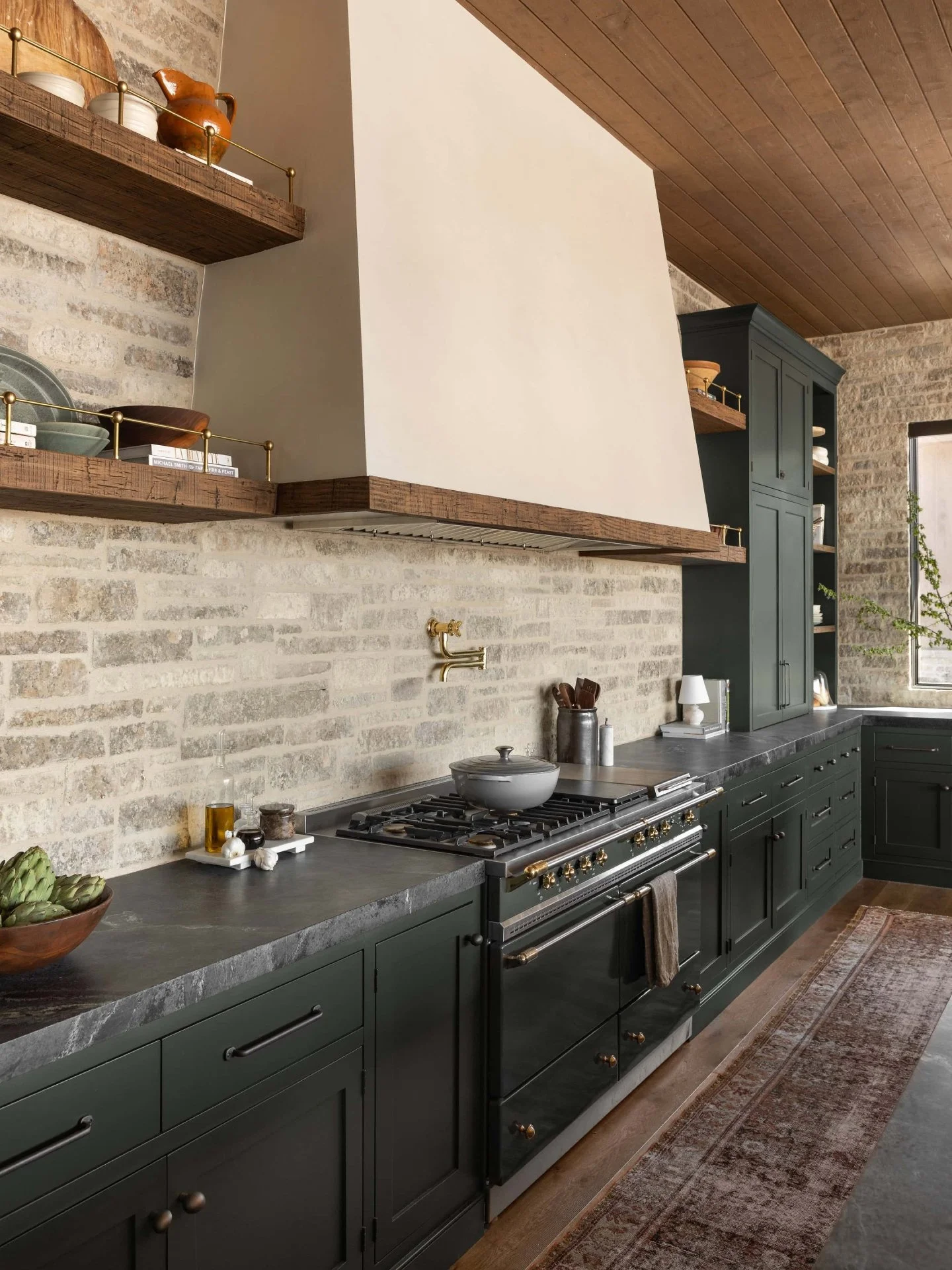
The shift happening now is not about removing white entirely. It is about softening it. This means introducing warmth, texture, and depth while still maintaining a light and inviting space.
The Rise of Warm, Layered Cabinetry
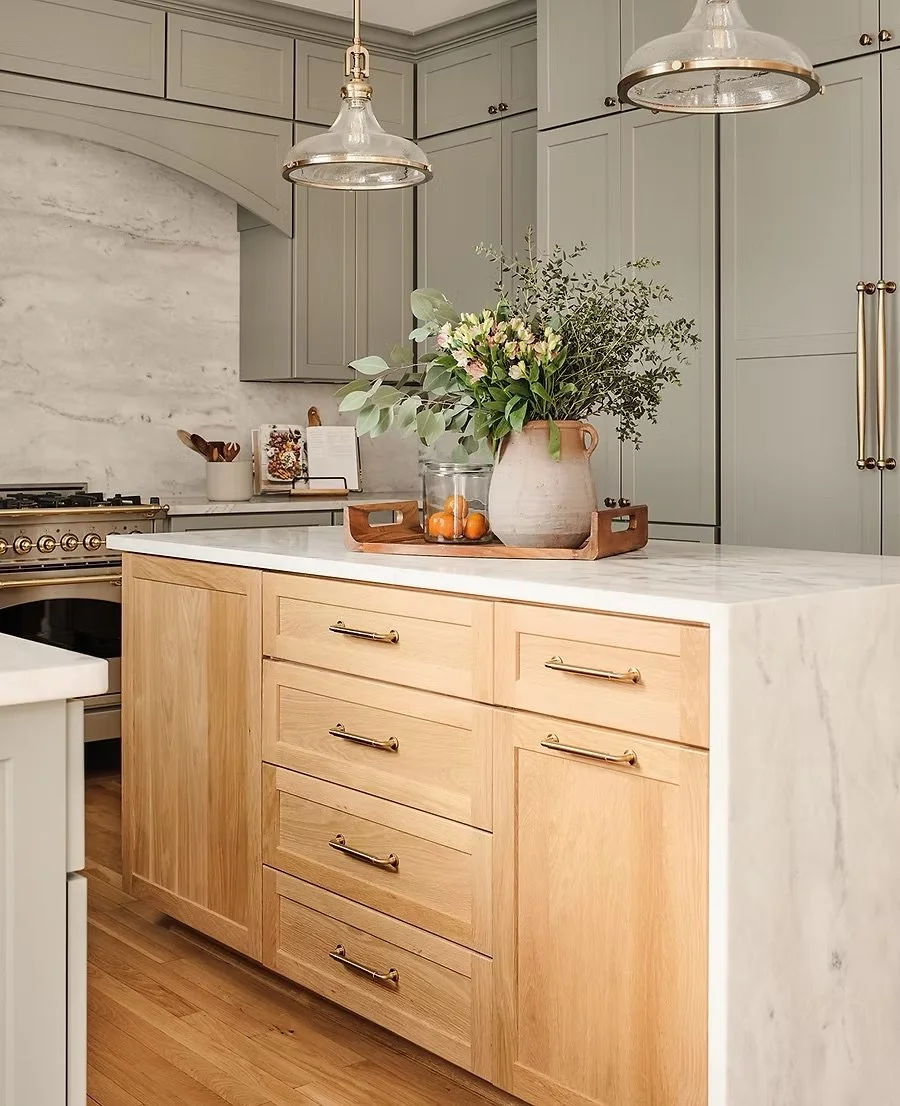
One of the biggest changes in 2026 kitchen design is how cabinetry is being used.
Instead of relying on a single cabinet color, designers are layering tones and materials to create dimension.
This often includes:
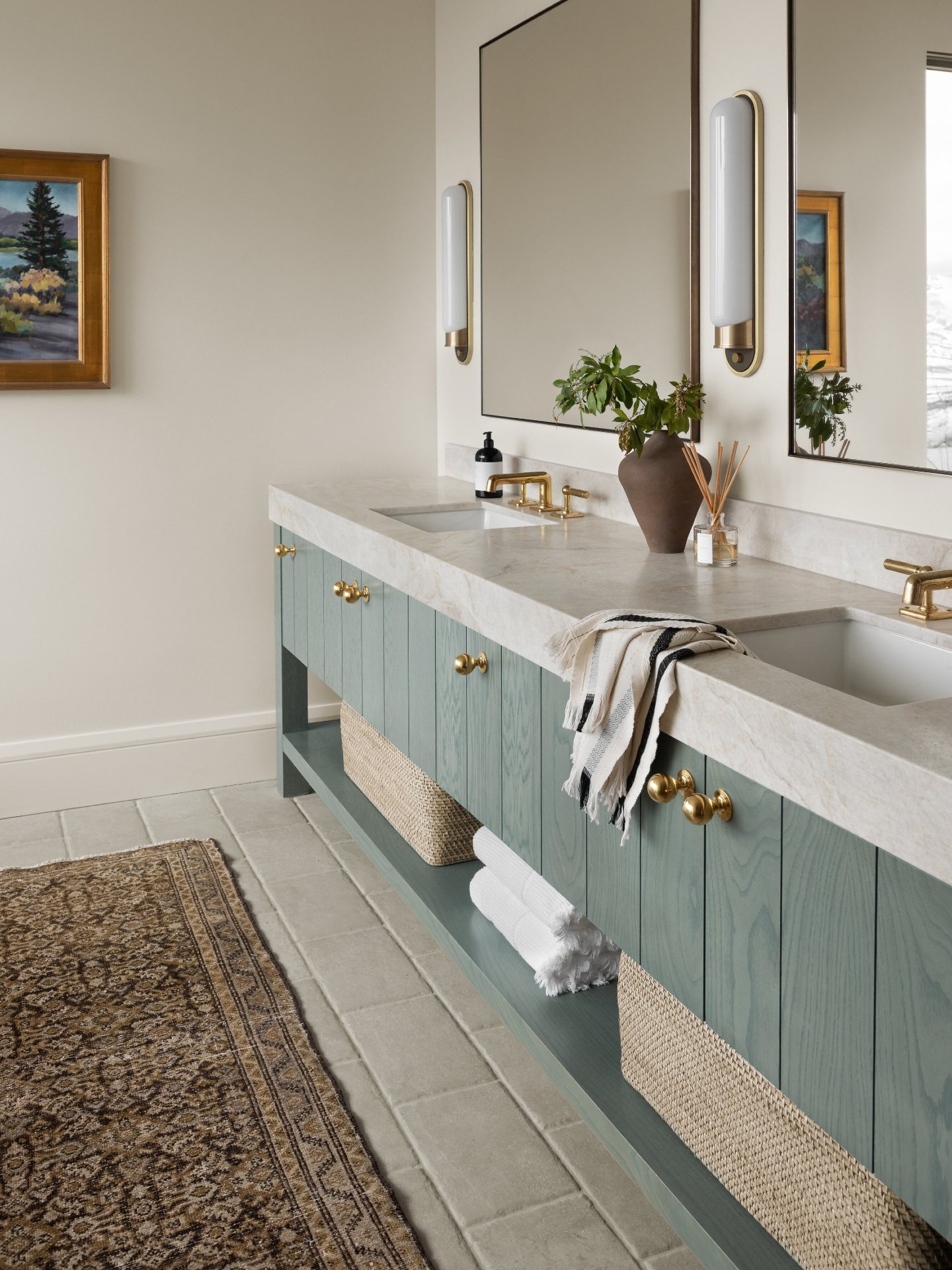
Painted cabinets paired with natural wood elements
Soft neutrals instead of bright, cool whites
Finishes that respond to light throughout the day
These combinations create kitchens that feel more natural and less staged.
Explore custom cabinetry options designed for layered spaces.
Natural Materials Are Leading the Way
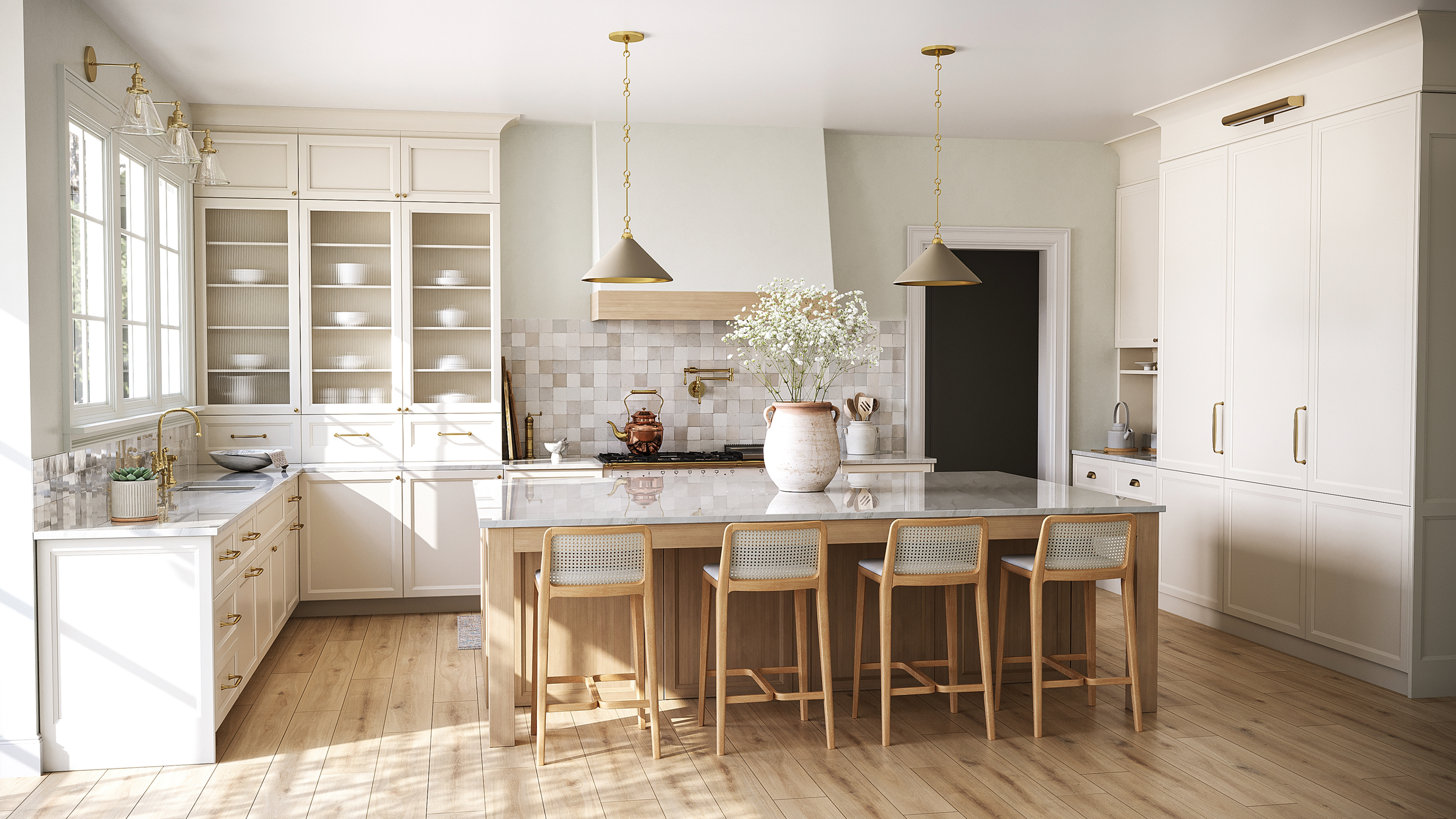
As kitchens move away from stark contrast, natural materials are taking a larger role.
Wood, stone, and textured surfaces are being used to break up cabinetry and add warmth.
This might look like:
White or neutral cabinets paired with a wood island
Stone countertops with visible movement and variation
Subtle textures in tile or backsplash design
These elements add depth without overwhelming the space.
Depth and Balance Over Contrast
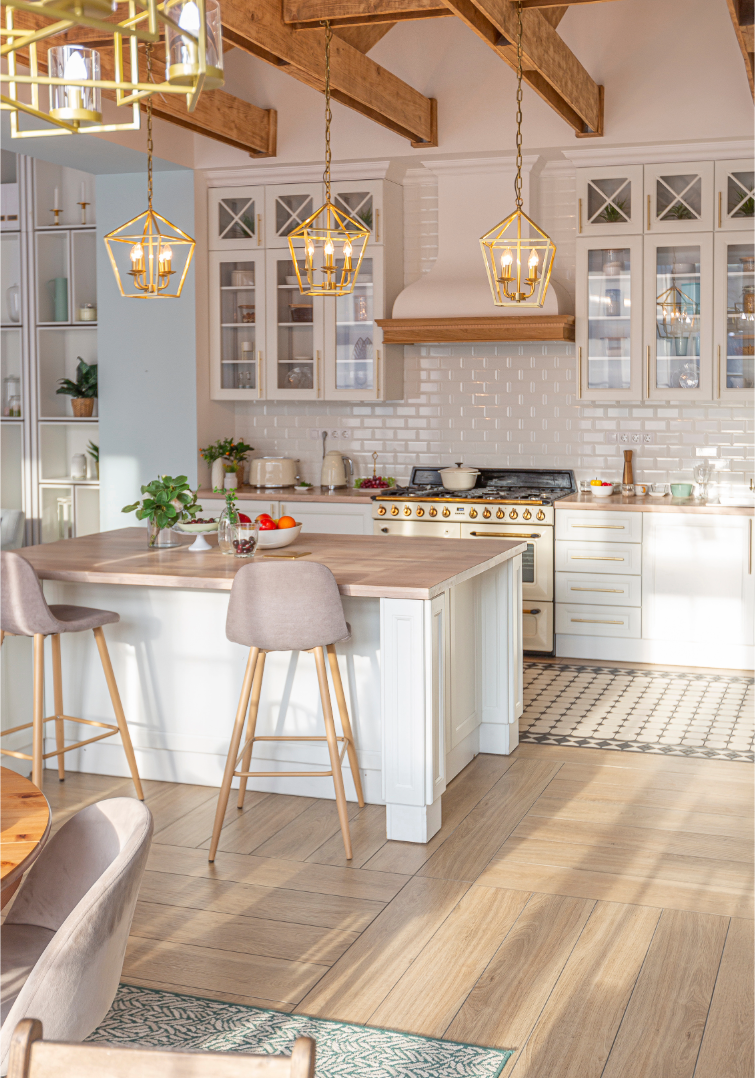
In previous years, kitchen design often focused on contrast, light cabinets with dark islands, or bold color differences.
In 2026, the focus is shifting toward balance.
Instead of sharp contrast, designers are creating depth through:
Layered finishes
Panel detailing and cabinetry structure
Soft transitions between materials
This approach feels more cohesive and timeless.
Full-Height Cabinets & Clean Lines
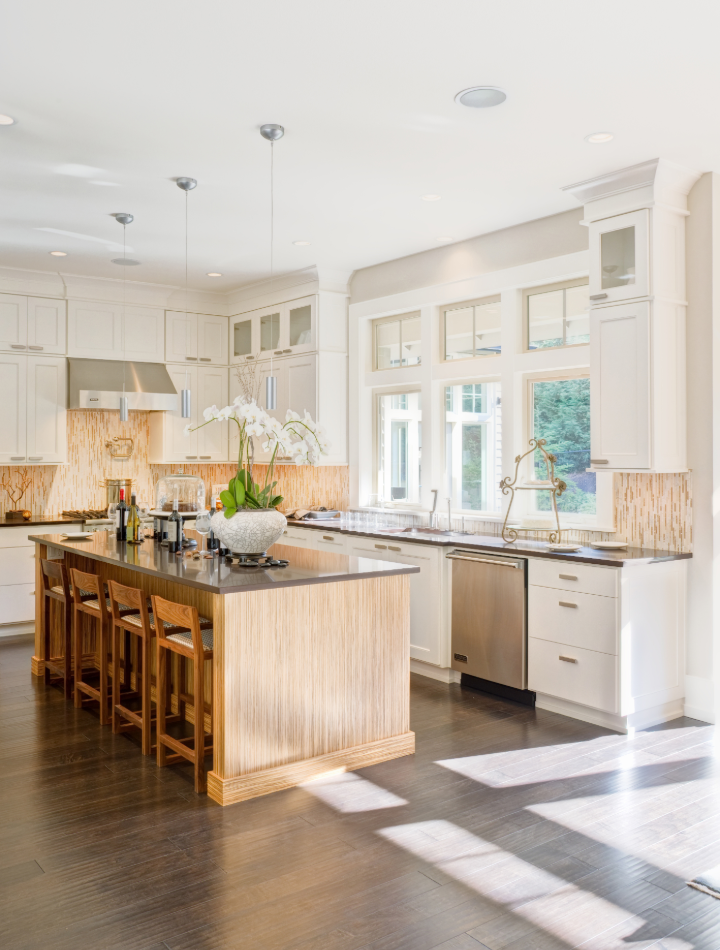
Another key trend is the move toward full-height cabinetry.
Cabinets that extend to the ceiling create a cleaner, more architectural look while also maximizing storage.
This eliminates visual gaps and helps the kitchen feel more intentional as part of the home’s overall design.
Learn more about cabinetry styles and layouts here.
Kitchens Designed for Real Life
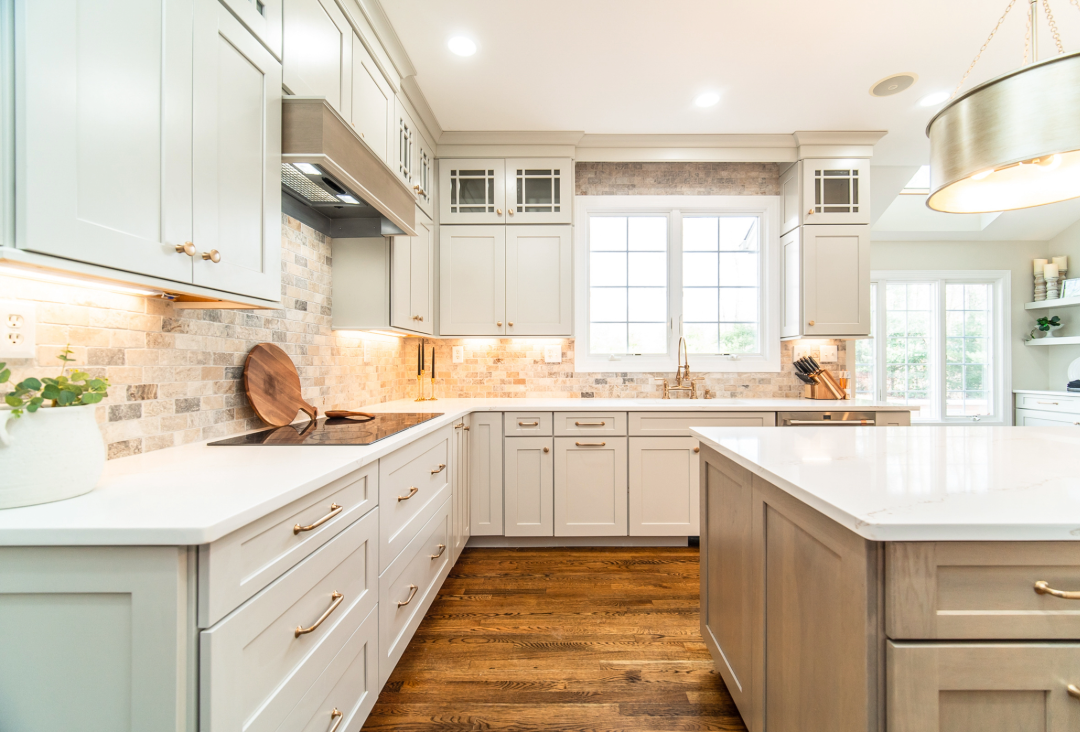
Beyond aesthetics, this shift is also about how kitchens function. Homeowners want spaces that feel comfortable, organized, and easy to use every day.
That means:
Better storage solutions
Thoughtful cabinet layouts
Materials that hold up to daily life
The goal is not just a beautiful kitchen, but one that supports how your household actually lives.
See how our process prioritizes both design and function here.
What This Means for Your Kitchen
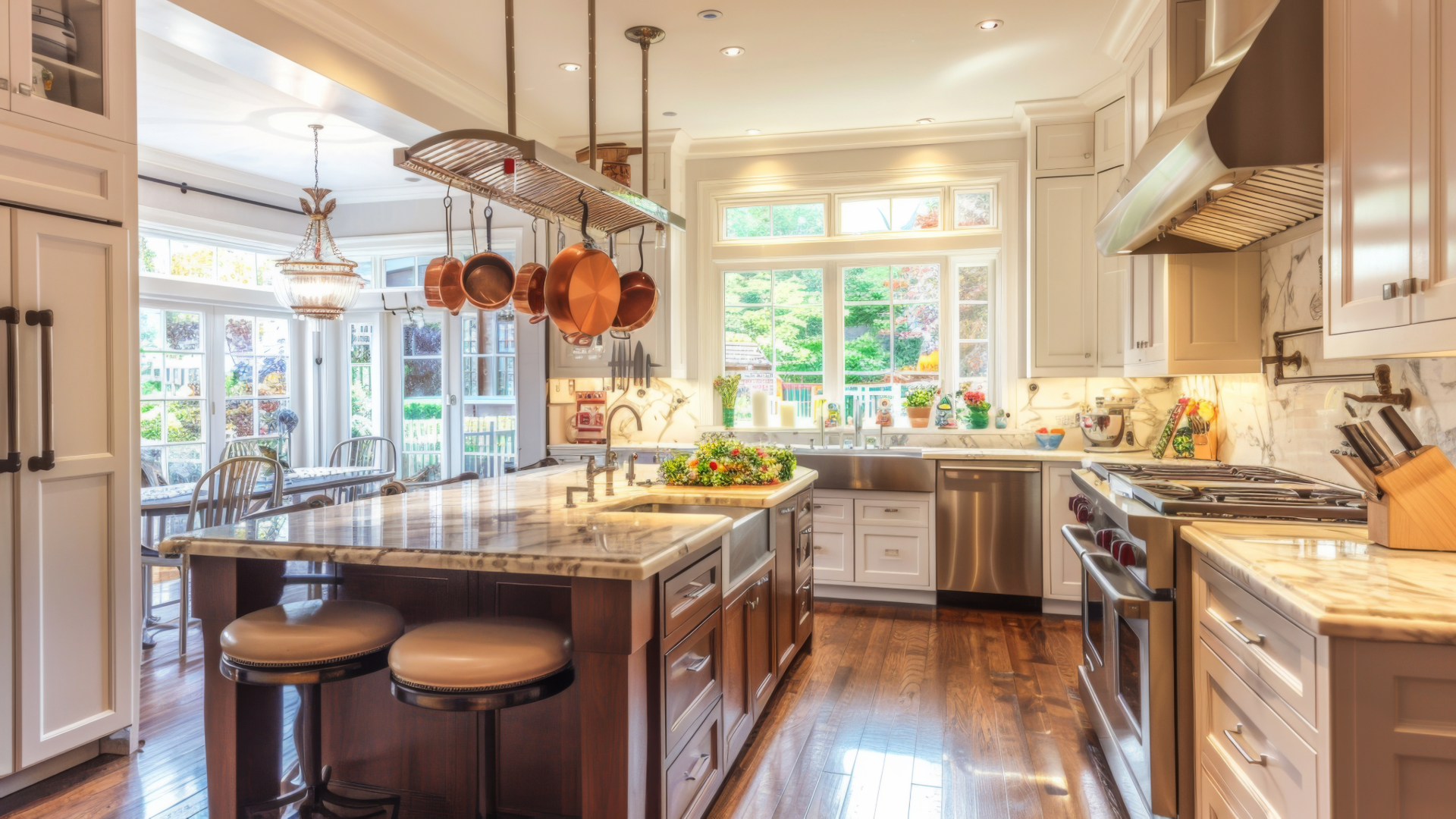
If you are planning a kitchen update, you do not need to abandon white cabinets.
Instead, consider how to build around them.
Think about:
Introducing warmth through wood or texture
Layering materials for depth
Choosing finishes that feel cohesive, not high-contrast
Small shifts in these areas can completely change how your kitchen looks and feels.
Designing a Kitchen That Lasts
Trends will always evolve, but the goal of good cabinetry design stays the same.
A well-designed kitchen should feel timeless, functional, and connected to the rest of your home.
At Hester Family Millwork, we help homeowners create cabinetry that reflects their style while ensuring it will continue to feel right for years to come.
& bring the next chapter of cabinetry design into your home.