

How Designers Are Blending Woods, Paint, and Texture in 2026
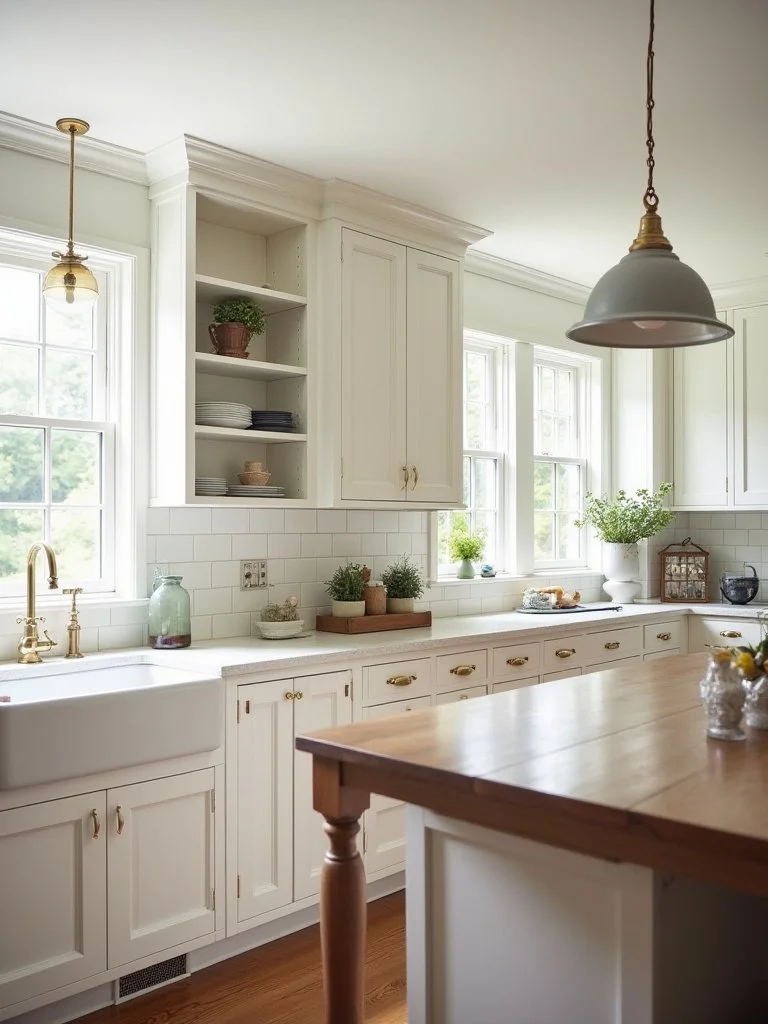
Blending painted cabinetry with warm wood creates a kitchen that feels layered, grounded, and timeless rather than overly matched.
Image credit: DecorCrowd
For a long time, kitchens followed one quiet rule: everything should match.
Same cabinet color. Same finish. Same tone, wall to wall.
That rule is officially gone.
In 2026, designers are doing something far more thoughtful. They are blending painted cabinetry, natural woods, and tactile textures to create spaces that feel layered, intentional, and lived in, not showroom perfect.
This is not about being bold for the sake of trends. It is about balance, function, and longevity.
Let me explain it simply.
Why Matching Kitchens Fell Out of Favor
Perfectly uniform kitchens photograph well, but they do not always live well.
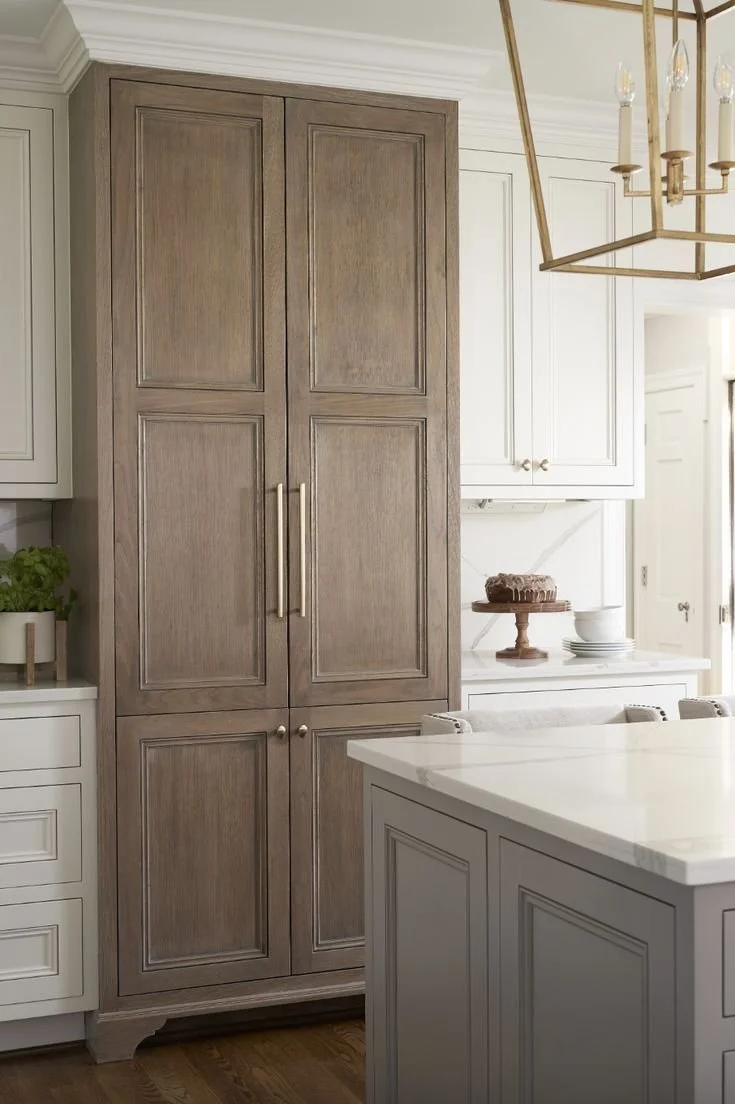
Using wood for tall pantry cabinetry adds visual weight and permanence, allowing painted cabinets to support the space without overpowering it. Image credit: DecorCrowd
As open floor plans became the norm, kitchens stopped being closed rooms and started acting as visual anchors for entire homes. Designers began noticing something important.
When everything matches exactly, the space can feel flat.
According to the National Kitchen and Bath Association’s 2025 and 2026 trend reports, homeowners are prioritizing warmth, contrast, and personalization over uniform finishes, especially in open concept homes.
Blending finishes allows the eye to move naturally through a space. It also helps kitchens feel connected to adjacent living areas rather than standing apart.
The Role of Wood in 2026 Kitchens
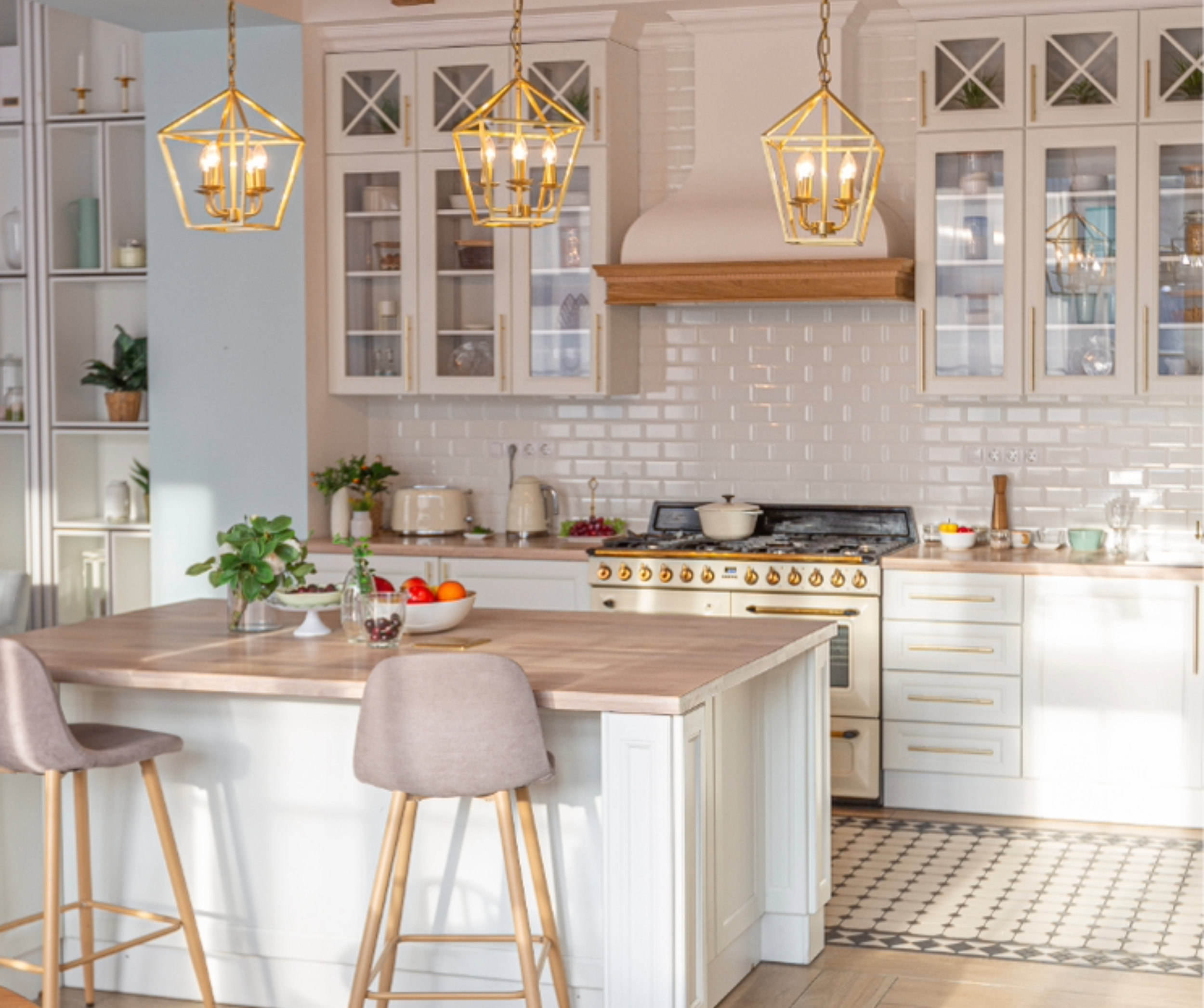
Painted cabinetry acts as the supporting layer in a mixed-finish kitchen, providing lightness and cohesion while allowing wood and texture to add depth.
Source: Hester Family Millwork
Wood is not new. What is new is how it is being used.
Designers are no longer treating wood cabinetry as the entire kitchen. Instead, wood is used strategically to ground the space.
Common placements include:
Kitchen islands
Tall pantry cabinets
Built ins or coffee stations
Open shelving accents
Warm woods like white oak, rift sawn oak, walnut, and alder continue to dominate because they age gracefully and work across design styles.
Industry insight from the Architectural Digest 2025 Kitchens forecast confirms that natural wood tones are being favored for their ability to soften modern spaces and add visual depth.
Think of wood as the anchor. It brings warmth and permanence.
Where Painted Cabinetry Still Matters
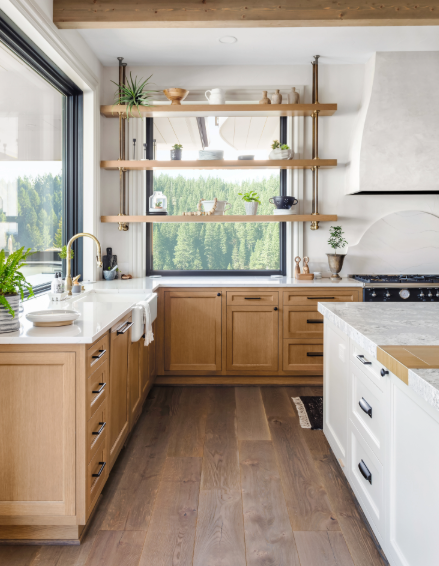
A well-balanced kitchen uses mixed finishes with intention, allowing wood, paint, and texture to work together without overwhelming the space.
Source: Hester Family Millwork
Painted cabinets are not going anywhere. They are simply being used more intentionally.
Instead of coating the entire kitchen in one color, designers are using paint to define zones.
For example:
Painted perimeter cabinets paired with a wood island
Painted uppers with wood lowers
Painted cabinetry in secondary areas like mudrooms or pantries
Colors are trending toward muted, complex tones rather than bright whites or stark grays. Soft taupes, warm greiges, muted greens, and clay influenced neutrals are leading the way.
Sherwin Williams and Benjamin Moore’s 2026 color forecasts both emphasize warm neutrals and nature based hues as long term, livable choices.
Paint becomes the supporting layer. It provides calm and cohesion.
Why Texture Is the Quiet Power Move
Texture is where kitchens are becoming more tactile and interesting without feeling trendy.
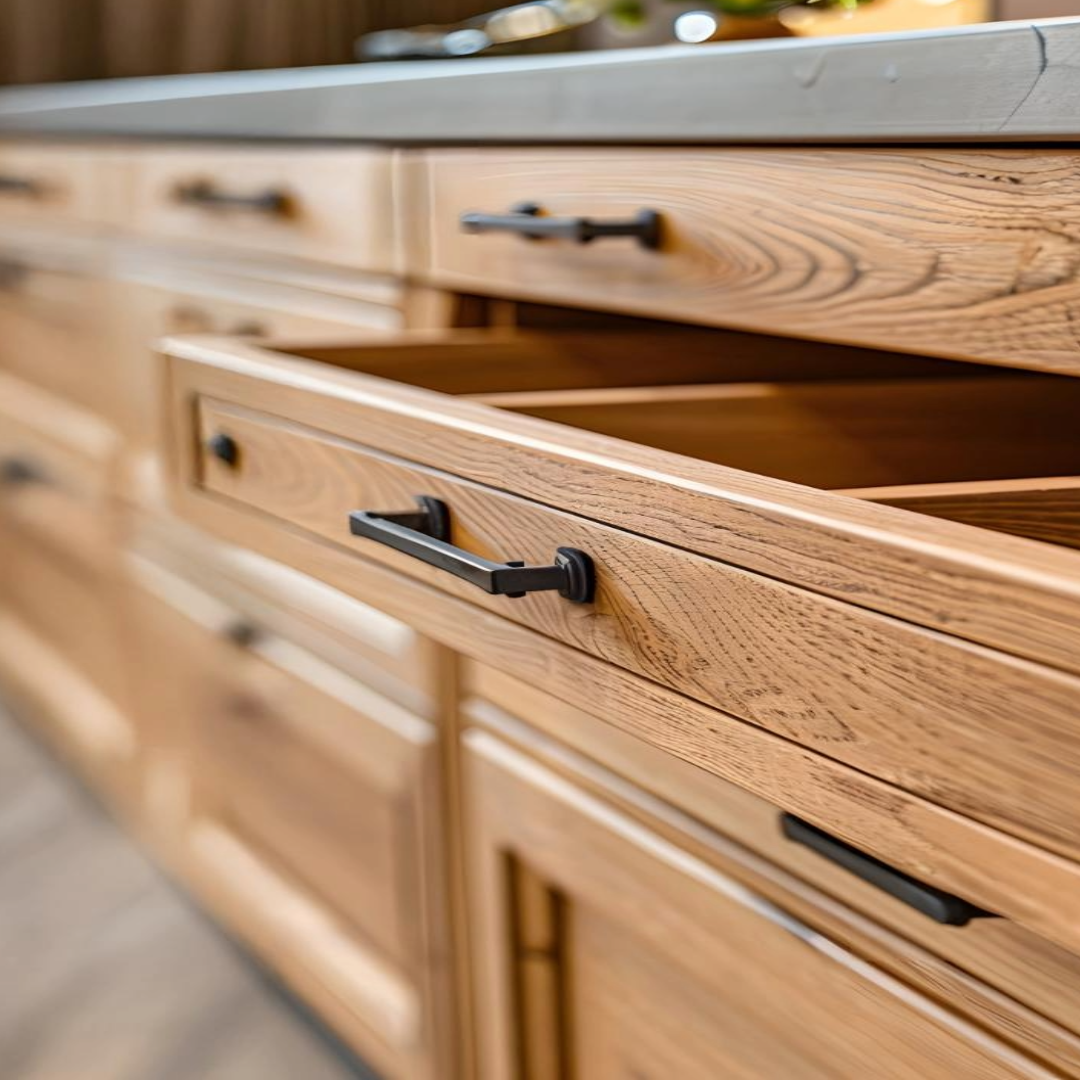
Texture adds depth that paint alone cannot. Subtle wood grain and matte finishes bring warmth, durability, and a sense of craftsmanship to cabinetry.
Source: Hester Family Millwork
This includes:
Subtle wood grain variation
Light wire brushed or cerused finishes
Reeded or fluted cabinet panels
Matte finishes instead of high gloss
According to Houzz’s 2025 Kitchen Trends Study, homeowners are gravitating toward finishes that show character and craftsmanship rather than perfectly smooth, factory flat surfaces. Source: Houzz Kitchen Trends Study.
Texture helps cabinetry feel human. It also hides wear better over time, which matters in real family homes.
This is especially important for homeowners who want a kitchen that still looks good ten years from now.
How Designers Keep Mixed Finishes From Feeling Busy
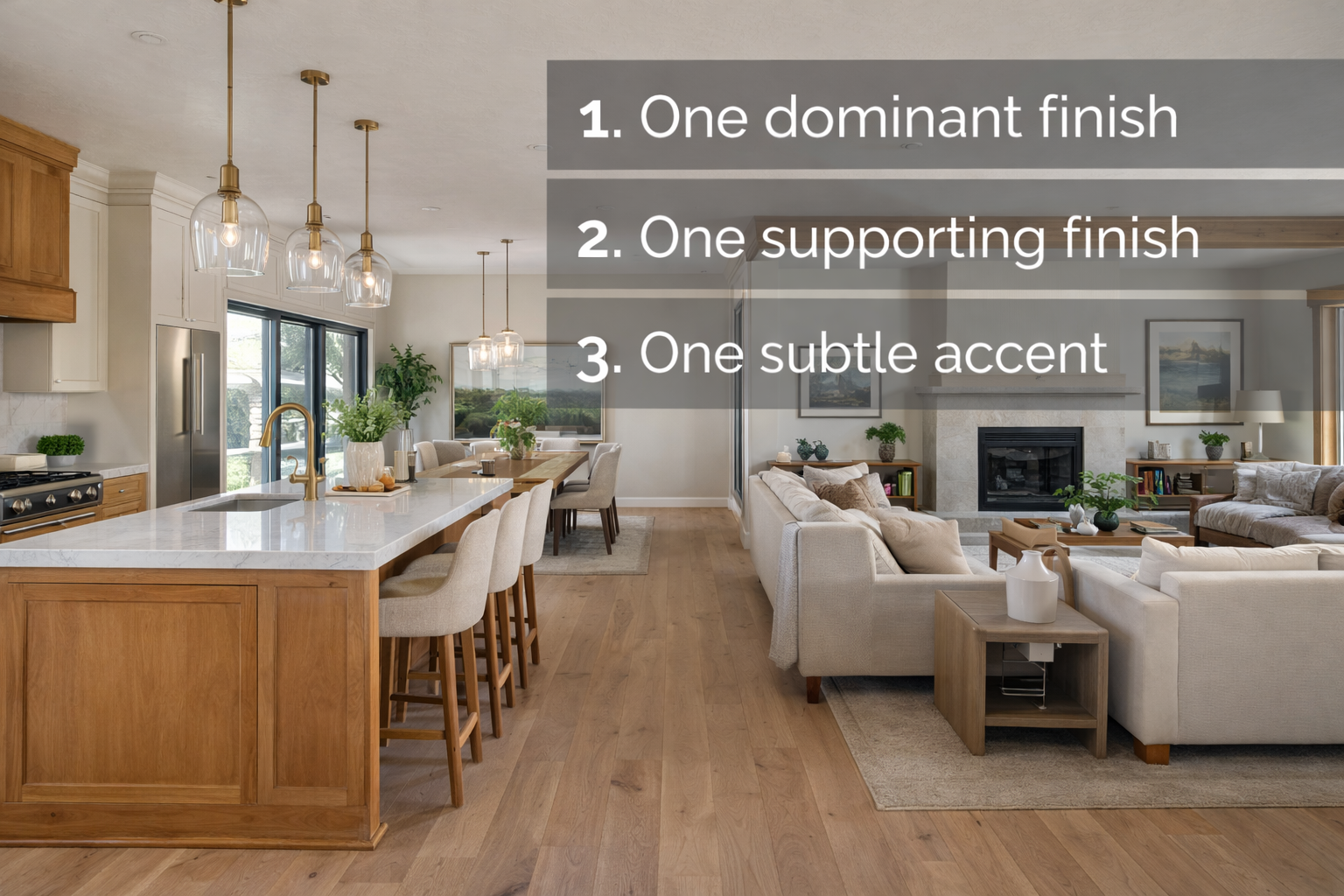
Open concept kitchen and living space showcasing balanced cabinetry design with one dominant wood finish, one supporting painted finish, and subtle brass accents for a cohesive, timeless interior. Credit: Hester Family Millwork
Here is where experience matters.
Blending woods, paint, and texture only works when there is a clear hierarchy.
Designers typically follow three simple rules:
One dominant finish
One supporting finish
One subtle accent
That is it.
Too many competing materials create visual noise. A restrained palette creates sophistication.
This approach aligns with long standing interior design principles taught through organizations like the American Society of Interior Designers, which emphasize balance, rhythm, and visual weight.
Why This Matters for Homeowners Long Term
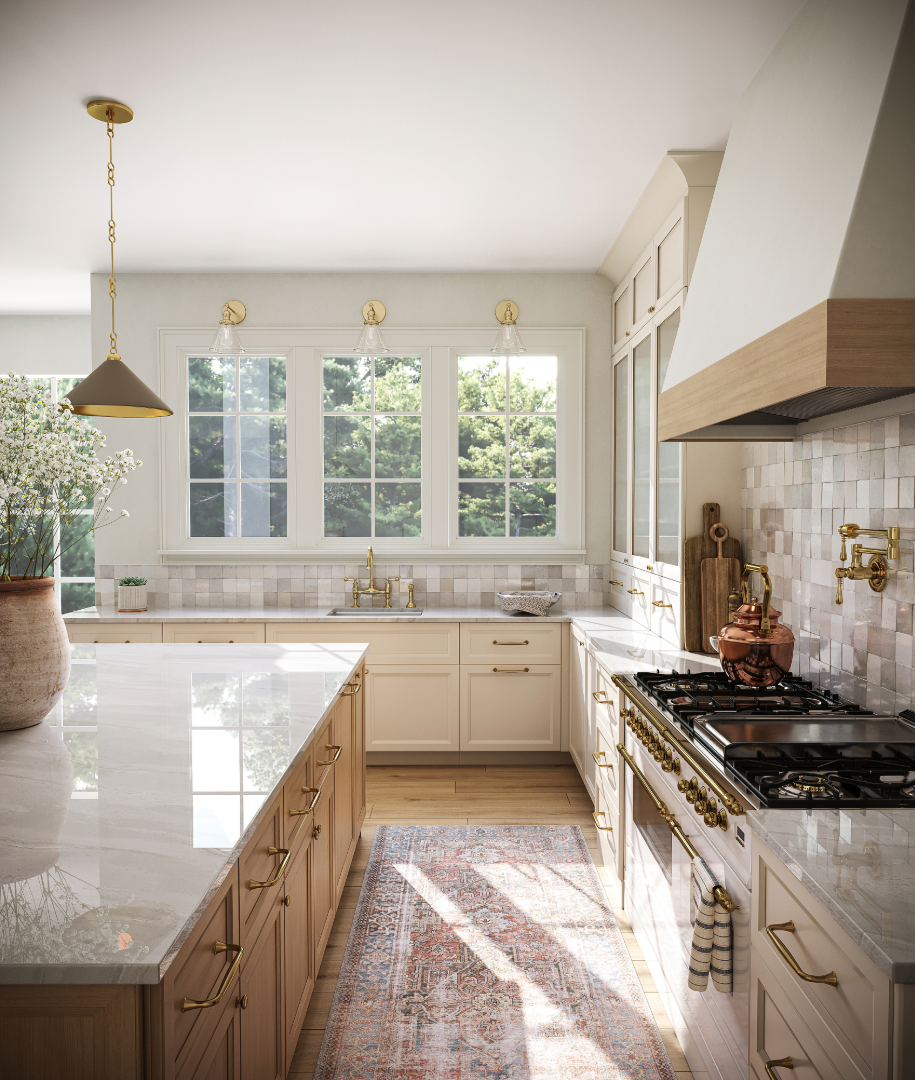
Thoughtfully layered cabinetry creates kitchens that feel warm, functional, and enduring, spaces homeowners can enjoy for years without feeling dated. Source: Hester Family Millwork
From a resale and lifestyle standpoint, blended cabinetry performs better than trend heavy kitchens.
Buyers respond positively to spaces that feel layered and intentional, but not extreme. Real estate and design marketing research consistently shows that warmth and balance photograph better, feel more inviting, and appeal to broader audiences.
Blended cabinetry also allows future updates to happen more easily. Changing hardware or lighting can refresh the space without a full renovation.
The Takeaway
Designers are not blending woods, paint, and texture to be trendy.
They are doing it because it works.
It creates kitchens that feel grounded, welcoming, and timeless. Spaces that support daily life and still feel special years later.
At Hester Family Millwork, this layered approach guides every design conversation. It is not about chasing what is new. It is about choosing what will still feel right long after the dust settles.
If you are planning cabinetry and feeling overwhelmed, start here. Think in layers, not finishes.
And let experience do the heavy lifting.
& bring the next chapter of cabinetry design into your home.