


Why Designers Are Choosing Integrated Cabinetry That Blends Into the Home
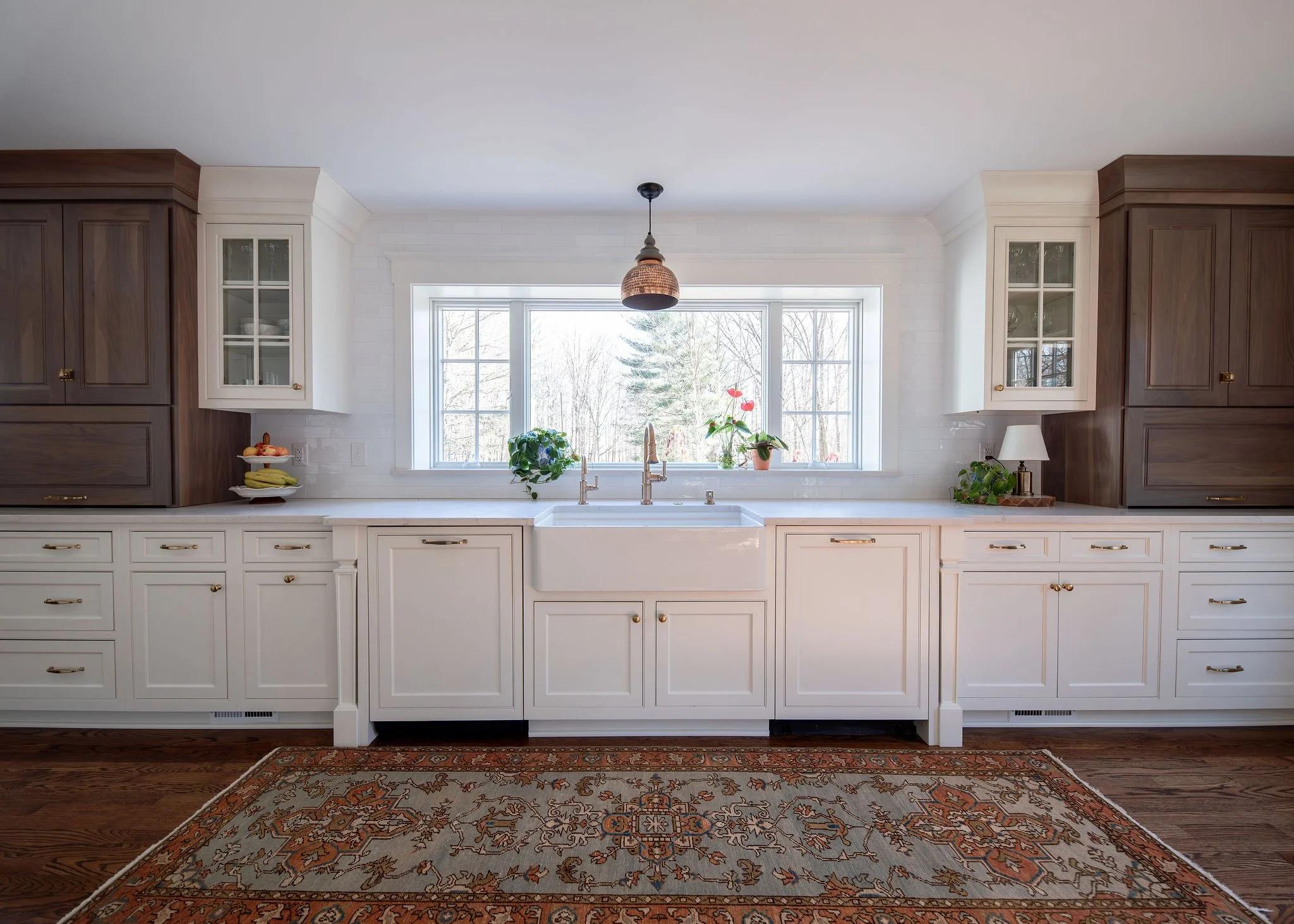
Integrated cabinetry creates a cohesive kitchen by blending storage seamlessly into the surrounding architecture. Credit: Lindsey Putzier Design
Walk into the most thoughtfully designed homes today and you may not immediately notice the cabinetry. That is not an accident. Designers are increasingly choosing integrated cabinetry that blends seamlessly into the architecture of the home, creating spaces that feel calm, intentional, and enduring.
This shift is not about hiding cabinets. It is about designing cabinetry that supports how a home feels and functions, rather than competing for attention.
As cabinetry specialists working closely with homeowners and designers across North Georgia, we see this approach becoming the new standard for kitchens, baths, and built-ins alike.
The Problem With Standalone Cabinetry
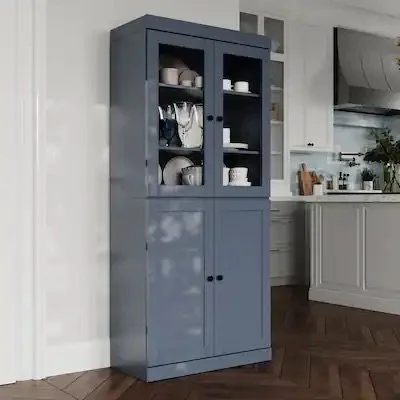
Freestanding cabinetry can add storage, but it often reads as separate from the surrounding architecture. Credit: Overstock
The most beautiful cabinetry does not feel added on. It feels like it belongs.
For years, cabinetry was designed to stand out, treated as furniture placed inside a room. Bold finishes and high contrast details created visual impact, but in open floor plans, that impact often becomes visual noise.
Many homeowners describe their spaces as busy rather than beautiful. The problem is rarely craftsmanship or materials. It is a lack of cohesion.
Integrated cabinetry changes that. By designing storage as part of the home’s architecture, cabinetry supports the space instead of competing with it.
What Integrated Cabinetry Actually Means
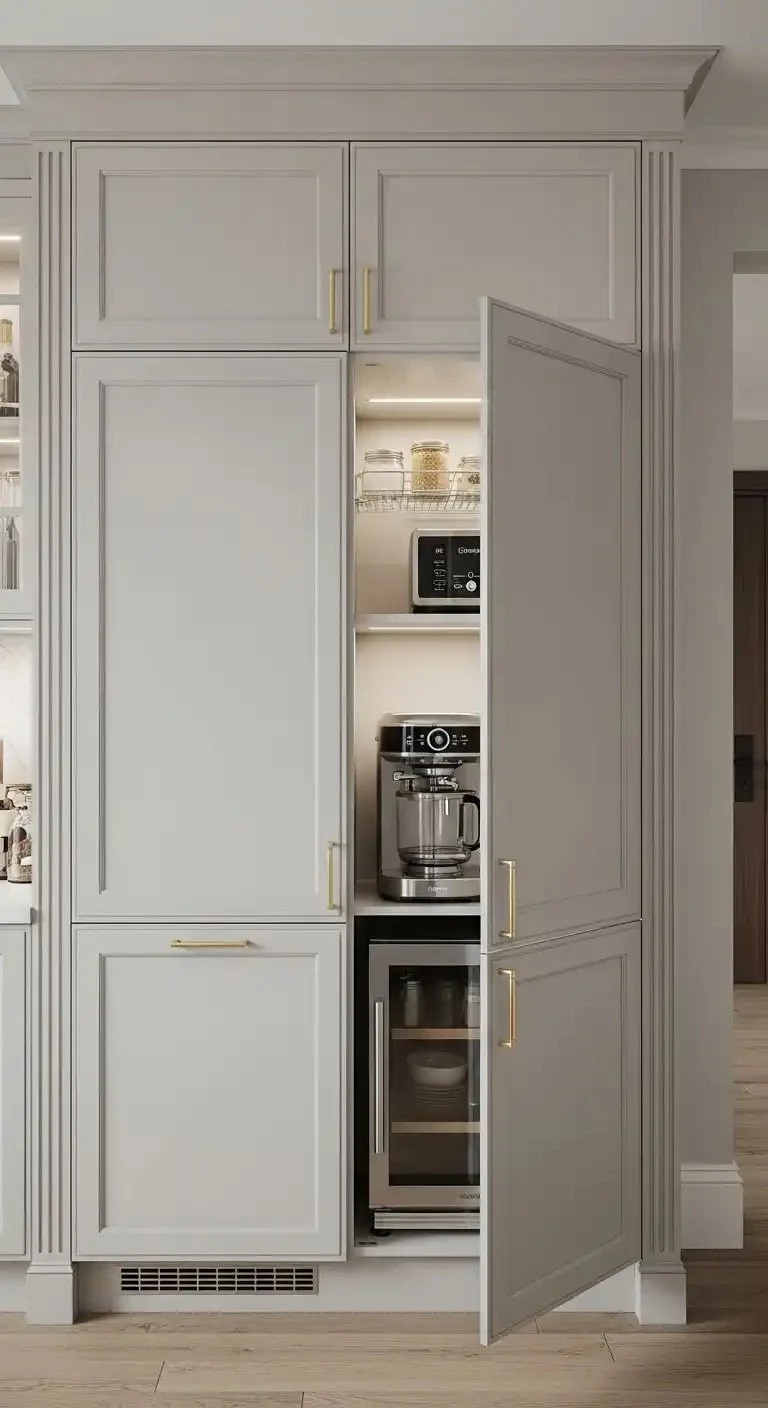
Integrated cabinetry creates a clean, cohesive kitchen by concealing everyday appliances. Image credit: Cookwarely
Integrated cabinetry does not mean modern or minimal by default. It means cabinetry is designed with the home’s proportions, sightlines, and materials in mind.
This often includes:
Full height cabinetry that aligns with ceilings and walls
Appliance panels that visually disappear
Consistent finishes that echo flooring or millwork
Built-ins that read as architectural elements rather than add-ons
The result is a space that feels composed and grounded, even when rich materials are used.
Why Designers Are Prioritizing This Approach
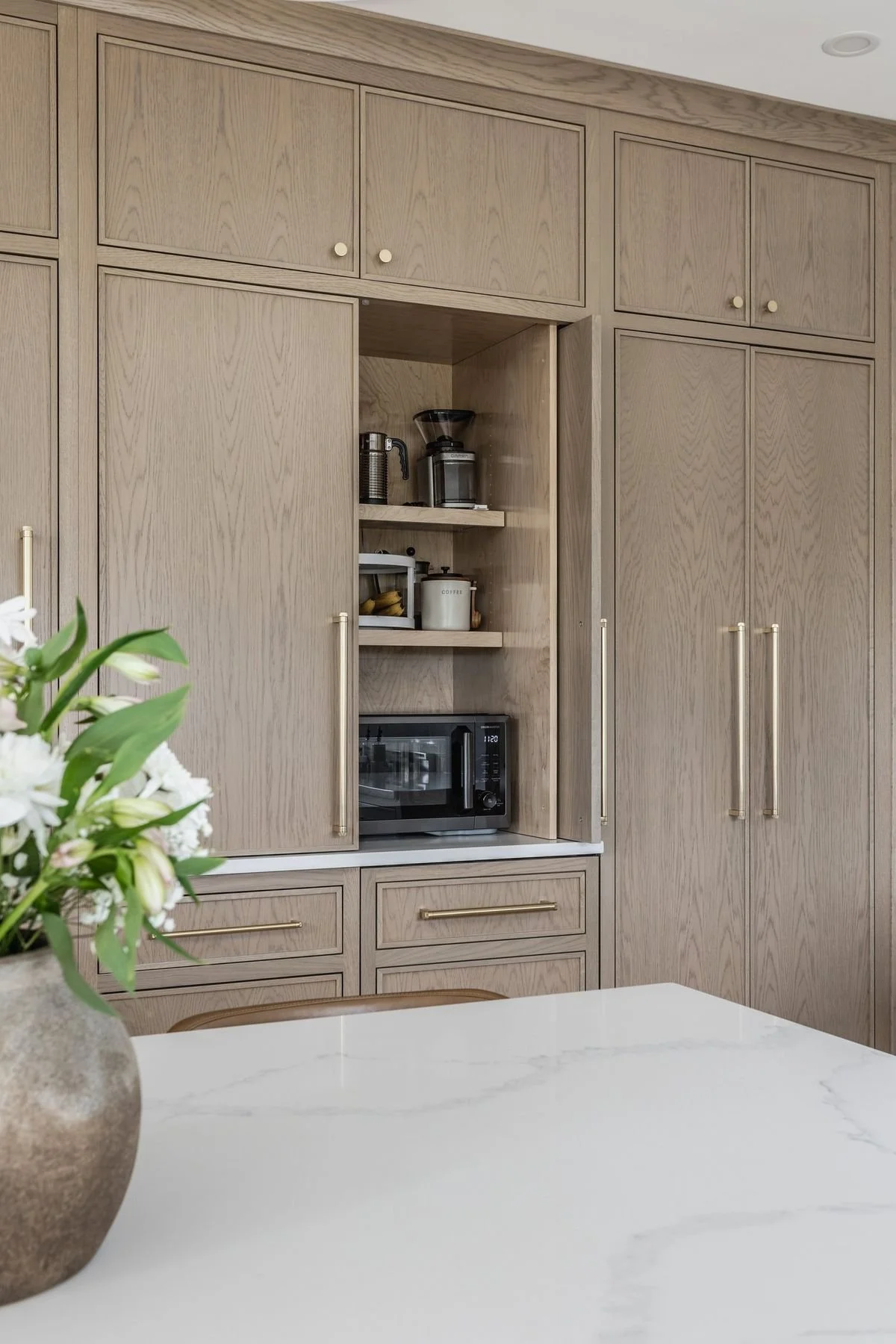
Designers are choosing integrated cabinetry for one primary reason: it creates longevity.
Trends move quickly, but architectural harmony does not. When cabinetry feels like it belongs to the home itself, it ages gracefully as other elements change.
Integrated cabinetry also allows designers to introduce warmth and texture without clutter. Wood grain, subtle paint tones, and refined profiles become part of a larger visual story instead of isolated statements.
This is especially important in kitchens, where cabinetry occupies the largest visual footprint in the room.
The Homeowner Benefit Most People Miss
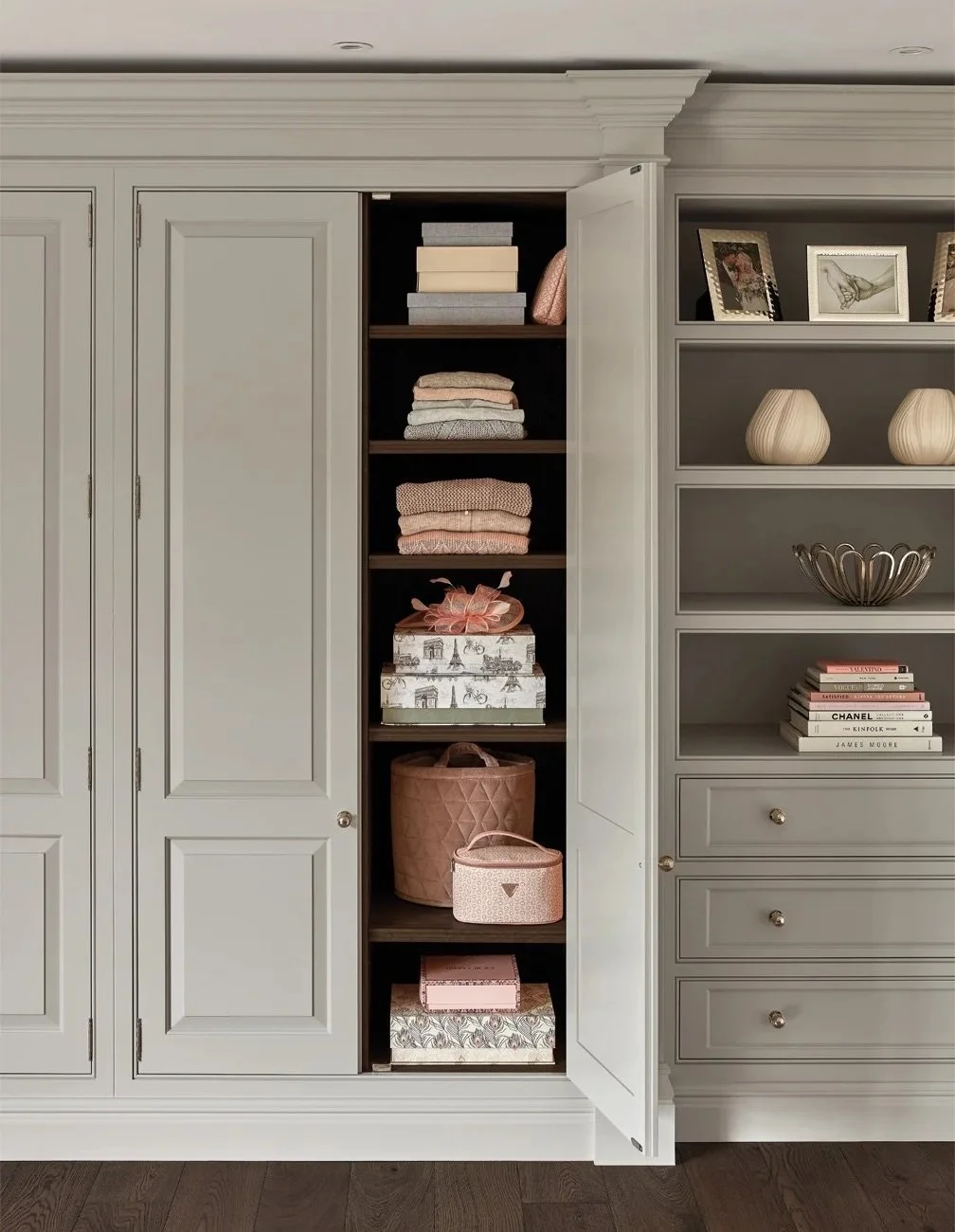
Integrated built-in cabinetry provides concealed storage while maintaining a seamless architectural design. Credit Tom Howley Design
Beyond aesthetics, integrated cabinetry reduces decision fatigue.
Instead of choosing every cabinet as a standalone piece, homeowners make fewer but more meaningful decisions. The focus shifts to layout, function, and flow rather than chasing visual impact.
This often leads to:
• More usable storage
• Cleaner sightlines
• Less visual noise
• A home that feels calmer day to day
Integrated cabinetry also supports future flexibility. When cabinetry is neutral and architectural, changing lighting, furniture, or decor feels effortless.
Where Integrated Cabinetry Works Best
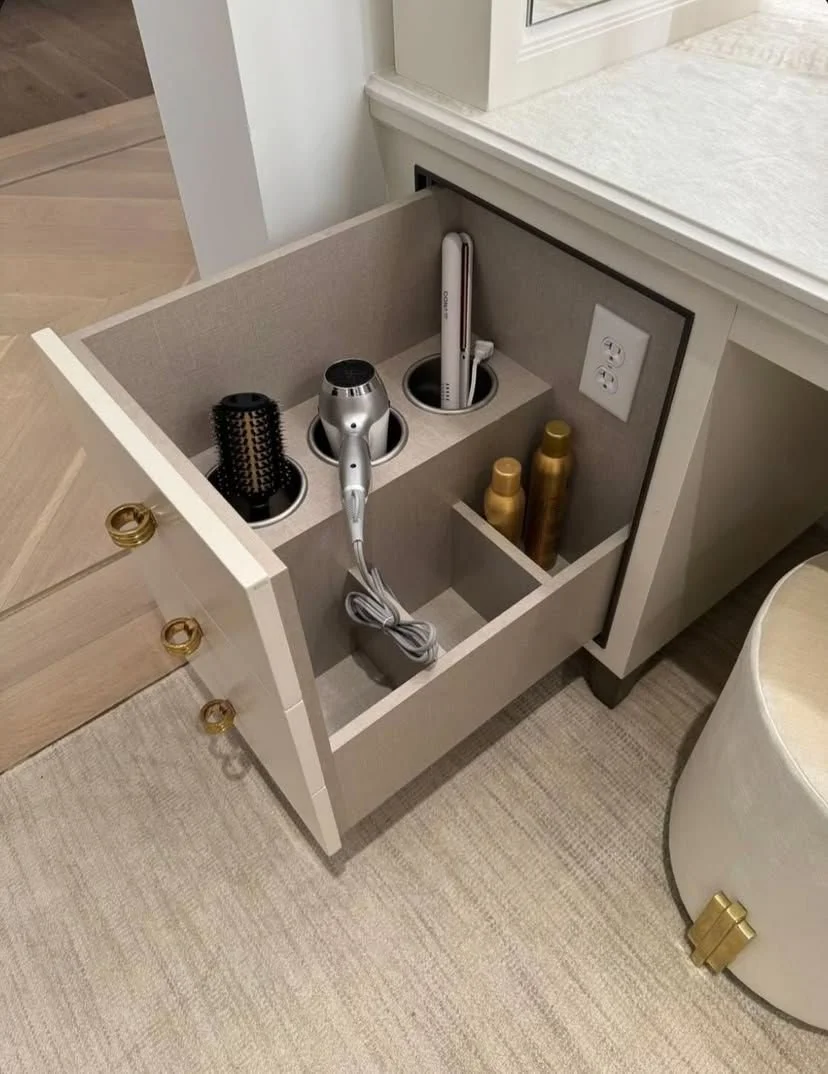
Integrated drawer storage keeps everyday tools organized while maintaining a seamless vanity design.
While kitchens lead the trend, designers are extending this approach throughout the home.
We are seeing integrated cabinetry specified in:
Bathrooms, where vanities blend into wall treatments
Mudrooms, where storage feels built in rather than bulky
Living spaces, where cabinetry replaces traditional furniture
Hallways and transitional areas that benefit from quiet function
This creates a consistent design language across the home, something homeowners increasingly value.
The Role of Craftsmanship
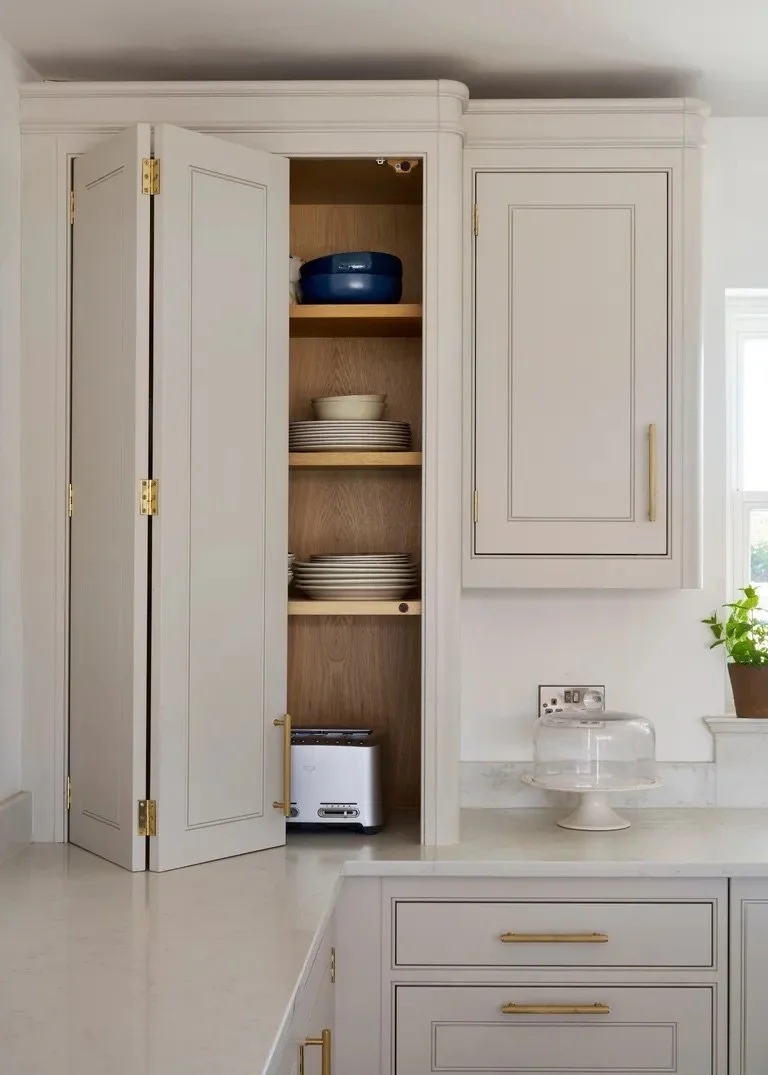
Integrated corner cabinetry keeps everyday storage accessible while maintaining a seamless, architectural look. Credit: Davenport
Integrated cabinetry demands precision. Tight reveals, consistent grain alignment, and proper installation matter more when cabinetry is meant to disappear into the architecture.
This is where professional planning makes the difference. Poorly executed integrated cabinetry draws attention for the wrong reasons. Well executed cabinetry quietly supports the space.
Designers trust partners who understand not just design intent, but construction realities.
Designing With the Long View in Mind
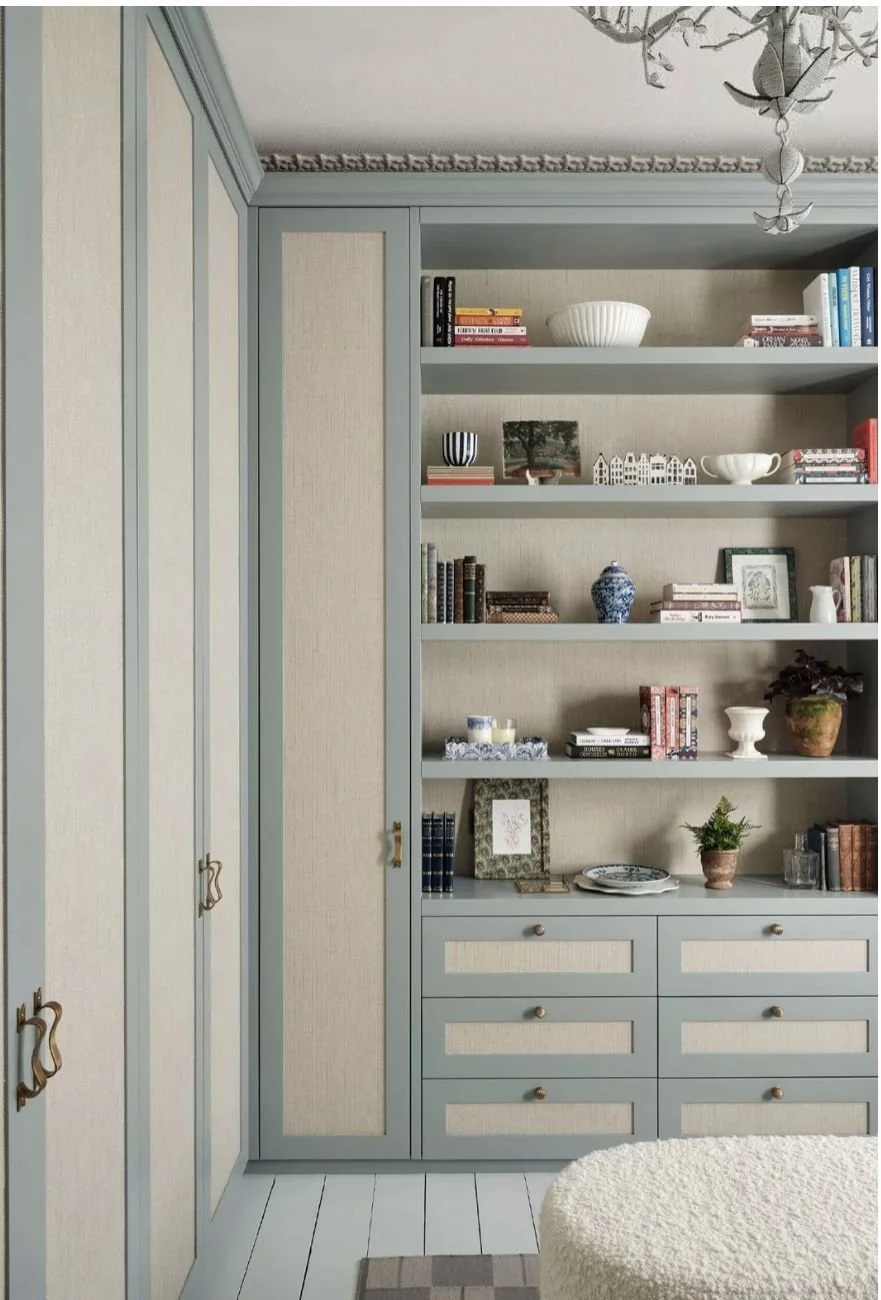
Integrated built-in cabinetry blends shelving, storage, and millwork into a seamless architectural feature. Credit: Angela Thompson
The move toward integrated cabinetry reflects a broader shift in how people want their homes to feel. Calm. Cohesive. Lived in, not staged.
Instead of asking, “What looks impressive right now?” designers and homeowners are asking, “What will still feel right years from now?”
Cabinetry that blends into the home answers that question beautifully.
If you are planning a cabinetry project and want guidance on creating a space that feels intentional, balanced, and built to last, our team works closely with homeowners and design professionals to plan cabinetry that truly belongs.
& bring the next chapter of cabinetry design into your home.