
Why Some Kitchens Feel So Put Together (And How to Design Yours That Way)
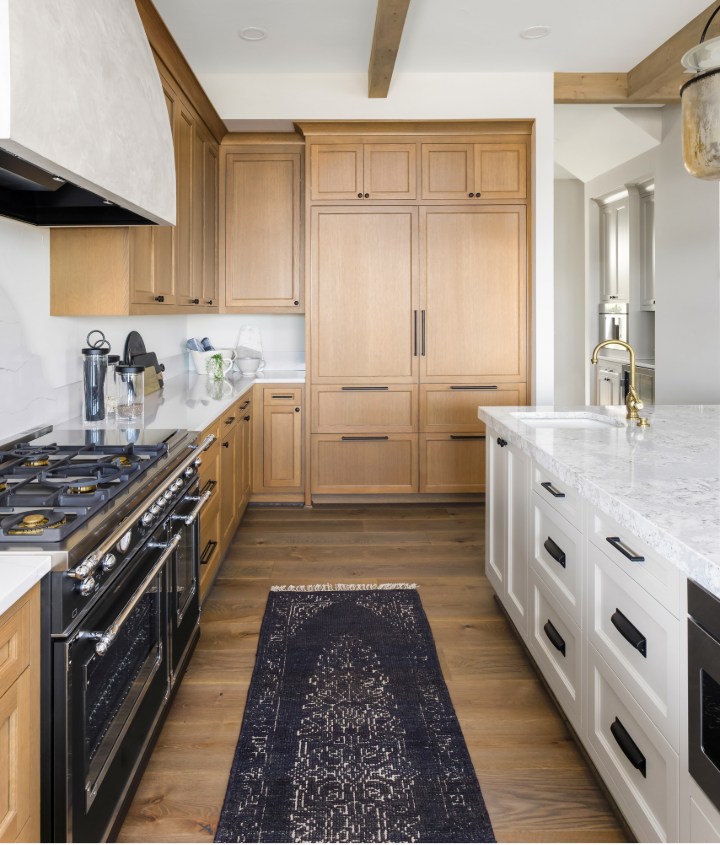
Over the years, I have walked into a lot of kitchens across Gainesville, Flowery Branch, and the surrounding North Georgia area. Some look beautiful right away. Others should, on paper, but something still feels slightly off.
And then there are the kitchens that feel settled, intentional, and complete. The kind of space where everything works together, where the layout, cabinetry, and finishes feel balanced without trying too hard.
It has very little to do with size or budget. I have seen smaller kitchen remodels feel far more put together than larger, high-end renovations filled with upgrades.
When a kitchen does not feel quite right, it is rarely one wrong decision.
What I see more often is this, every choice was made separately.
And over time, those decisions stop working together and start competing for attention.
The Real Problem: Designing Piece by Piece
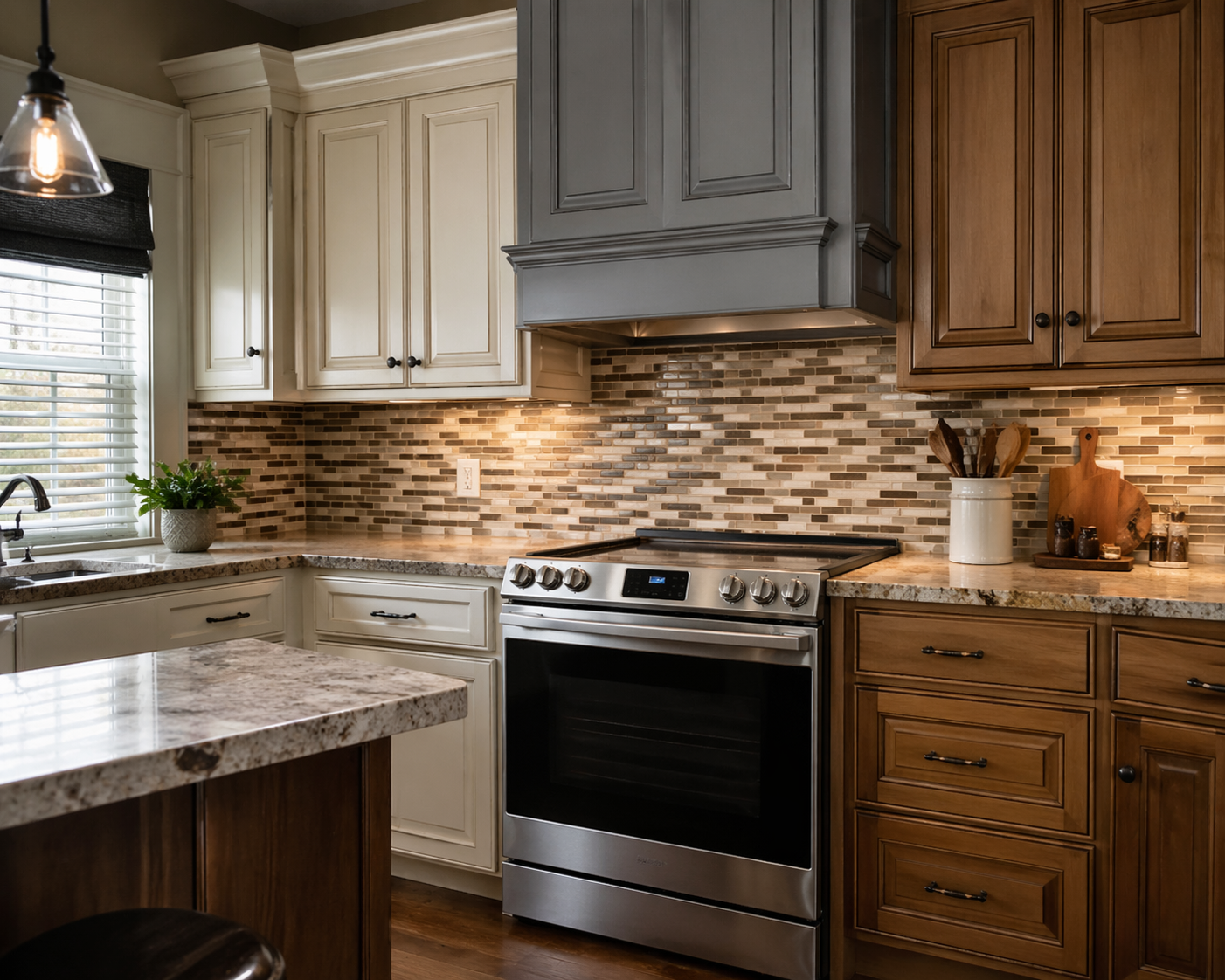
This is something I see often. Most kitchens are built one decision at a time, cabinets, then countertops, then backsplash, then lighting, then hardware. It feels logical in the moment.
And to be fair, each choice can be beautiful on its own.
But without a clear direction tying everything together, the space starts to lose cohesion.
You may not be able to name exactly what feels off, but you notice it. The room does not quite settle.
That is the difference I pay attention to, a kitchen that simply looks finished, and one that feels complete the moment you step into it.
It Starts with a Clear Direction, Not a Single Feature
This is where everything begins to shift.
The kitchens that feel the most refined are not built around one standout feature. It is not just the island, the backsplash, or even the custom cabinets that define the space.
It is the overall design direction.
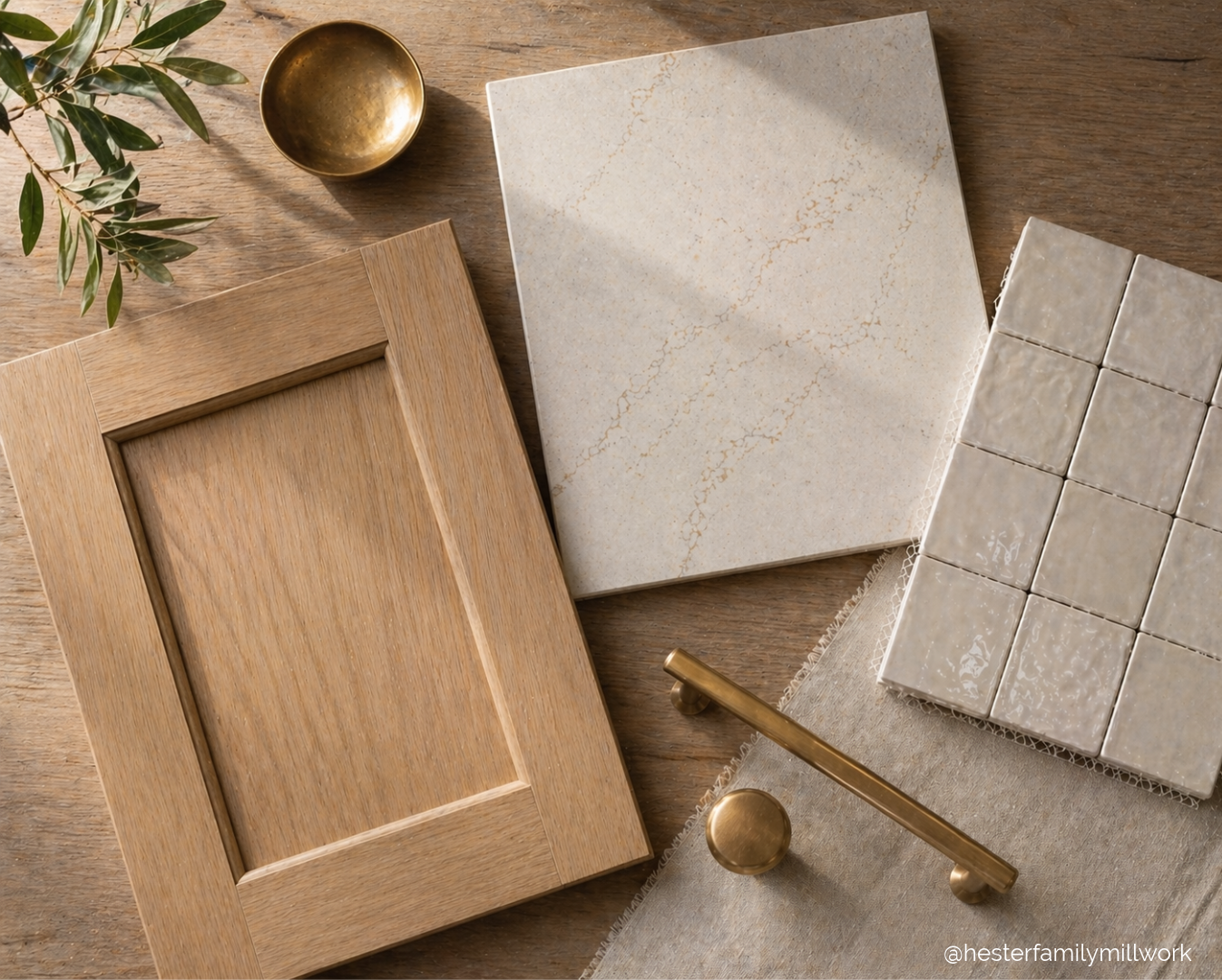
From the beginning, every material, tone, and finish is chosen to work together, from cabinet color and door style to countertop veining and hardware finishes.
I always encourage homeowners to pause before choosing individual pieces and instead think about the full kitchen design, how the cabinetry, layout, and materials should feel as one space. That is exactly how we guide projects through our cabinetry design process.
Once that direction is clear, the rest of the decisions become easier, and the kitchen starts to come together naturally.
Continuity Creates Calm
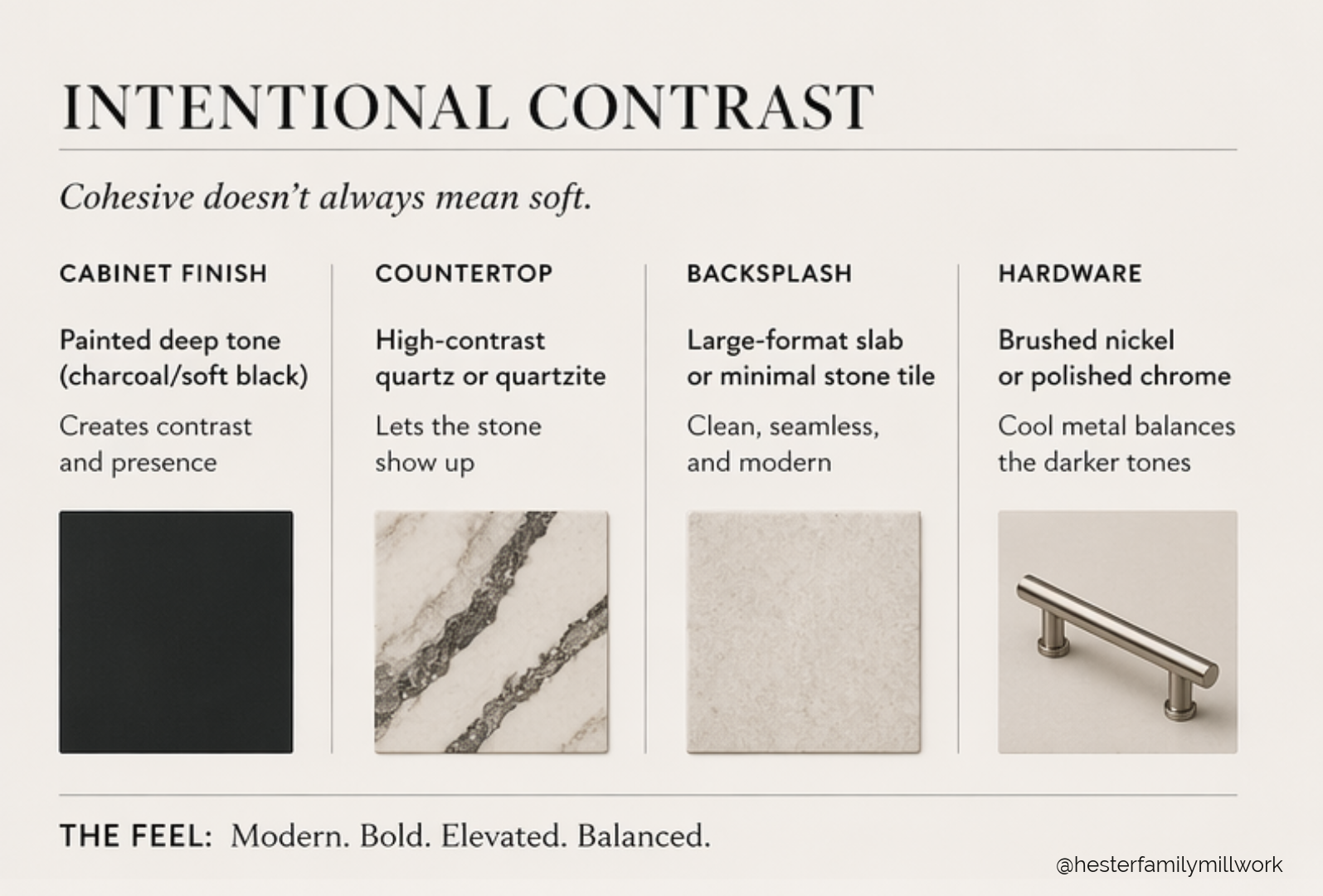
When a kitchen feels calm and put together, there is usually a strong sense of continuity behind it.
It shows up in ways homeowners may not immediately notice, consistent cabinet styles throughout the kitchen, aligned upper and lower cabinets, repeated materials, and finishes that stay within the same color palette.
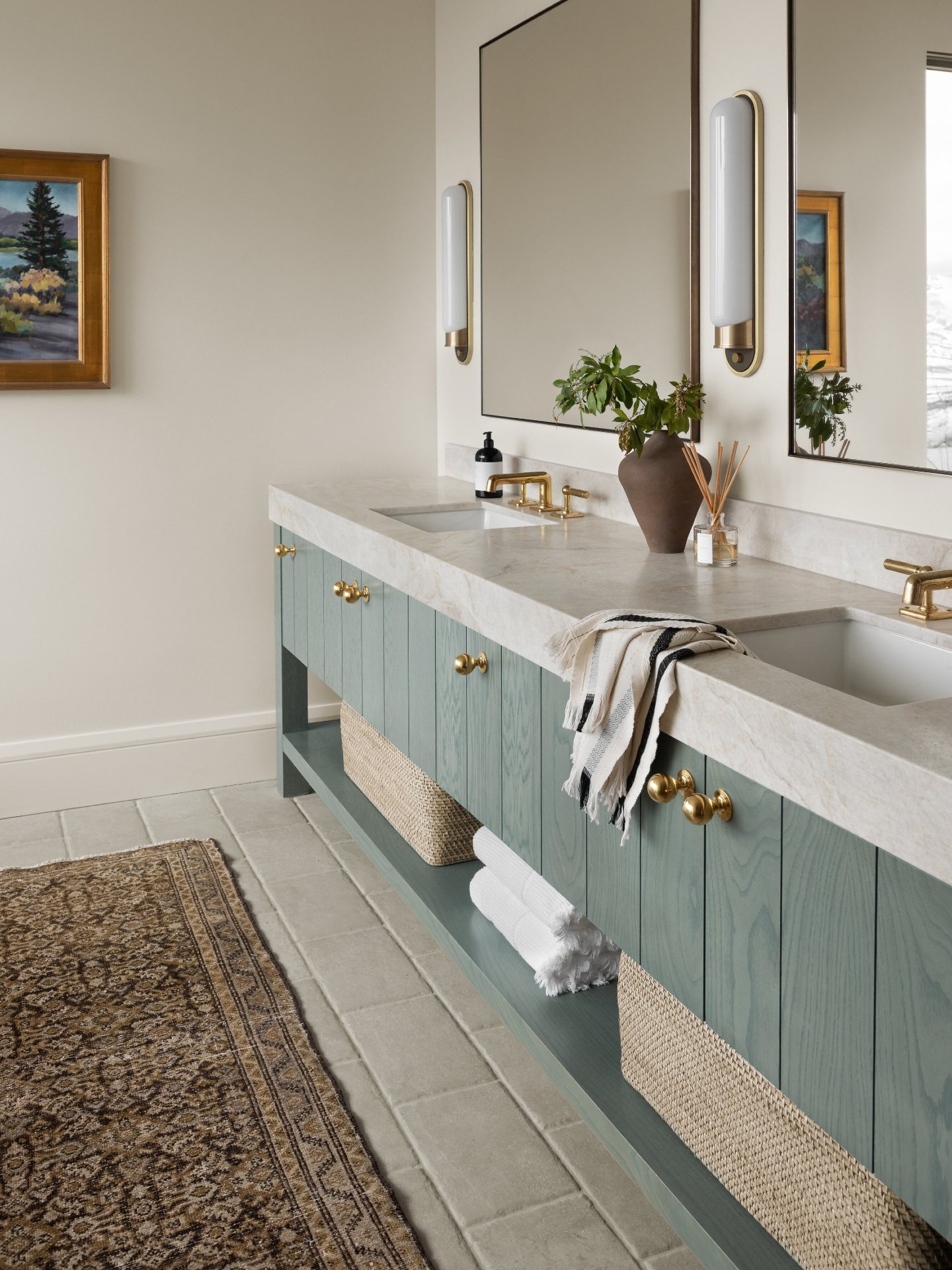
Whether it is a white oak kitchen, warm neutral cabinets, or a painted finish paired with natural wood, the goal is consistency, not contrast for the sake of contrast.
These details reduce visual clutter and create a kitchen that feels clean, cohesive, and easy to live in.
That is what gives a space that calm, high-end feel homeowners are often looking for.
Depth Comes from Materials, Not More Color
This is one of the most common mistakes I see in kitchen remodels.
When a space feels flat, the instinct is to add more color or introduce bold contrast. But more often, that creates visual tension instead of depth.
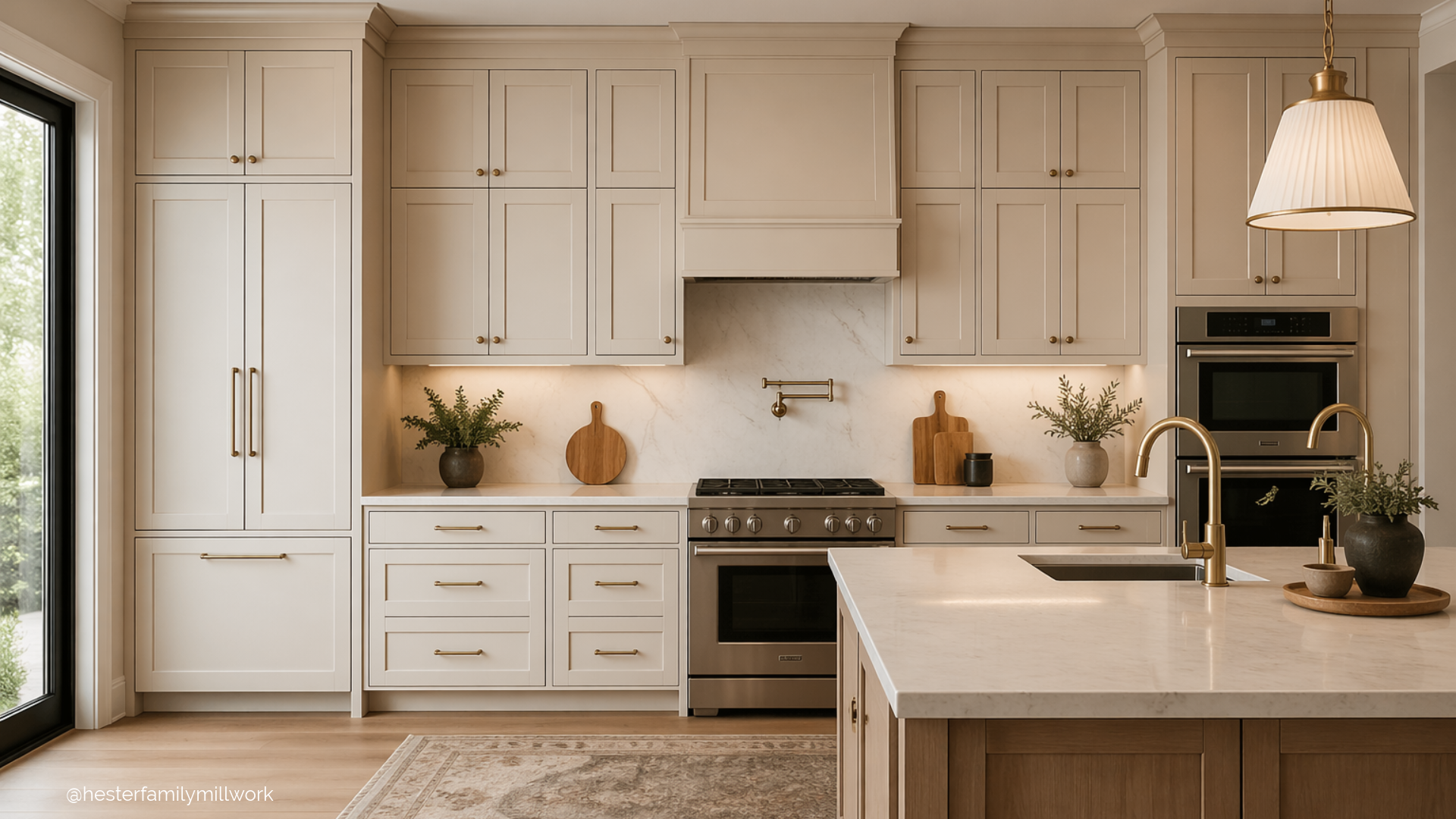
Real depth in kitchen design comes from layering materials.
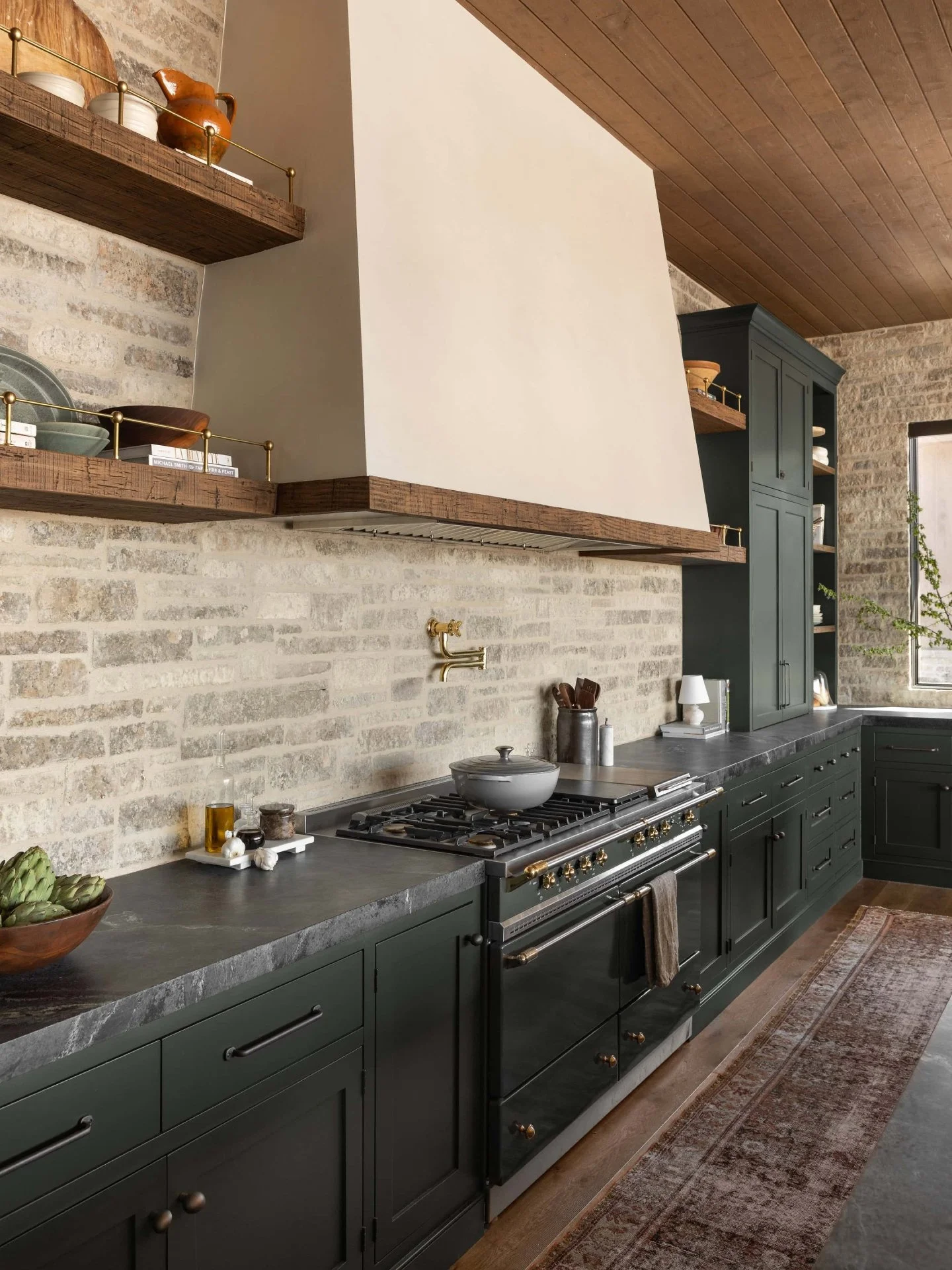
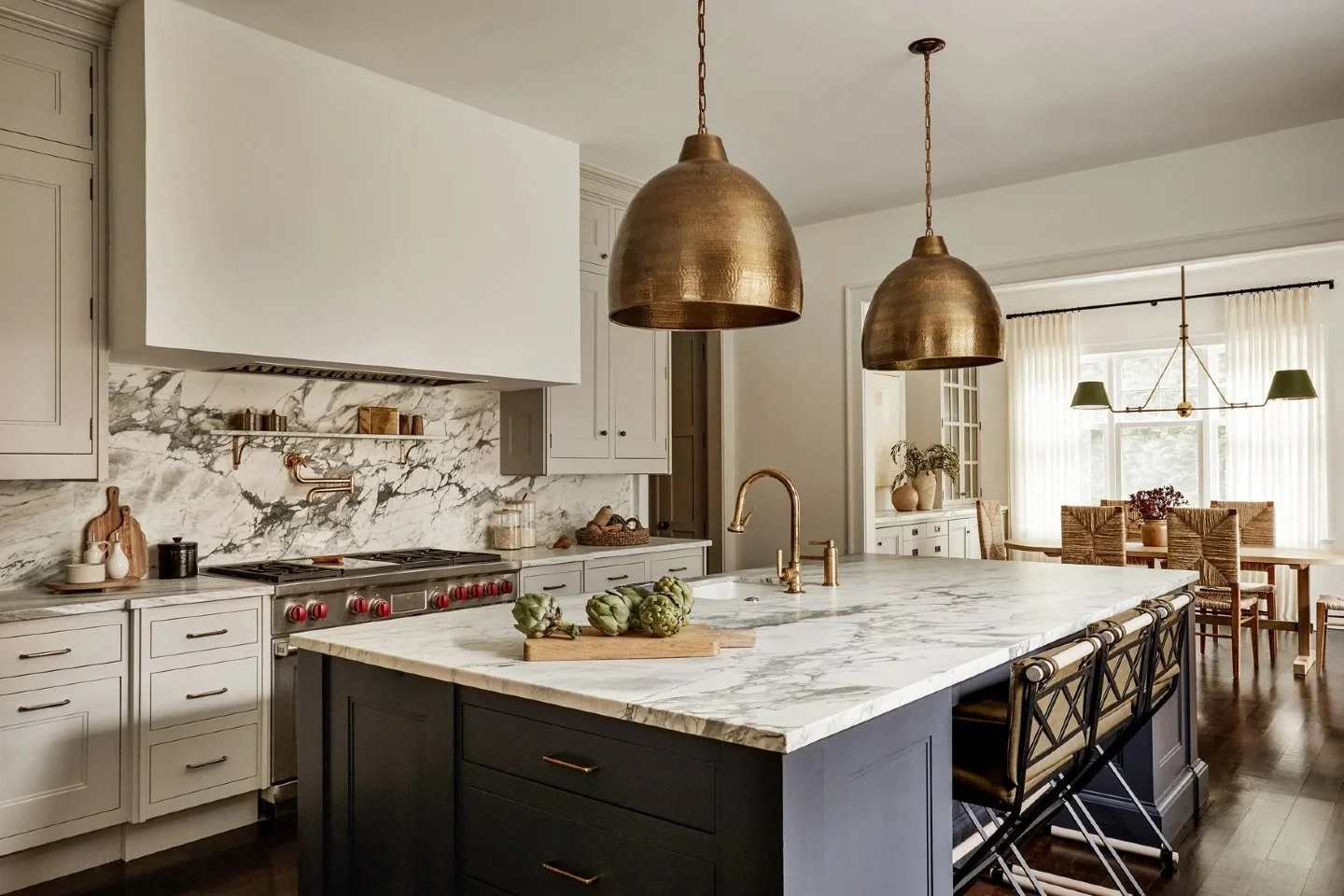
That might mean using a full slab backsplash instead of smaller tile, combining stained wood cabinetry with painted cabinets, or choosing textured finishes that reflect light differently throughout the day.
These are the details that bring warmth and dimension into the space.
Whether you are investing in custom cabinets or exploring semi-custom cabinetry, material selection plays a major role in how your kitchen feels long term.
Done well, these choices create a space that feels rich, balanced, and timeless.
Structure Matters More Than Most People Realize
Some of the most important elements in kitchen cabinet design are also the easiest to overlook.
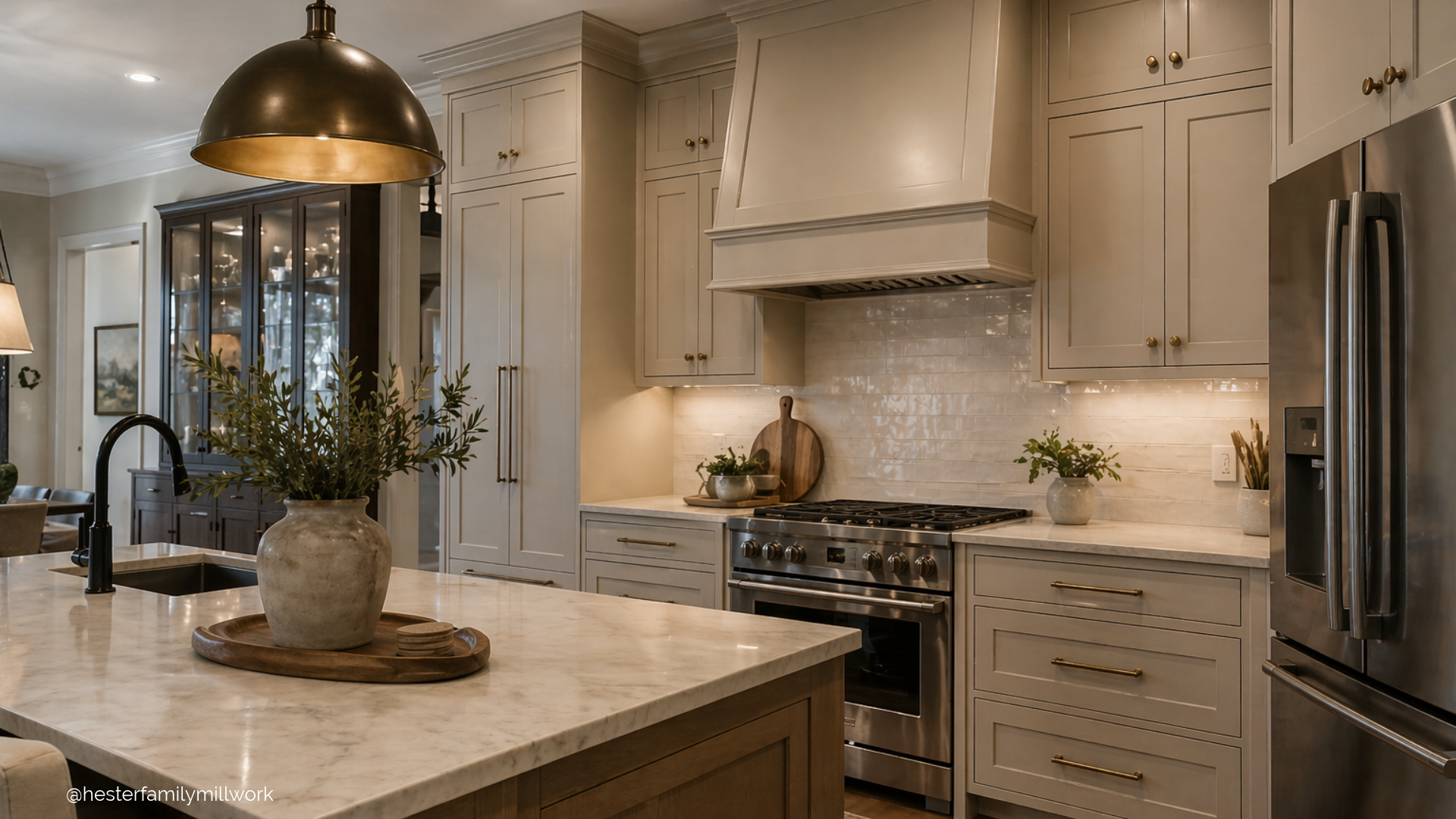
I pay close attention to cabinet height, how cabinets meet the ceiling, the proportion of doors and drawers, and how features like range hoods are built into the overall layout.
These structural details are what make a kitchen feel polished.
Without them, even high-end countertops or custom cabinetry can feel slightly unfinished. But when they are planned correctly from the beginning, everything else falls into place.
It is not always what you notice first, but it is what makes the kitchen feel complete.
The Kitchens That Feel Best Don’t Stop at the Kitchen
One of the biggest differences I see in higher-end homes is this, the kitchen design does not stop at the kitchen.
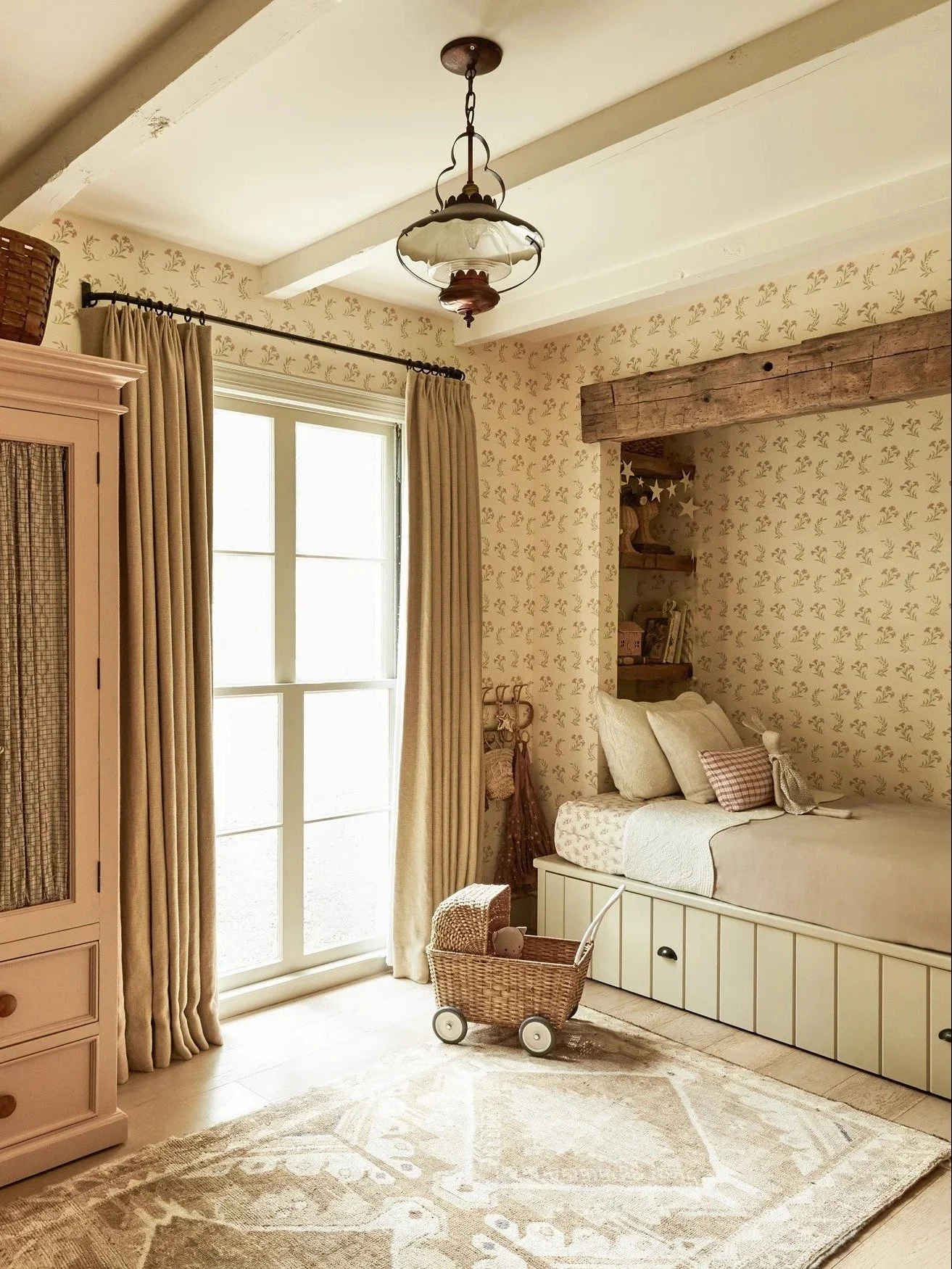
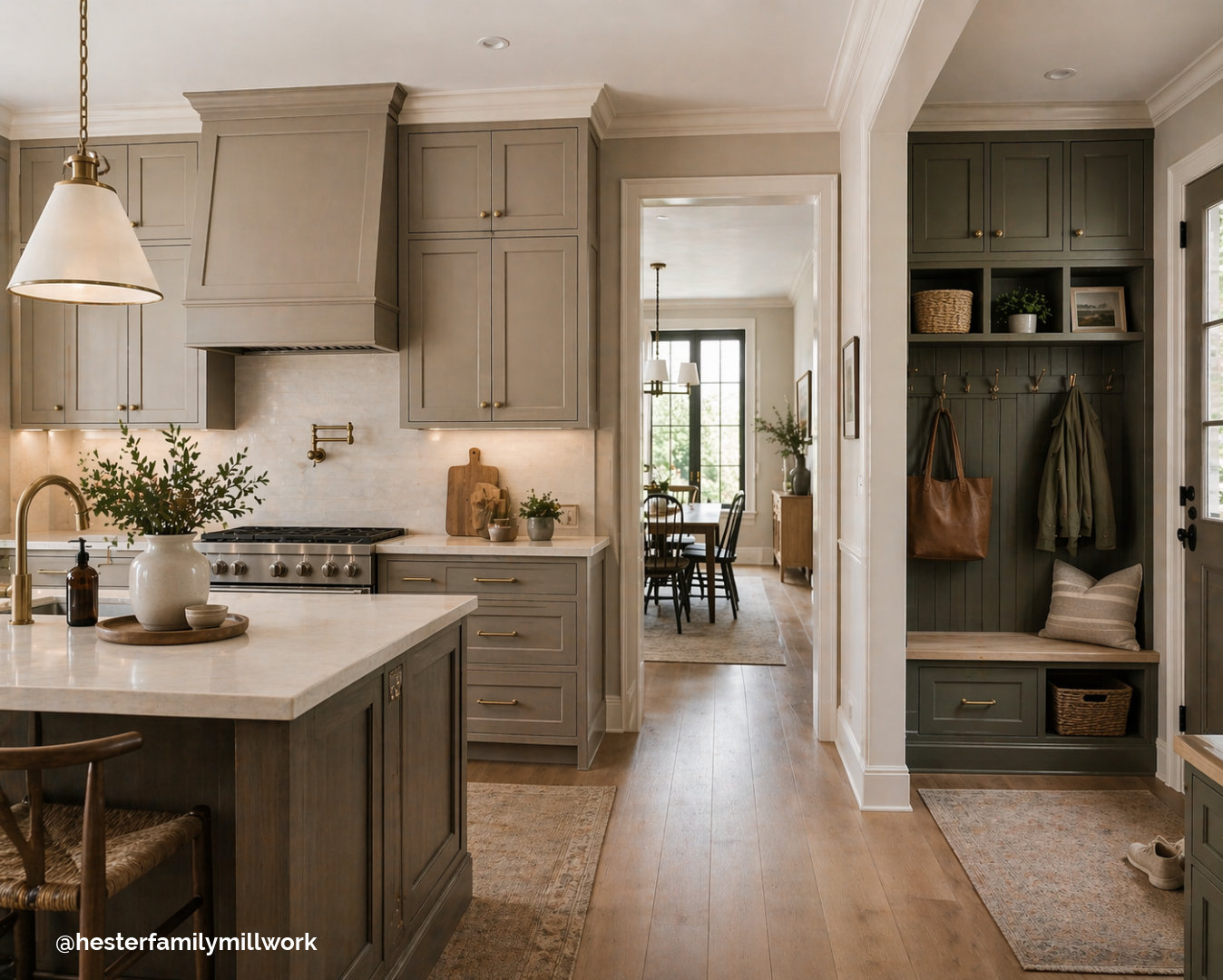
The same cabinetry style, materials, and finishes are carried into built-ins, mudrooms, laundry rooms, and storage spaces throughout the home.
This is especially common in homes across North Georgia where homeowners are investing in full-home updates, not just one room at a time.
That continuity is what creates a cohesive home design. Nothing feels like an afterthought.
It is something we plan from the beginning when working through full projects and cabinetry services across the home.
What This Means for Your Kitchen
If your kitchen feels like it is missing something, it is not always about a major renovation.
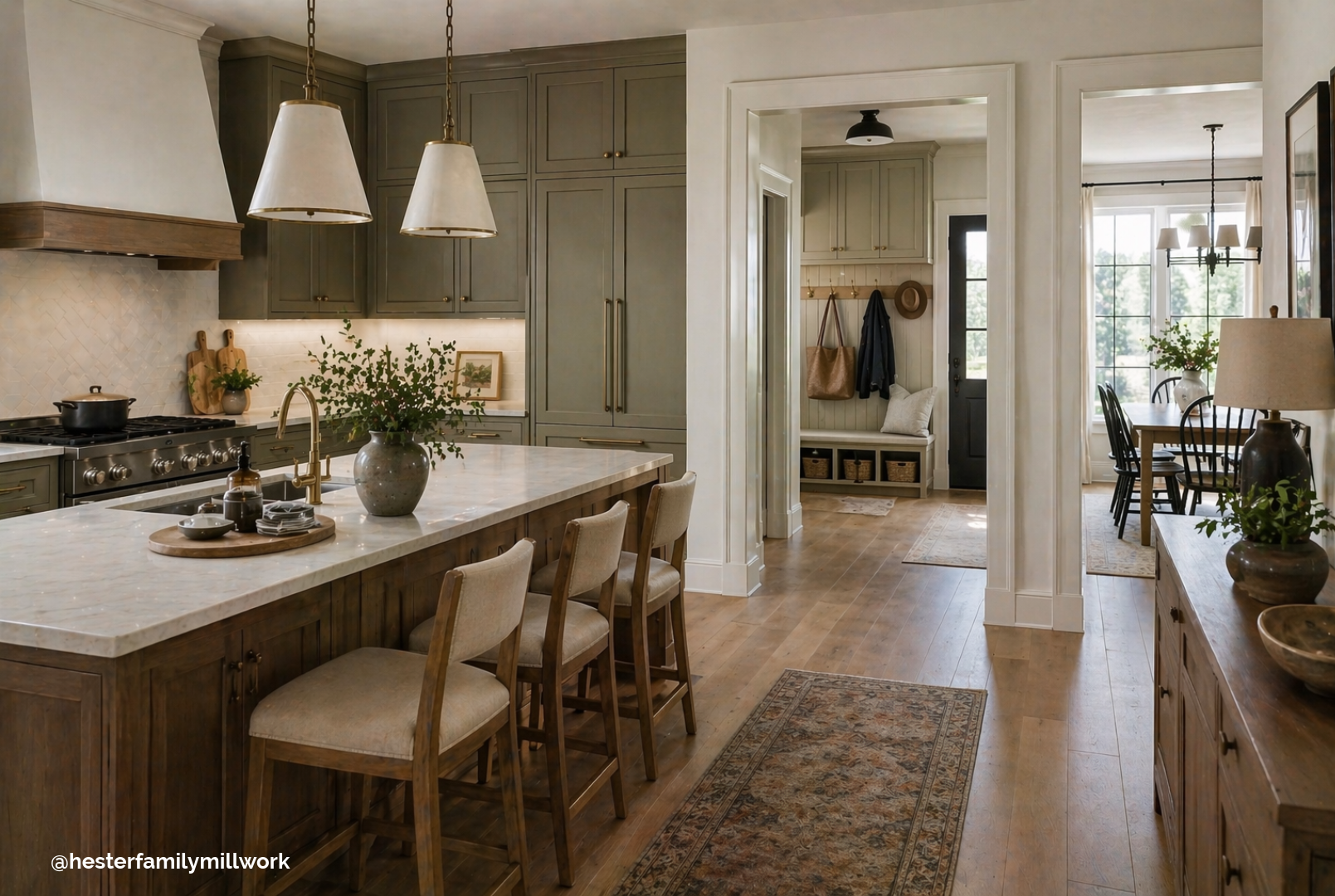
More often, it comes down to how the cabinet design, layout, and materials are working together.
When you move from making individual selections to designing with a clear direction, the space begins to feel more cohesive.
That is when a kitchen starts to feel finished.
Designing a Kitchen That Lasts
Trends in kitchen design will always change, from cabinet colors to hardware finishes to layout preferences.
But what does not change is how a well-designed kitchen should feel.
It should feel balanced. It should function well for your daily life. And it should connect naturally to the rest of your home.
At Hester Family Millwork, I focus on custom cabinetry and kitchen design in Gainesville, GA and surrounding areas like Cumming, Dahlonega, and Jefferson, helping homeowners create spaces that feel intentional and lasting.
When you are ready to start planning your kitchen or cabinetry project, you can start your design consultation here and begin with a clear direction from the beginning.
& bring the next chapter of cabinetry design into your home.