
The Design Secret Behind Cohesive Homes in 2026
How Cabinetry Connects Every Room
Designers are not just thinking about one room anymore.
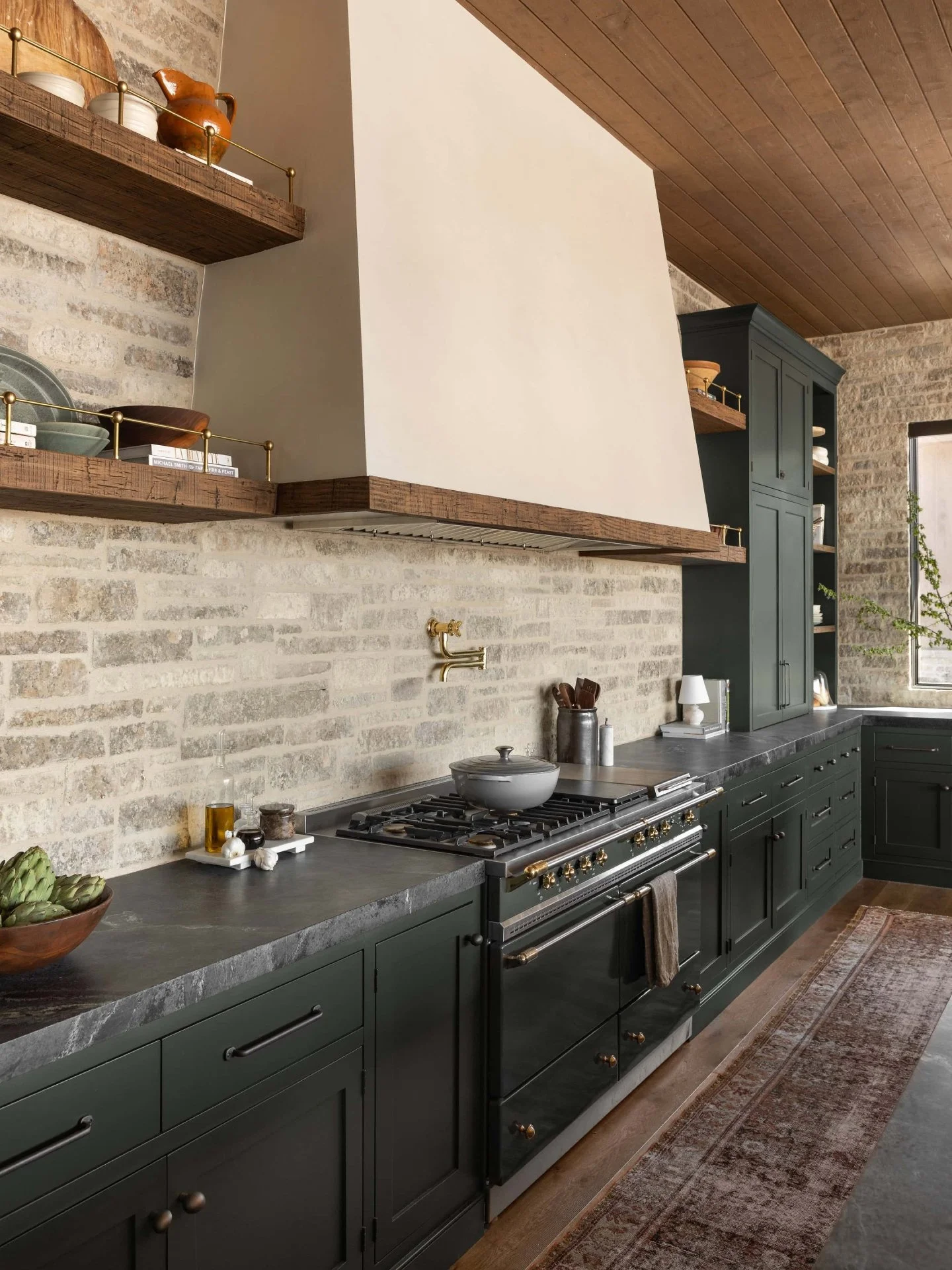
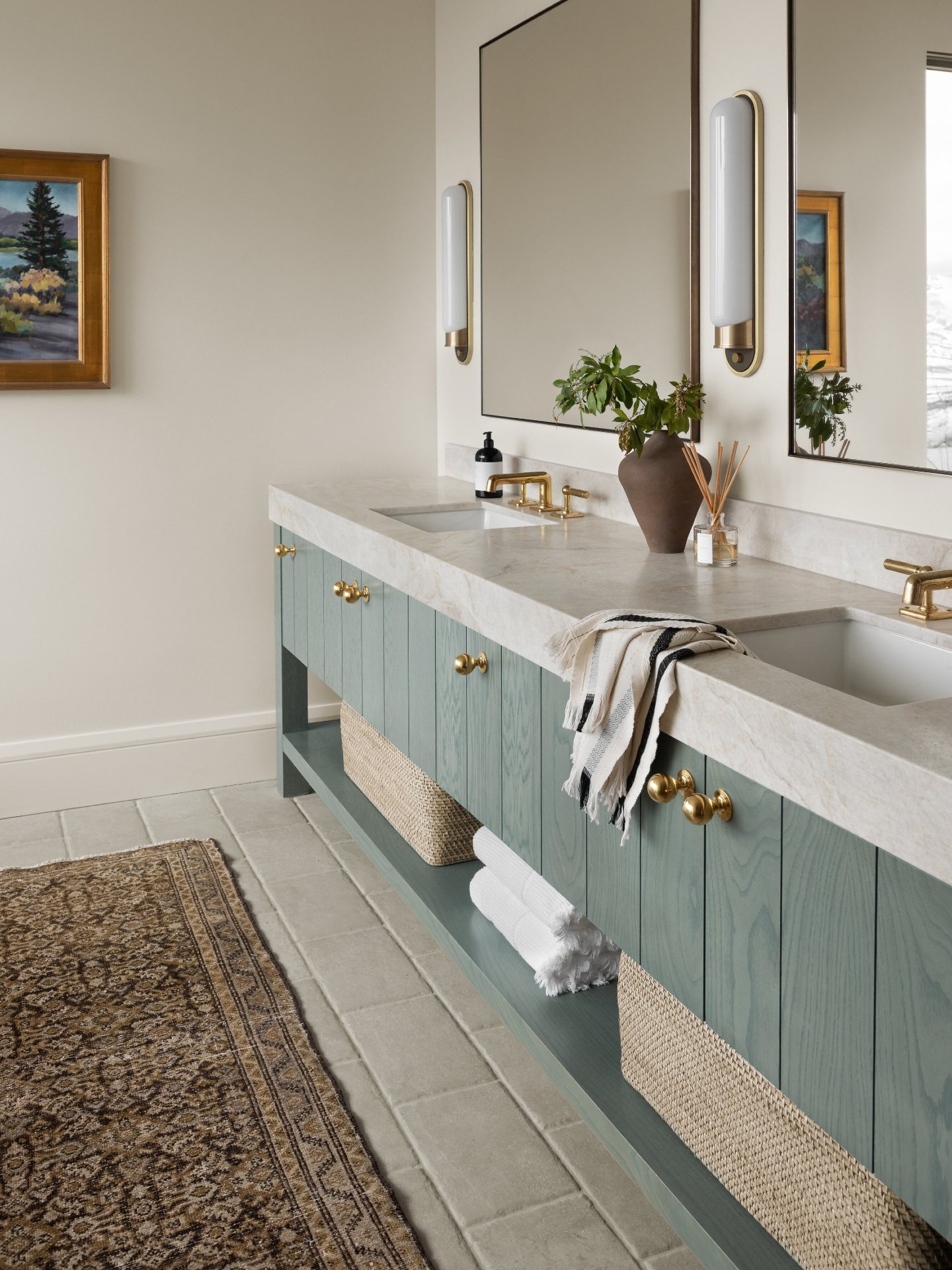
The most well-designed homes today follow a clear pattern. Cabinetry tones, materials, and finishes are carried from kitchens into built-ins, mudrooms, and even bathrooms.
It is subtle, but it changes everything. Spaces feel more intentional, more connected, and easier to live in. If you have ever walked into a home that just felt right, there is usually a reason behind it.
What Cohesive Cabinet Design Really Means
Cohesive design does not mean everything matches. It means everything works together.
Instead of designing each room separately, the home is approached as one system. Cabinetry becomes the foundation that ties it all together, both visually and functionally.
In well-planned homes, you will notice:
Consistent cabinet door styles across rooms
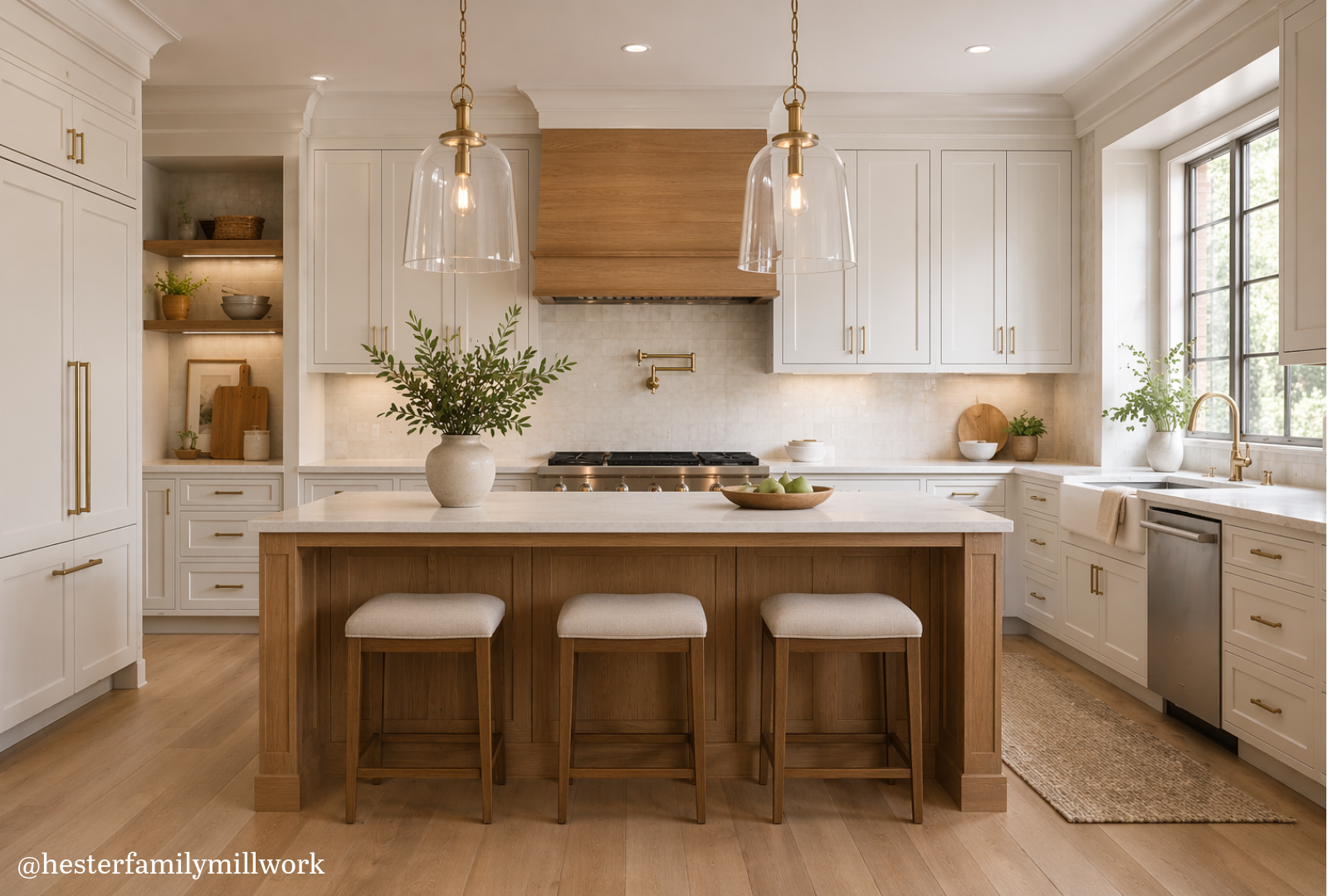
Repeated wood tones like white oak or walnut
Coordinated hardware finishes
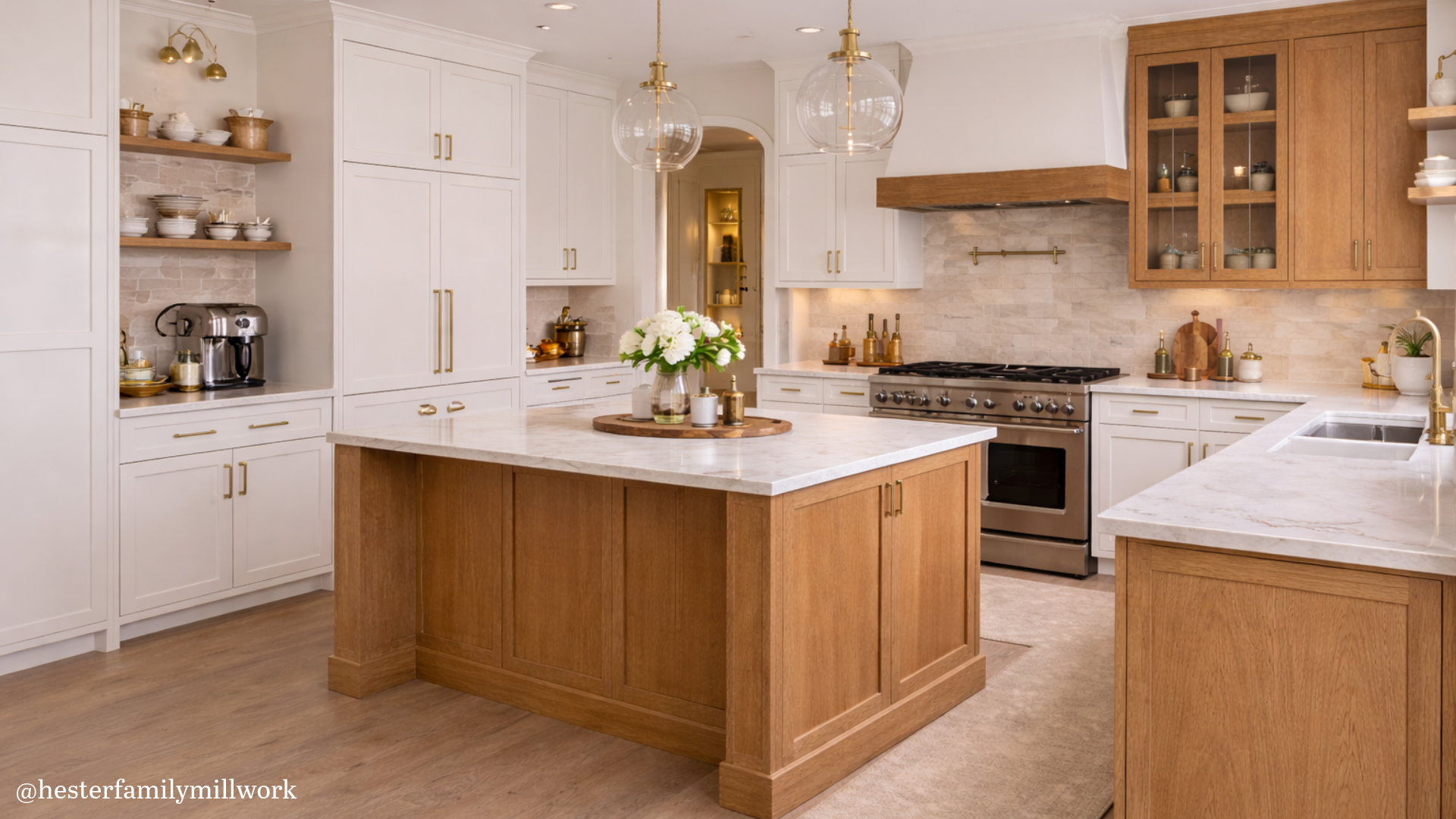
A balance of painted and stained cabinetry
From a craftsmanship standpoint, this also means:
Consistent construction methods
Clean reveals and aligned spacing
Materials that age well together over time
If you are exploring different options, understanding the difference between and can help you plan this level of consistency from the start.
Why This Trend Is Taking Over
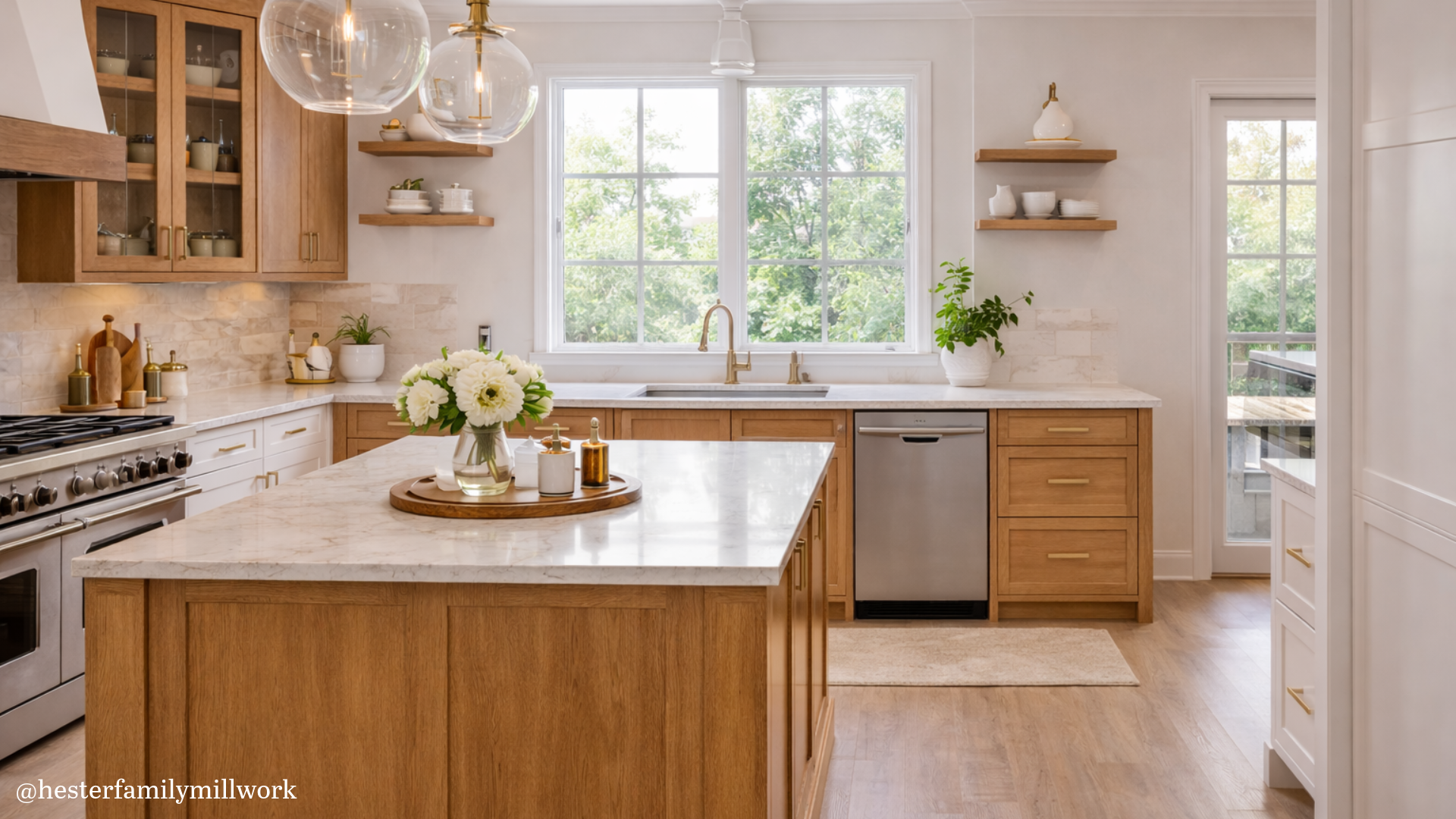
Homeowners are moving away from quick, isolated upgrades and focusing more on long-term design.
We are seeing a shift toward:
Natural wood cabinetry with visible grain
Layouts that connect spaces instead of separating them
From a cabinetmaker’s perspective, this approach improves not just appearance, but usability. Storage flows better, transitions feel natural, and every space feels considered.
Where Cohesive Cabinetry Matters Most
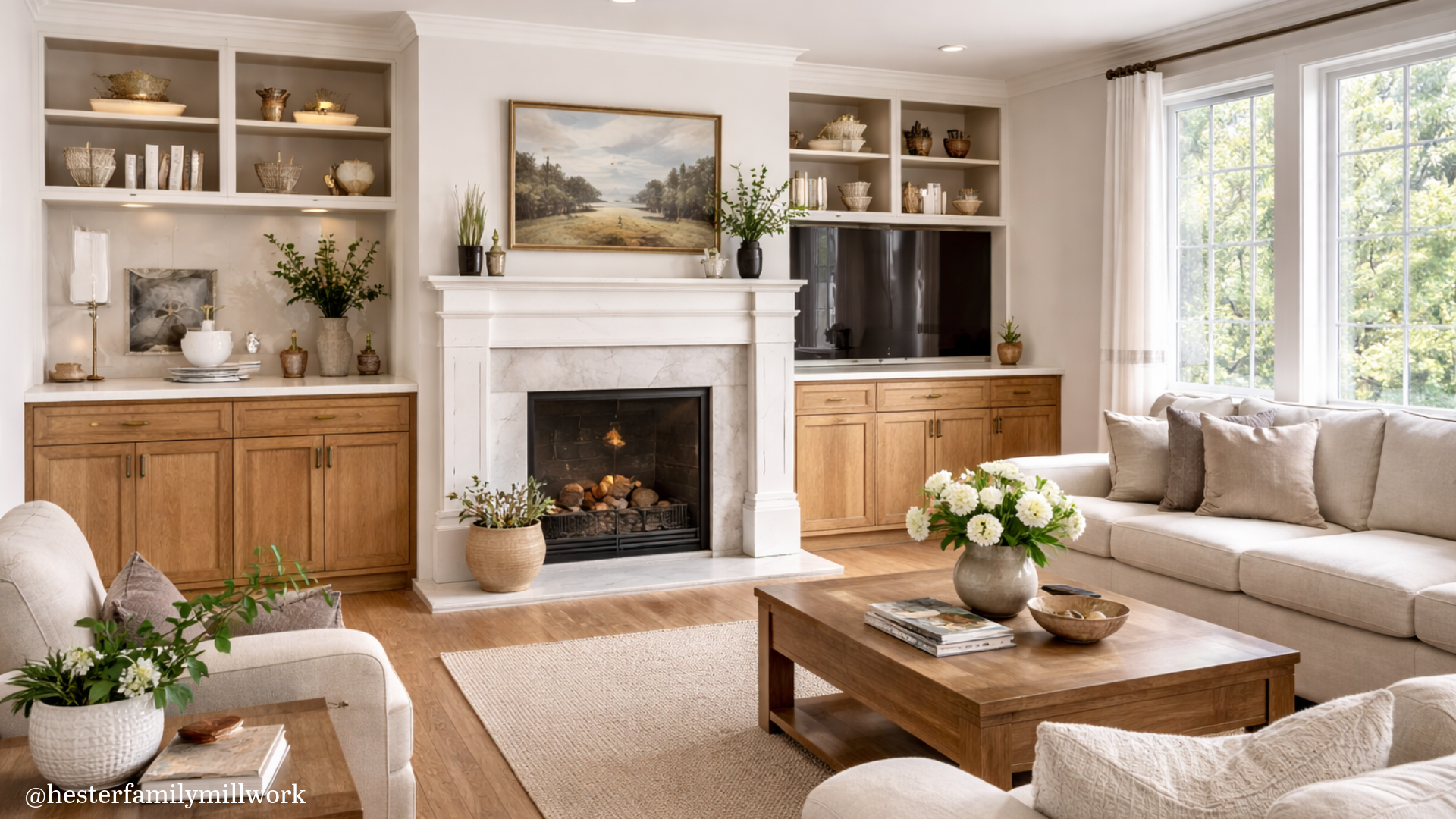
This approach extends beyond the kitchen.
This is the foundation. Cabinet finish, door style, and layout decisions here influence everything else. If you are starting here, explore your options for to set the tone for the rest of your home.
Built-Ins and Living Spaces
Matching proportions and finishes creates a seamless transition from kitchen to living areas.
Often overlooked, but some of the most used spaces in the home. Carrying cabinetry styles into these areas improves both function and flow.
More homeowners are tying vanities back to kitchen cabinetry using similar tones and materials. This is where thoughtful planning creates a high-end, finished feel.
Painted vs Stained Cabinets in a Cohesive Home
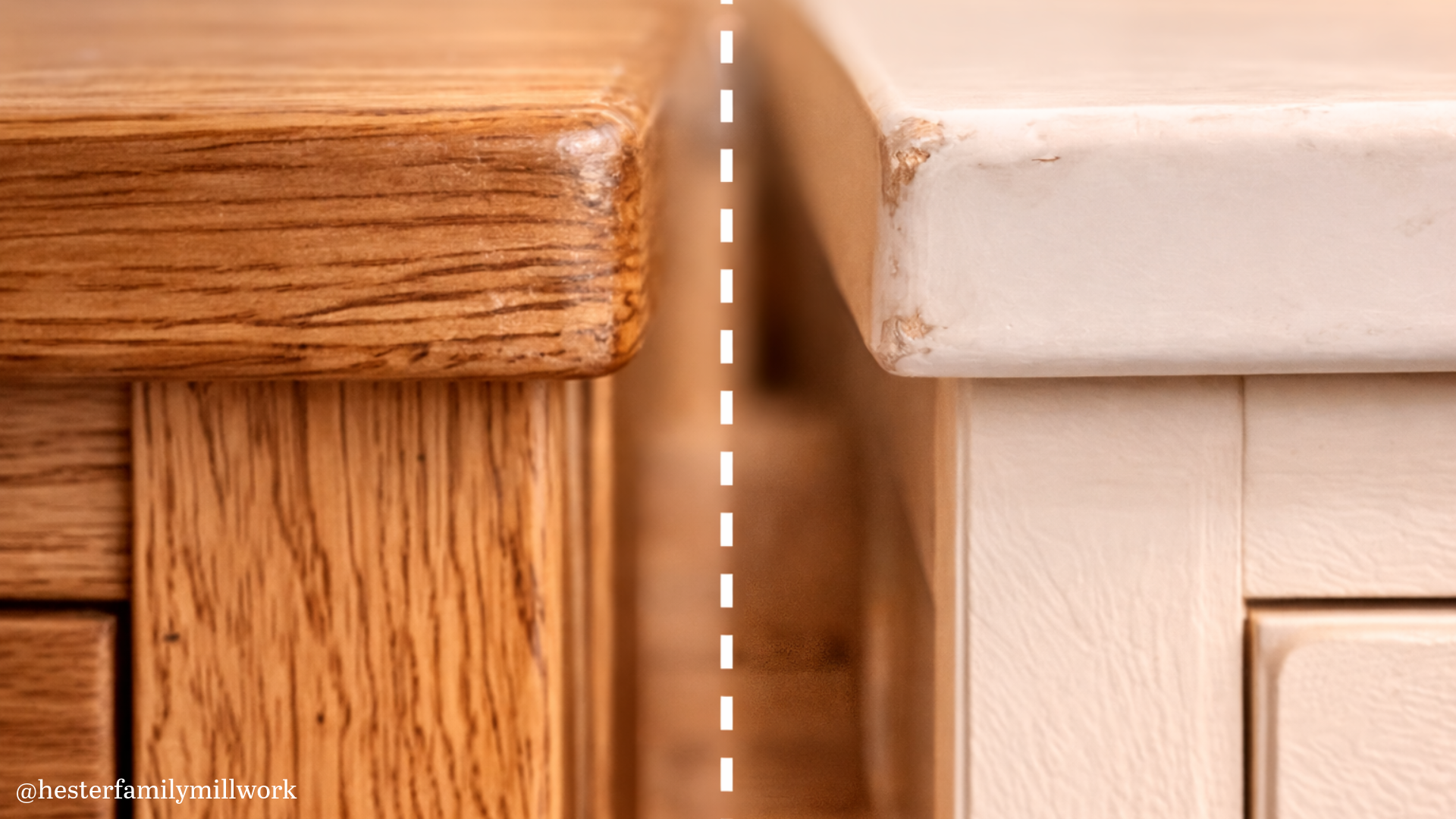
This is where most homeowners get stuck. You do not have to choose one.
The strongest designs right now use both:
Painted cabinets for structure and brightness
Stained wood for warmth and depth
From a durability standpoint:
Painted finishes offer a clean, tailored look
Stained wood helps conceal everyday wear through natural grain
Used together, they create contrast without breaking the flow of the home.
The Real Difference You Feel
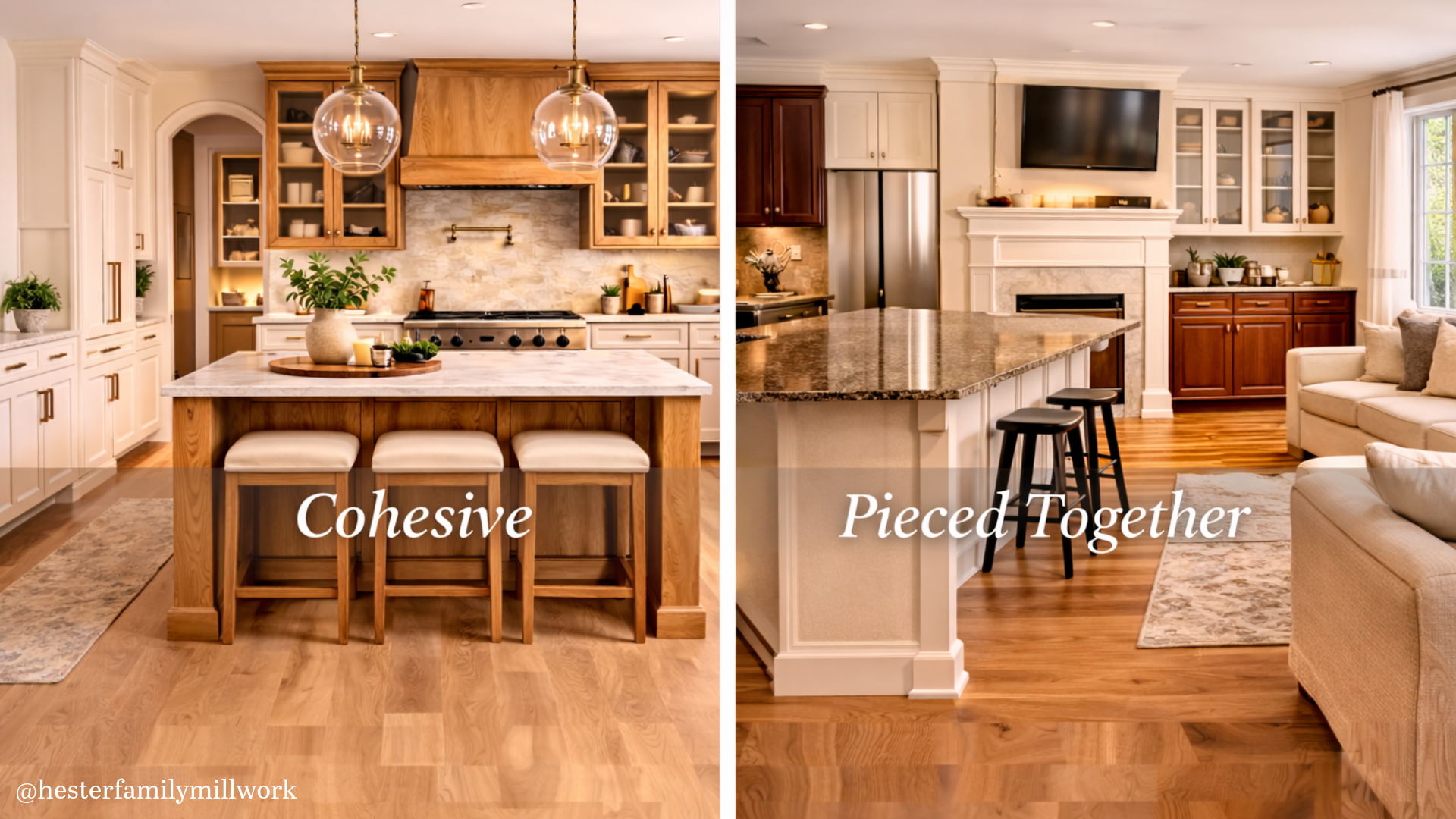
This is not just about appearance. When cabinetry is planned across the home:
Storage feels more intentional
Design decisions become easier
Spaces feel calmer and more organized
The home holds its value better over time
From a craftsmanship standpoint, it also means fewer compromises. Everything is built and installed with the full home in mind, not just one room.
Working with a team that understands full-home cabinetry design can make the process significantly smoother. You can learn more about that approach here.
How to Approach Your Own Home
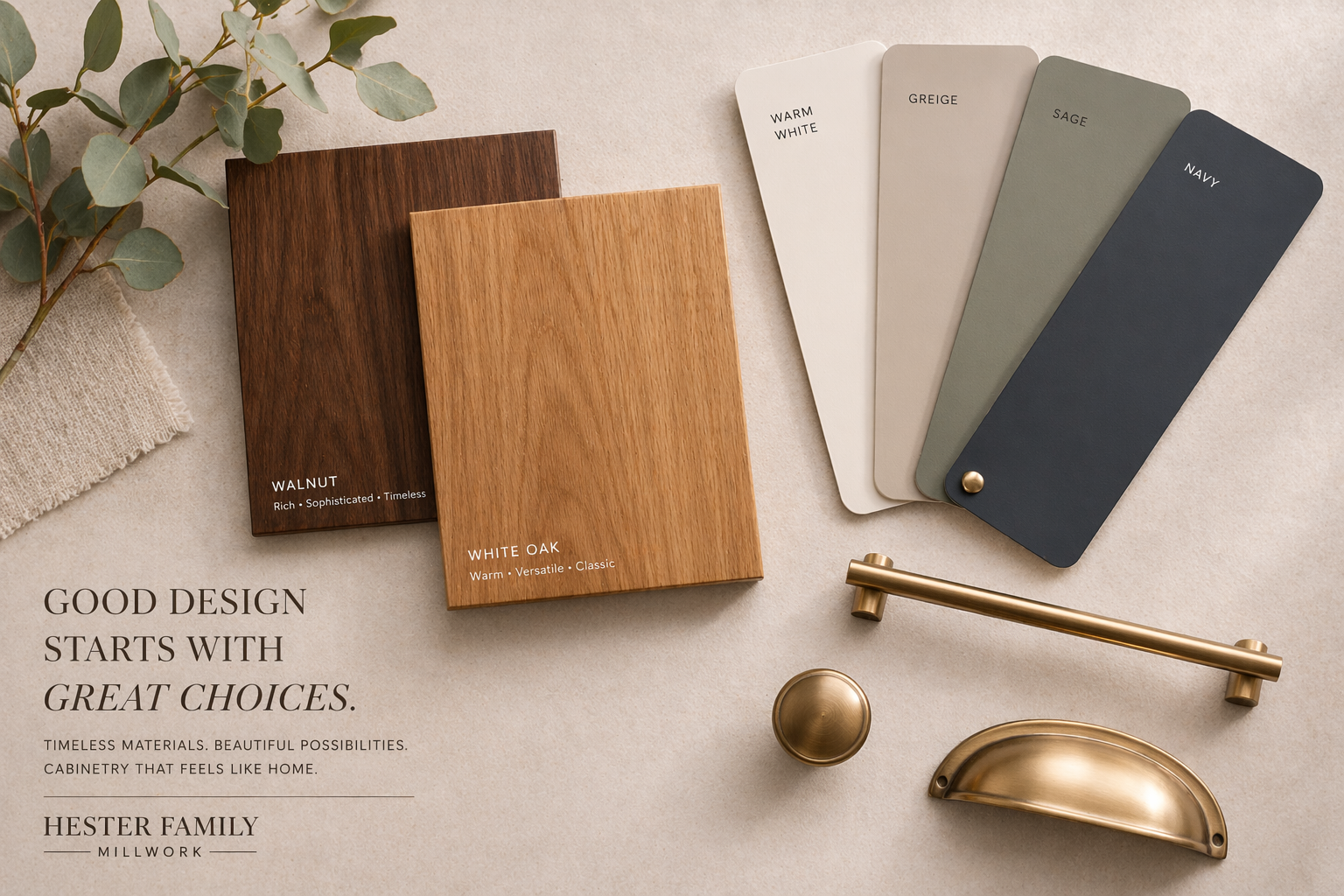
If you are planning new cabinets, step back and look at the bigger picture.
Think about:
The main cabinet tone you want throughout your home
Where you want consistency and where you want contrast
How each space connects visually and functionally
Even small decisions, like repeating a wood tone or hardware finish, can completely change the outcome.
Final Thought
The homes that stand out today are not louder. They are more thoughtful.
Cabinetry is no longer just storage. It is one of the most important design elements in creating a home that feels complete from room to room.
Start Your Design Conversation
If you are trying to figure out how to make your cabinets work across your entire home, we can help you map it out before you commit to anything.
& bring the next chapter of cabinetry design into your home.