

The Biggest Home Design Trend of 2026 Isn’t a Color. It’s Personality.
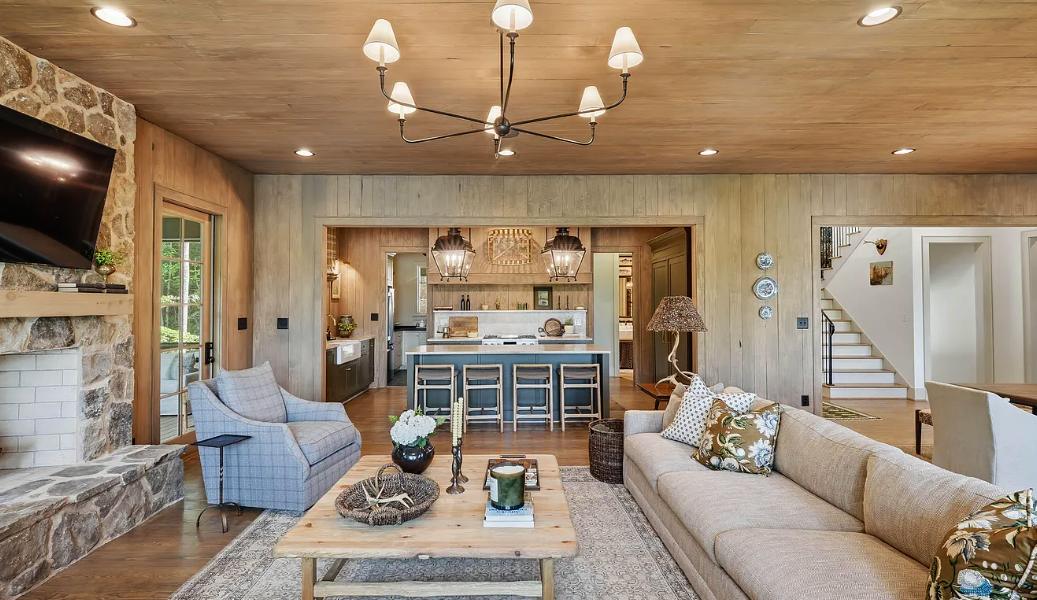
I think a lot of us have grown tired of looking at homes that are technically beautiful but could belong to absolutely anyone. Everything matches, every counter is empty, and there is not a phone charger, school paper, dog bowl, or questionable stack of mail anywhere in sight. The room may photograph well, but it doesn’t always feel believable.
That is why I am loving the return of personalized home design. People are showing more interest in home libraries, reading nooks, game rooms, collected kitchens, vintage pieces, and built-in cabinetry designed around something they genuinely enjoy. This shift is not about filling the house with more things; it is about making room for the things that already matter.
People Want Their Homes to Feel Like Theirs Again
For several years, home design leaned heavily toward being clean, neutral, and easy to photograph. There is nothing wrong with a calm room, and I will defend good storage all day long, but somewhere along the way, clean started turning into completely anonymous.
The goal became recreating an inspiration photo instead of asking whether the room made sense for the people living there. Homeowners were seeing the same colors, cabinet styles, counters, and layouts so often that many of those choices began to feel like the only safe options.
Now, I think people are ready for their homes to have more identity. They want their books within reach, their family dishes out of storage, and a place to play cards, work on a puzzle, listen to music, or enjoy a cup of coffee without staring at another screen.
Current design research supports that shift. Zillow has reported growing interest in reading nooks, artisan craftsmanship, and vintage accents, while Houzz has seen increased searches for home libraries, card rooms, and other spaces designed around hobbies and gathering. The numbers are interesting, but what they represent interests me more: people are asking their homes to support the parts of life they want to spend more time enjoying.
Cabinetry Is Where This Gets Interesting
As a cabinetmaker and designer, this is the part of personalized home design that I find most interesting because cabinetry can take something meaningful and give it a permanent place. It can turn an awkward wall into a library, frame a window with a reading nook, create a proper home for a record collection, or finally bring inherited dishes out of a box and into the room.
Cabinetry can also conceal the less charming things that are still part of everyday life. Cords, paperwork, toys, office supplies, gaming equipment, and the small army of reusable water bottles most families seem to collect can all have a place behind closed doors.
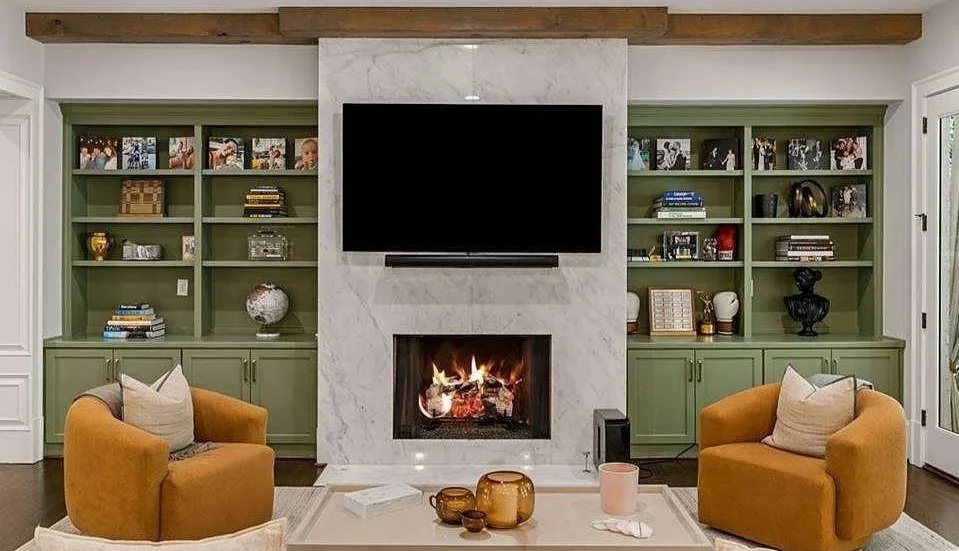
That balance between display and concealed storage is important because a room usually feels more individual when meaningful belongings are visible, but it also feels better when everyday clutter is not competing with them. I rarely think a room should be entirely open or entirely closed; a thoughtful combination tends to be more useful and easier to live with.
Open shelves give books, pottery, photographs, and collected objects a place to be seen, while drawers and cabinet doors take care of everything that does not need to become part of the display. The cabinetry creates enough order for the personality of the room to come through without being buried under mail, chargers, and whatever someone emptied out of their pockets.
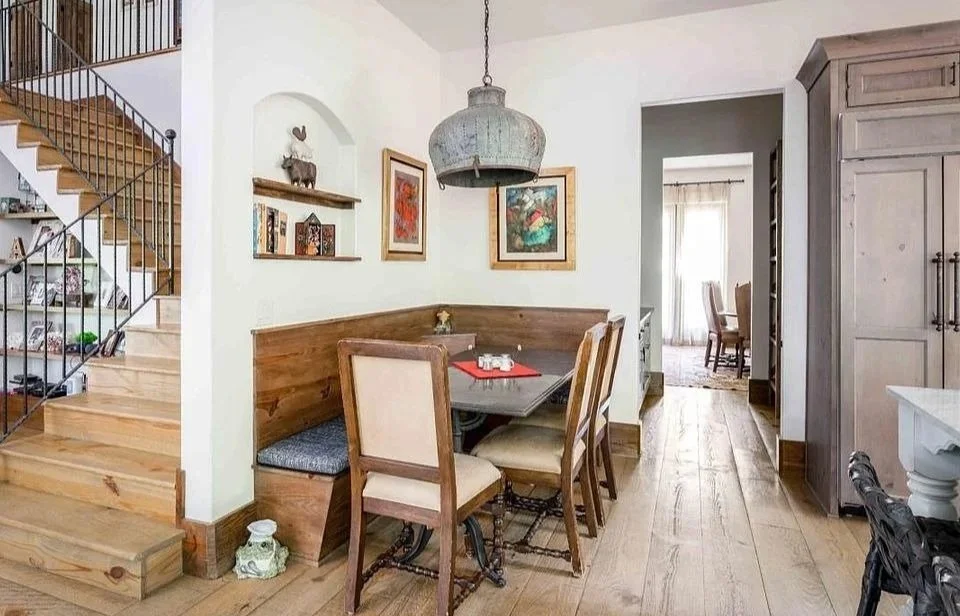
A Home Library Does Not Need Its Own Room
When people hear the words “home library,” they often picture a large room with dark wood paneling, hundreds of books, and one of those rolling ladders that looks wonderful until someone has to decide where it parks. A home library can be much simpler and still give the house a strong sense of identity.
One wall of built-in bookshelves can change the way a living room, office, hallway, or unused corner feels. Shelves surrounding a window can create a reading nook, especially when the seat includes drawers underneath for blankets, games, or household storage.
The design should begin with what the shelves will actually hold. Large art books require different spacing than paperbacks, lower cabinets need enough depth for their intended contents, and lighting needs to be considered early enough that the wiring does not feel like an afterthought.
Proportion matters just as much as storage. Heavy trim, deep shelves, and wide face frames can overpower a narrow room, while a simpler profile and shallower shelving may feel more natural. A built-in should look as though it belongs to the architecture, but it also needs to hold a person’s actual belongings rather than an imaginary collection chosen for a photograph.
Collected Kitchens Can Still Feel Calm
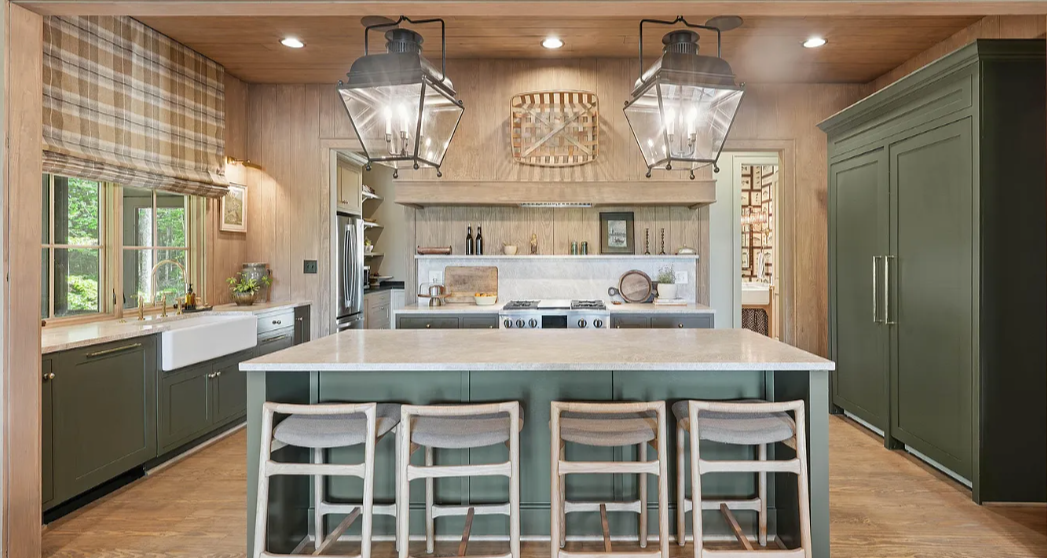
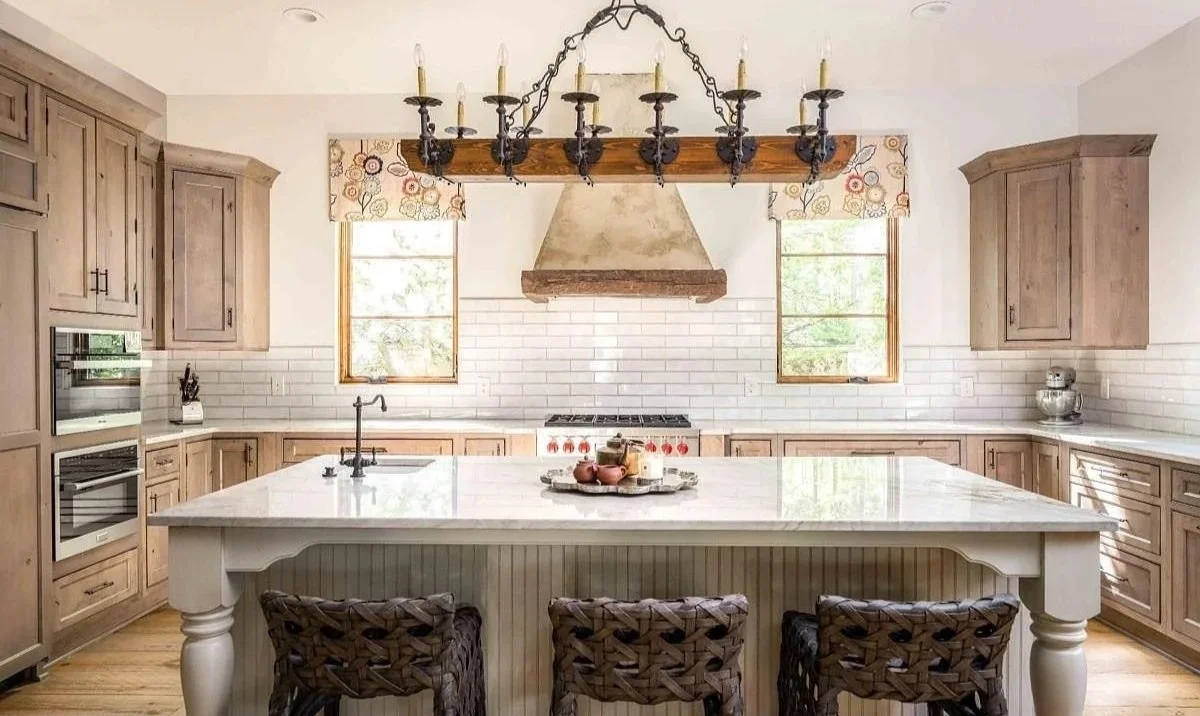
I am also seeing more interest in kitchens that feel collected instead of purchased as one perfectly matching set. That might mean a stained wood island paired with painted perimeter cabinets, a furniture-style hutch, a small section of glass-front doors, open shelving for cookbooks, or a beverage area that feels slightly different from the main kitchen.
I love this approach when the room still has some restraint because not every cabinet needs to be the feature. If the island has expressive wood grain, the door profile may need to stay simple; if the hutch has glass doors and interior lighting, the surrounding cabinetry can remain quieter. When the backsplash already has a great deal of movement, the cabinet finish does not need to compete with it.
I have talked before about why warm cabinet design feels so comfortable. Wood, color, texture, and familiar details can make a kitchen feel more settled, but they work best when the room still has a clear visual order.
A collected kitchen should look as though its details were chosen over time and for a reason, not as though every idea from an inspiration board was used at once. Repeating a door proportion, hardware finish, or wood tone can connect different sections and prevent the room from feeling disjointed.
Open Shelves Are Not the Only Way to Add Personality
Open shelving receives a great deal of attention because it photographs well and gives homeowners an obvious place to display their belongings. It can be a wonderful feature, but it also comes with an unspoken agreement that someone will dust it and keep its contents reasonably presentable.
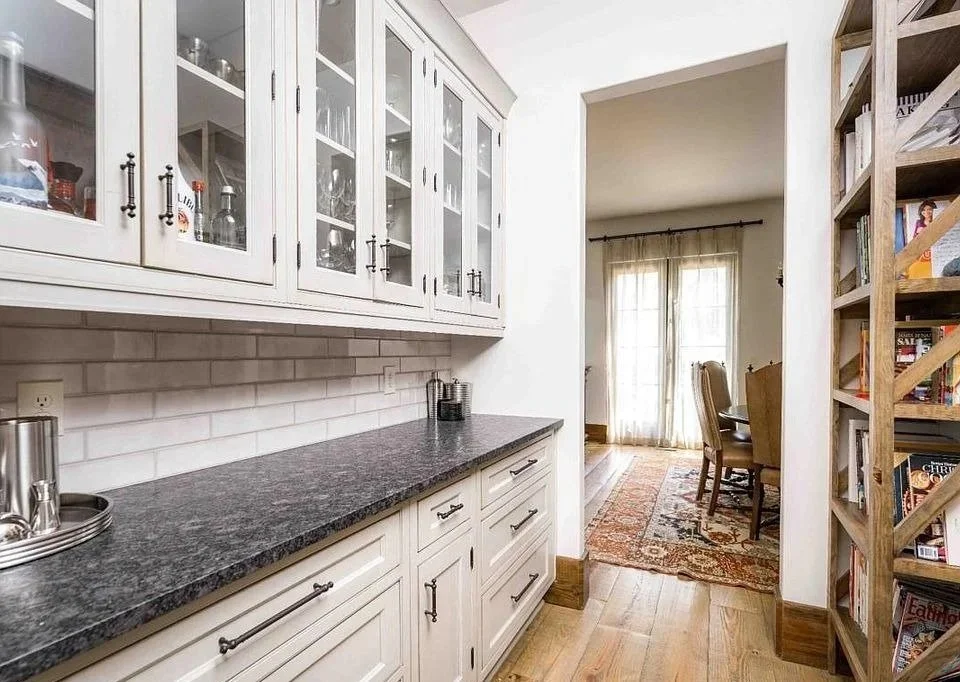
Glass-front cabinetry can provide a useful middle ground. Clear glass keeps dishes or collectibles visible while offering some protection from dust, and reeded or textured glass creates a softer view of the cabinet interior when the mugs are not arranged by height and color every day.
The cabinetry itself can also carry personality through its materials and proportions. A stained wood finish, arched cabinet, furniture-style base, inset door, or thoughtfully designed hutch can give the room more character without requiring every shelf to become a display.
The right decision comes back to how the homeowner prefers to live. Someone who enjoys arranging shelves and changing displays may love open storage, while someone who already feels burdened by visible clutter will probably be happier with doors.
Nostalgic Design Should Not Become a Theme
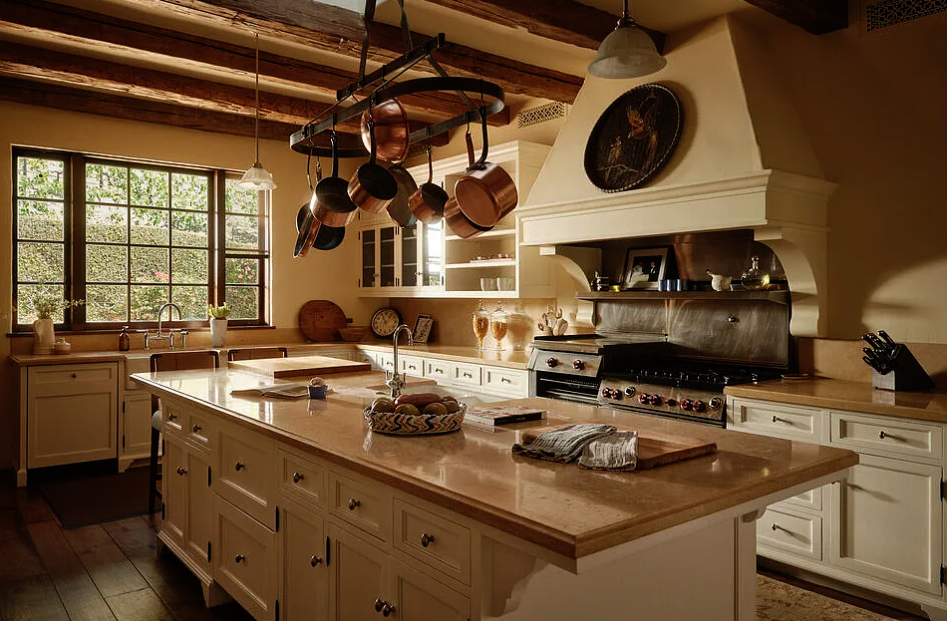
I like older homes, traditional details, and rooms that feel as though they have developed over time, but I do not believe every nostalgic space needs to look like a movie set. A room can reference the past without reproducing it exactly.
A walnut hutch can feel established without becoming ornate, while a narrow Shaker door can provide definition without appearing fussy. Deeper paint colors, aged brass hardware, reeded glass, and furniture-style cabinetry can all suggest history while still supporting the way a family lives now.
The architecture should guide those decisions because detailed raised-panel cabinetry may feel completely natural in one home and misplaced in another. Slab or simple full-overlay doors may work better in a cleaner, more contemporary house, while inset cabinetry can add a furniture-like quality when the style, construction, and budget support it.
I would rather choose one or two details that belong in the house than add five details simply because they are currently popular. Nostalgic design works best when it feels connected to the architecture or the people living there, rather than being applied as a theme.
Personalized Design Is Not a Price Category
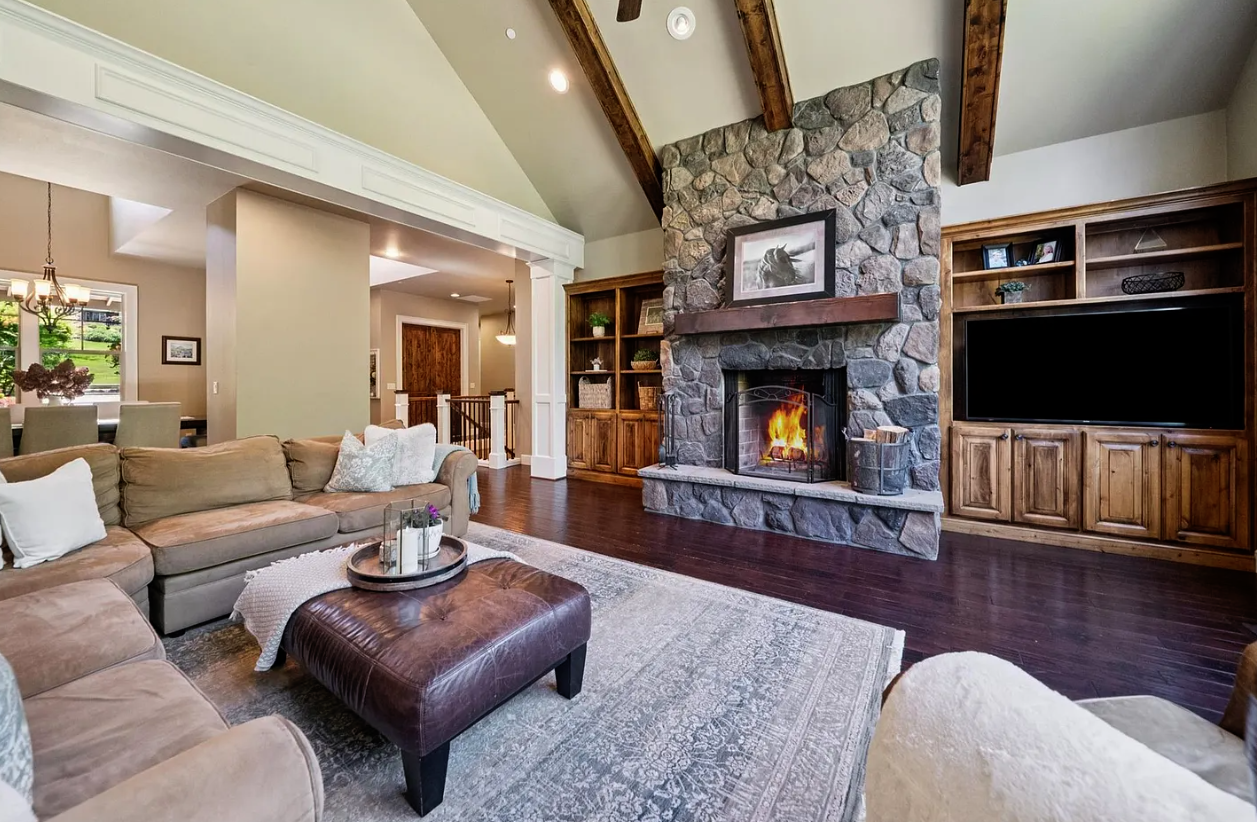
A home does not need made-to-order cabinetry in every room to feel distinct. Made-to-order cabinetry can make sense when a wall has unusual dimensions, the design requires a particular configuration, or the cabinetry needs to relate precisely to the architecture.
Semi-custom cabinetry can also provide flexibility in sizing, finishes, door styles, and storage. Even RTA cabinetry can feel thoughtful when the layout, trim, hardware, and surrounding materials are handled carefully.
Personalized design is not about spending the most money; it is about understanding where the details will have the greatest effect. Sometimes the right decision is one carefully planned built-in rather than cabinetry across the entire room, while another project may need more extensive storage because the existing layout simply does not support the household.
These are the kinds of decisions we work through during the HFM cabinetry process. Different rooms have different jobs, and not every wall needs the same type of cabinetry or the same level of detail.
Always Come Back to How the Room Needs to Work
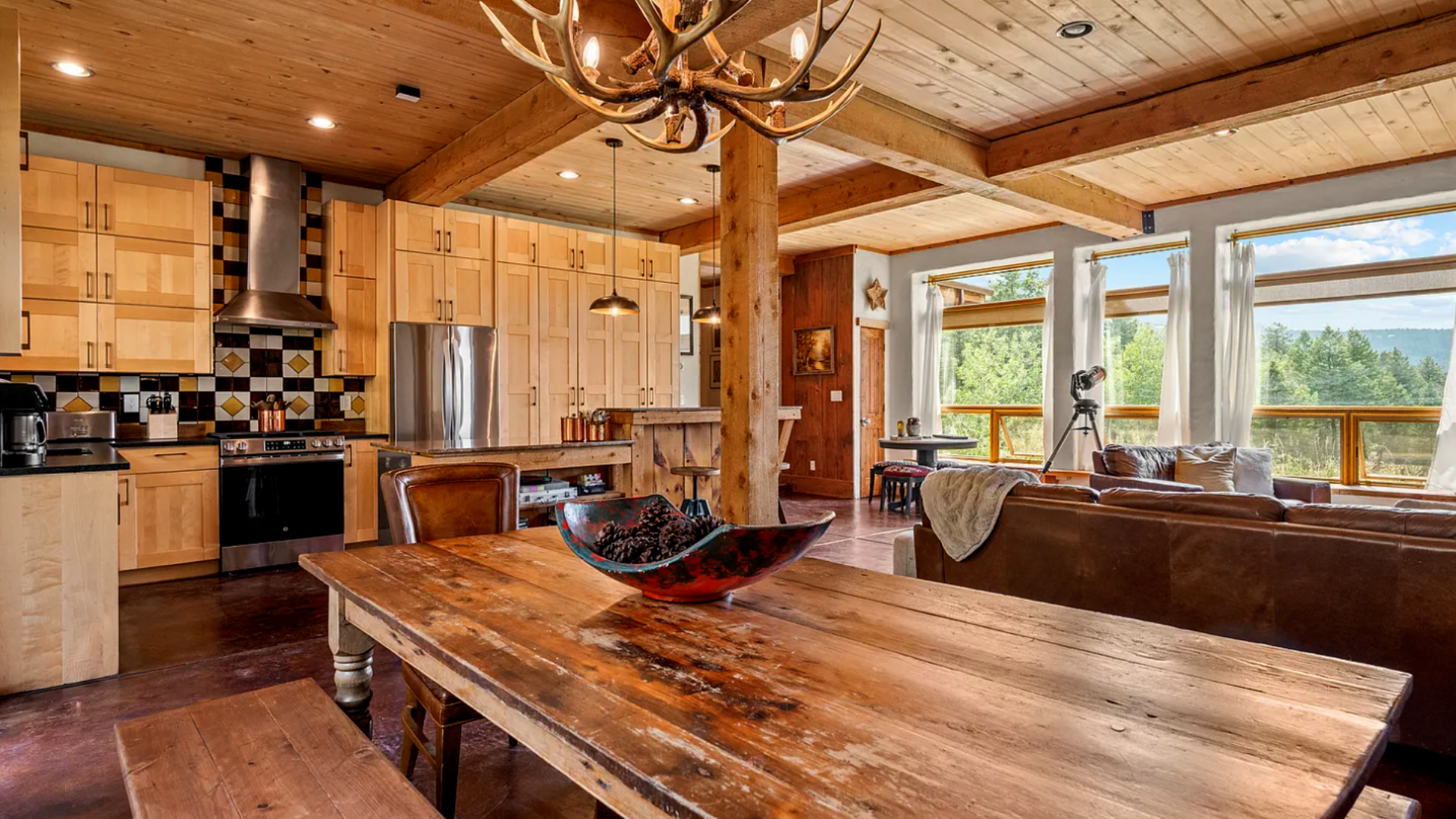
Before deciding how a room should look, I think about what needs to happen there and what is currently getting in the way. I want to know what the homeowner uses every day, what they enjoy seeing, what they are tired of looking at, and where clutter continues to collect no matter how often the room is cleaned.
Those answers tell us more than a style label because they reveal what the cabinetry needs to accomplish. A homeowner may not need more storage throughout the room; they may need better storage in one specific place. They may not need a separate home library, but one built-in wall could hold books, office supplies, family photographs, and a printer without allowing the room to feel like a workplace.
This is why thoughtful cabinetry and millwork planning matters. The goal is not to fit in as many cabinets as possible; the goal is to use the available space in a way that makes daily life easier and gives the room a clearer identity.
Your Home Is Allowed to Look Lived In
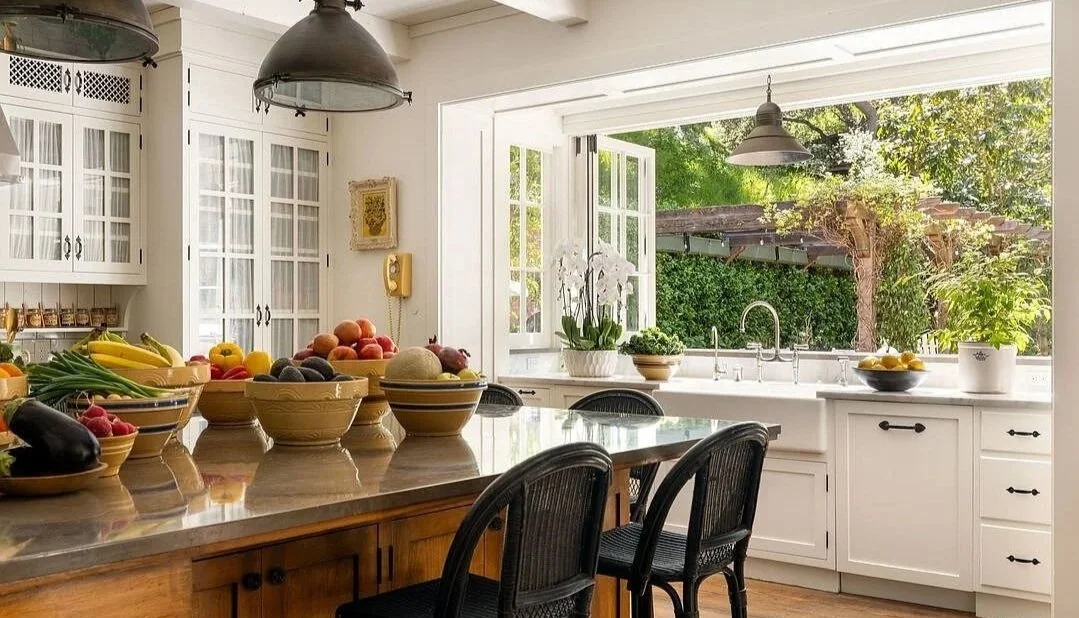
I am glad we are moving away from the idea that every home needs to look untouched. Books can be visible, family pieces can be used, hobbies can take up space, and a kitchen can have personality without following every current design trend.
A home can still feel organized without looking as though no one is allowed to set anything down. Personalized home design works because it begins with the people living there rather than someone else’s photograph.
If you are planning cabinetry or a built-in and are unsure how to turn your ideas into a practical design, tell me a little about your project. I would be happy to help you sort through what makes sense for your home and which details are worth making permanent.