

The Psychology Behind Warm Cabinet Design
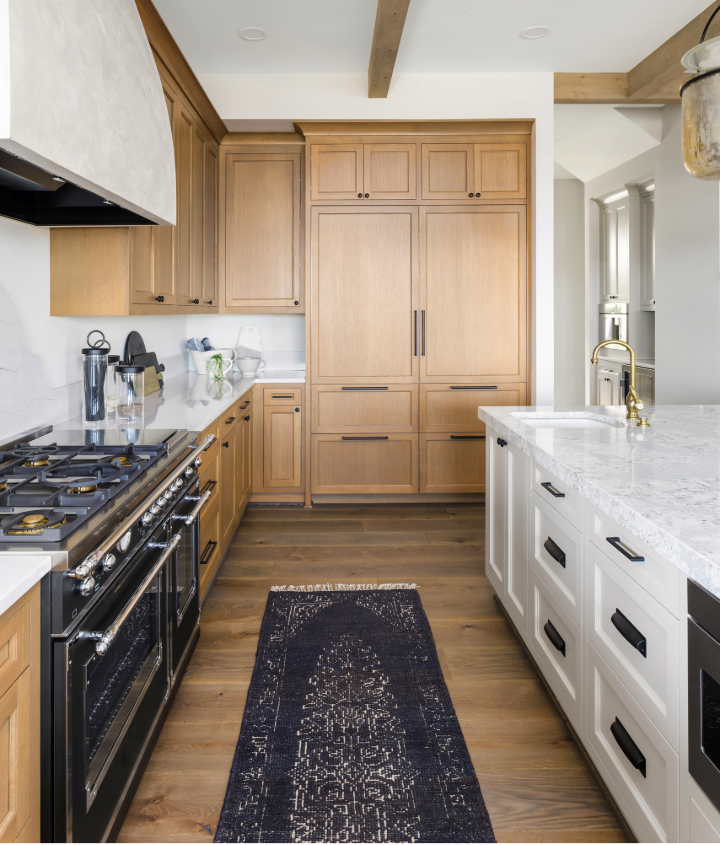
I've noticed over the years is that homeowners rarely tell me they want their kitchen to feel "trendy." They might bring inspiration photos, Pinterest boards, or magazine clippings to a meeting, or talk about cabinet colors, wood species, and design styles. Sometimes they'll mention wanting something "timeless." What they're usually describing, whether they realize it or not, is how they want the space to make them feel.
Some kitchens feel inviting the moment you walk into them. Others feel cold, even when they're beautiful. As I've spent more time working in cabinetry and studying the homes people are drawn to, I've become increasingly fascinated by the role warmth plays in our experience of a space. While cabinet design is often discussed in terms of finishes, colors, and trends, there's also a psychological side to it. I think that's one of the reasons we're seeing such a strong movement toward warmer cabinet design today.
Why Warm Spaces Feel More Comfortable
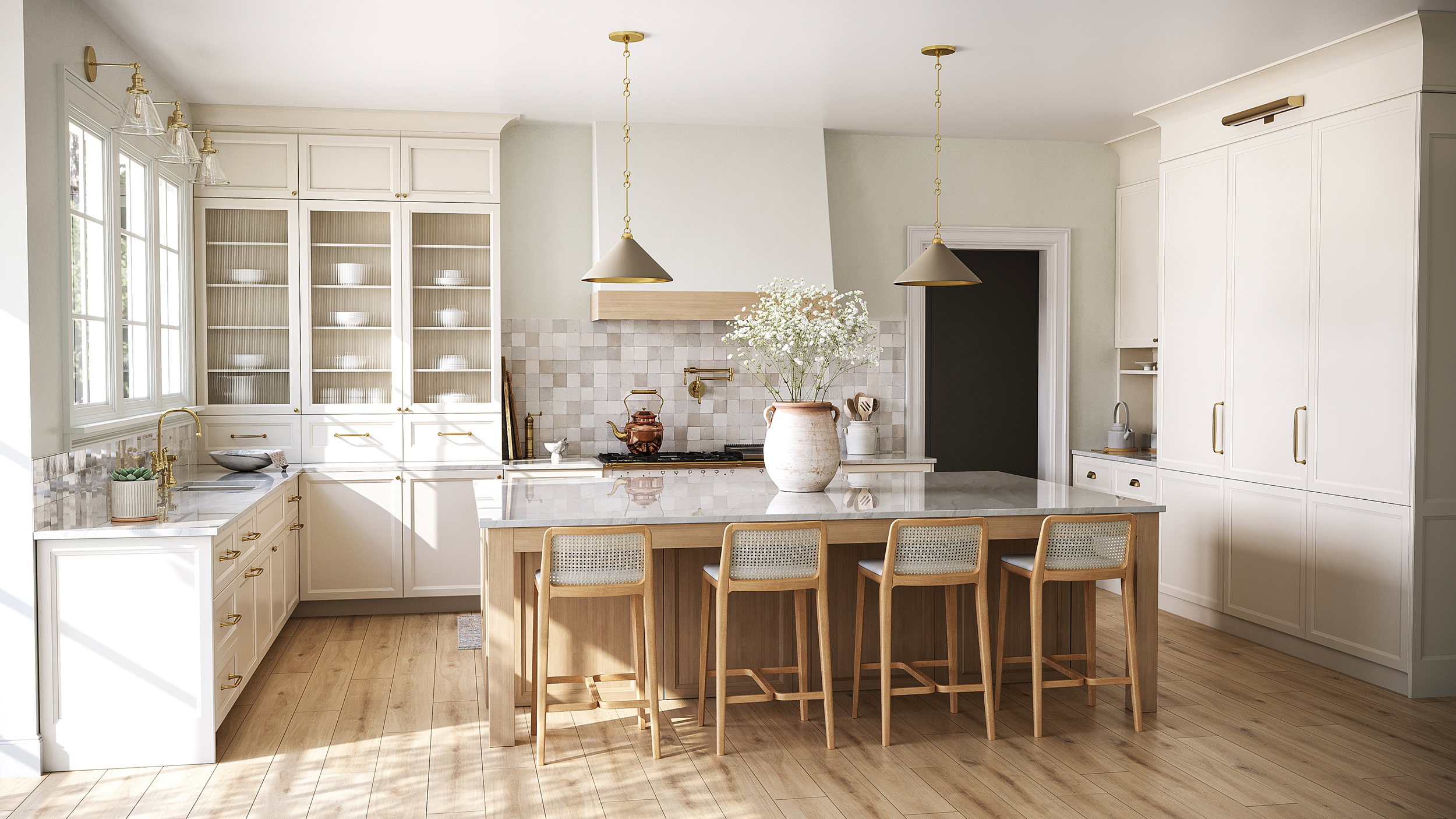
Most people don't walk into a room analyzing paint undertones, cabinet door styles, or wood grain patterns. Instead, they have an emotional reaction. A space either feels comfortable or it doesn't. Warm cabinet design tends to create a sense of familiarity that people naturally respond to. Natural wood tones, warmer paint colors, layered textures, and softer contrasts often make a room feel more approachable and lived in.
When homeowners save photos of kitchens featuring white oak, walnut, warm whites, and organic materials, I don't think they're responding solely to the cabinetry itself. They're responding to the feeling those spaces create. The materials may be different from project to project, but the emotional response tends to be remarkably consistent.
The Shift Away From Cooler Kitchen Designs
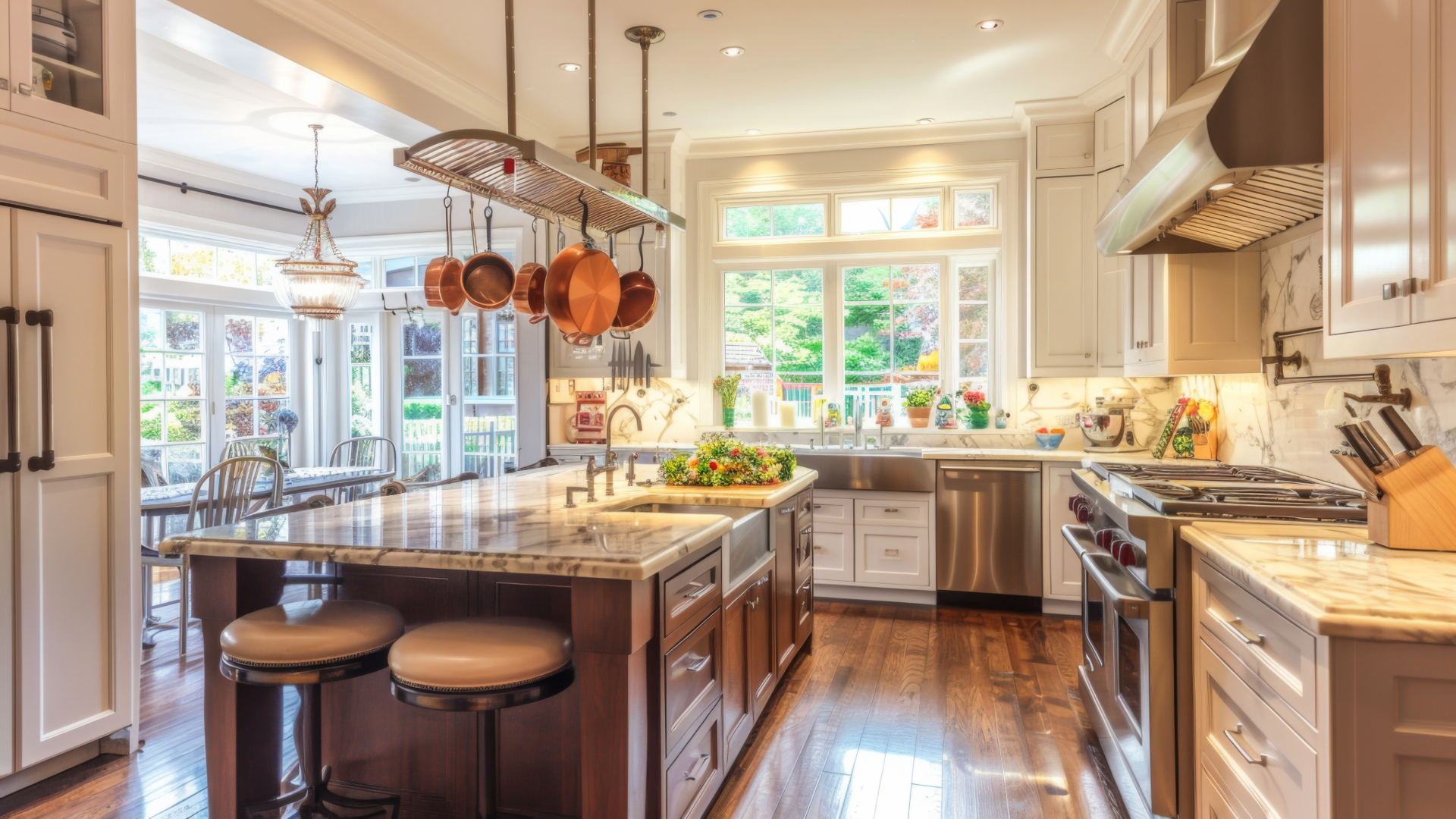
For many years, cool grays and bright white kitchens dominated the design world. Those kitchens became popular for good reason at the time; they felt fresh, clean, and modern. Many of them still look beautiful today, yet at the same time, I've noticed more homeowners talking about warmth than they were five or ten years ago.
People often tell me their kitchen feels sterile, disconnected, or lacking in personality. What's interesting is that they're rarely looking for something dramatic. They're usually looking for balance. They want a little more warmth, a little more texture, and a little more character than what they currently have.
And when I say balance, I'm talking about the relationship between all the materials in a room. A kitchen filled with hard surfaces, cool colors, and little variation can begin to feel flat. On the other hand, too many competing finishes, colors, or textures can feel chaotic.
Balance happens when warmth, texture, color, lighting, and cabinetry work together to create a space that feels comfortable and cohesive.
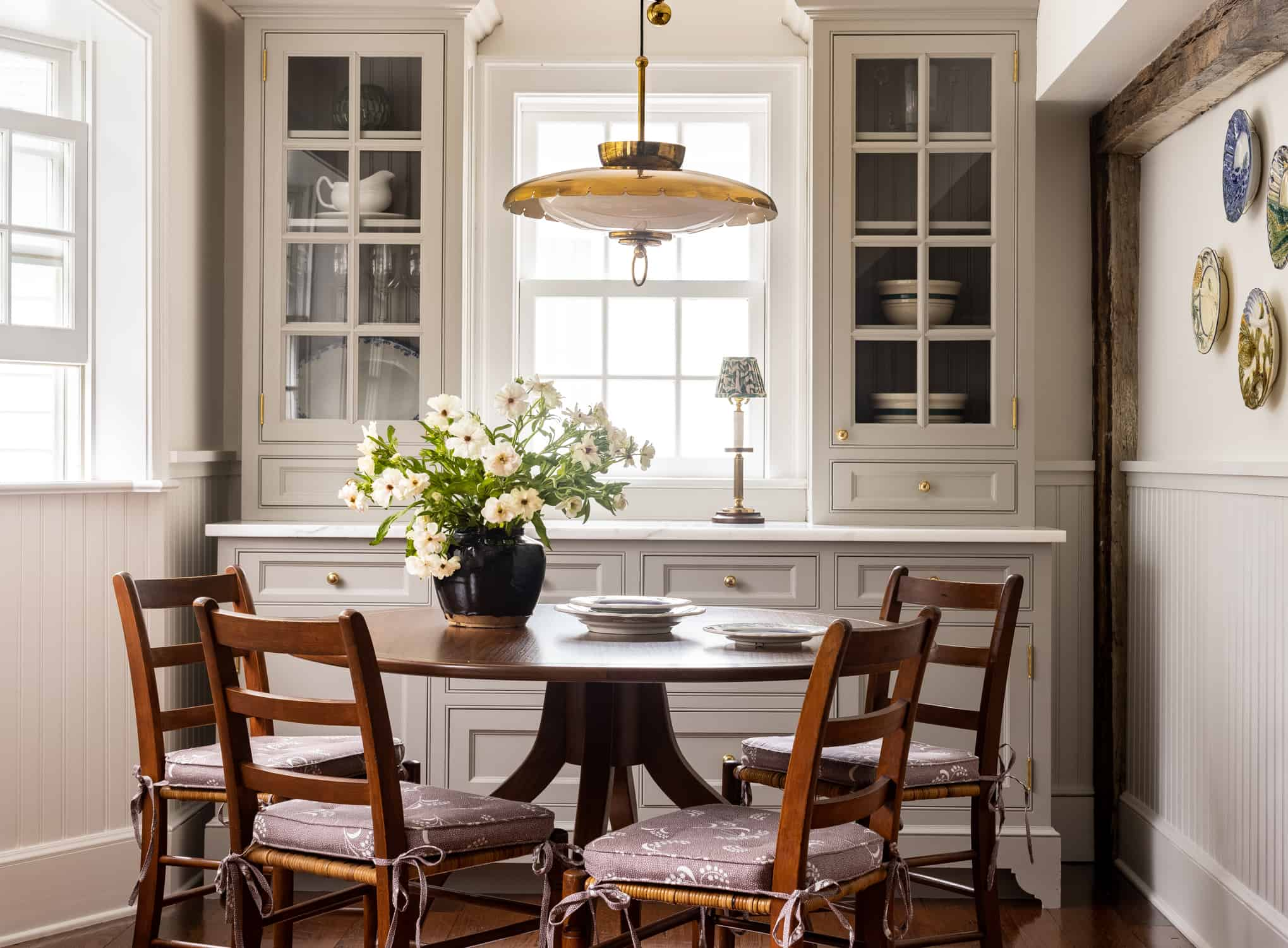
Homeowners Want Kitchens That Feel Personal
Part of this shift comes from the way people view their homes now. Homeowners seem less interested in creating spaces that appeal to everyone and more interested in creating spaces that feel authentic to them.
The kitchen has become much more than a place to prepare meals. It's the heart of the home, where conversations happen, where the kids do homework, where friends gather to talk and snack, and where most families spend much of their daily lives. People want those spaces to feel personal.
Warm cabinet design naturally supports that goal. Wood grain introduces variation that paint can't replicate. Natural materials bring depth and texture. Layered finishes create visual interest without overwhelming a room. The result is a kitchen that feels collected over time rather than manufactured all at once.
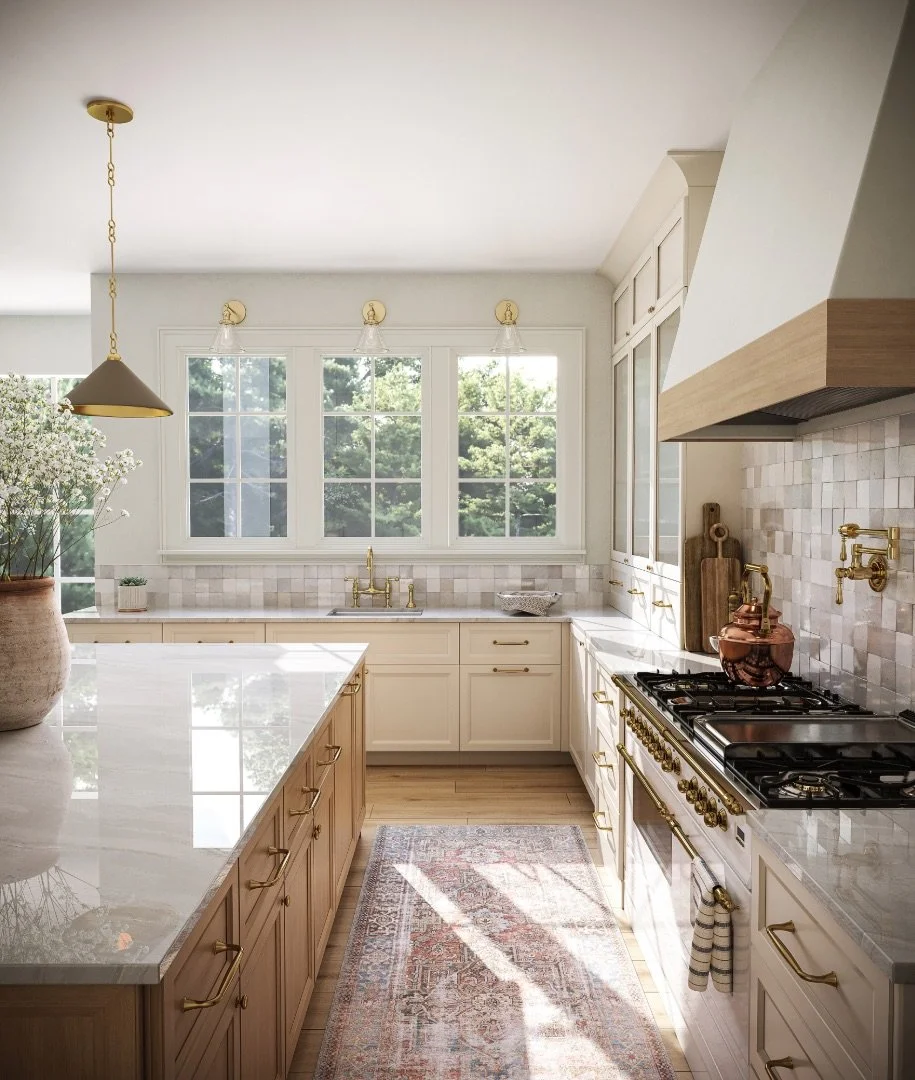
Why Natural Wood Cabinetry Continues to Resonate
When I look at the kitchens gaining attention right now, one thing stands out consistently: natural wood is everywhere. I'm sure you've noticed it popping up more and more over the last few years.
White oak, walnut, warm stained finishes, and mixed-material cabinetry continue to appear in both traditional and contemporary designs. I don't think that's happening by accident. Wood introduces something that's difficult to replicate with any painted finish.
Every board is different, and every grain pattern brings its own character. That variation creates character, and character tends to make spaces feel more human. It's one of the reasons natural wood cabinetry continues to remain relevant while so many other design trends come and go.
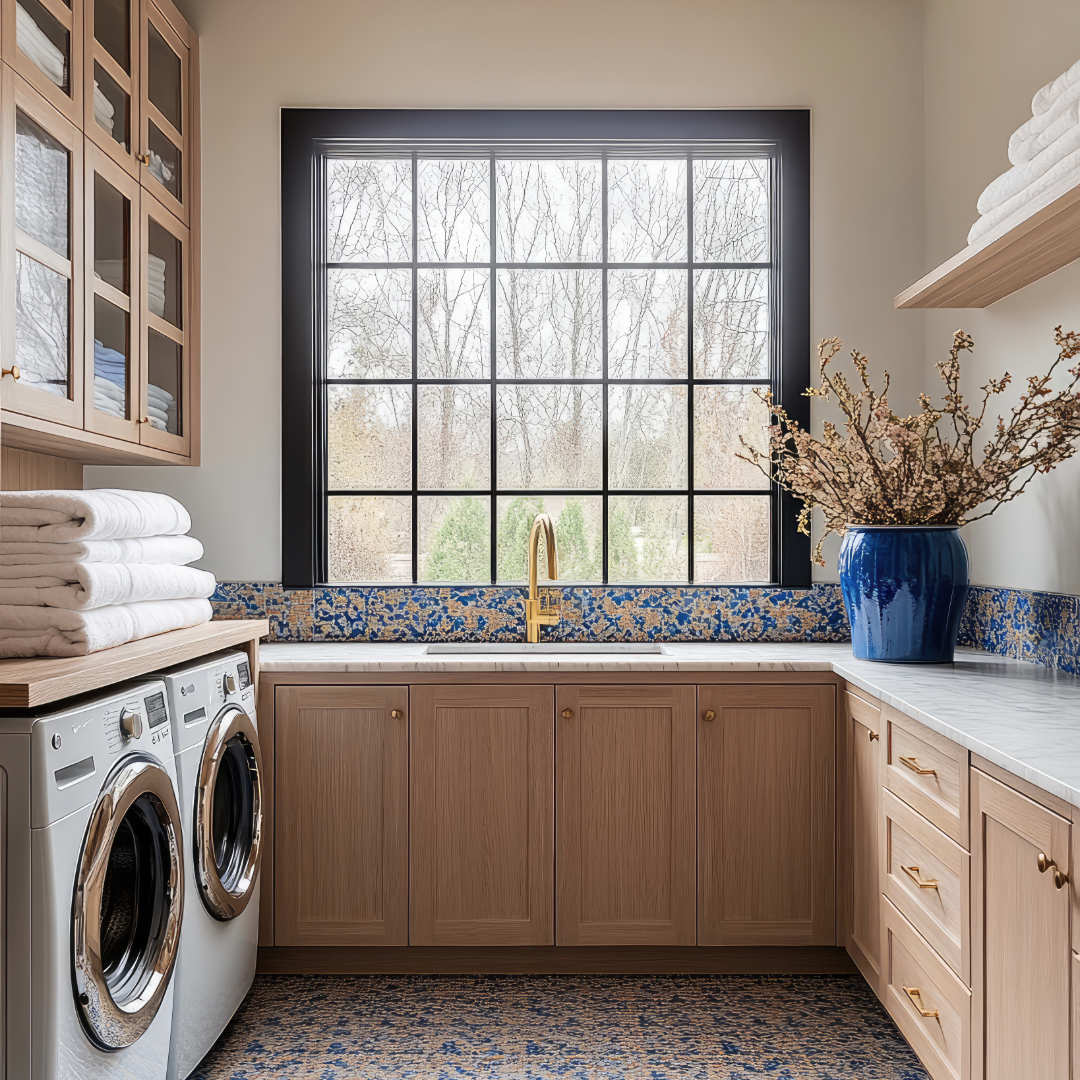
Warm Cabinet Design Isn't Limited to Traditional Homes
One misconception I hear on occasion is that warm cabinet design automatically feels traditional. In reality, warmth has very little to do with whether a kitchen is traditional or contemporary. Some of today's most successful contemporary kitchens incorporate natural materials in thoughtful ways that keep the space feeling modern without sacrificing comfort.
White oak kitchens are a great example. The cabinetry often features clean lines and minimal detailing, but the natural wood grain adds warmth and character that prevents the space from feeling sterile. Walnut cabinetry is another material that continues to appear in contemporary homes because it brings depth and richness while still supporting a streamlined aesthetic.
I'm also seeing more designers pair painted perimeter cabinets with a wood island, creating contrast and visual interest without overwhelming the room. Other contemporary kitchens introduce warmth through textured stone, brass accents, integrated lighting, or earthy color palettes that soften the overall design.
The common thread isn't a specific cabinet style. It's the balance between modern simplicity and natural materials. The design may be contemporary, but the space still feels welcoming, comfortable, and lived in. That's because warmth isn't tied to a particular aesthetic. It's tied to how a space feels when people spend time in it.
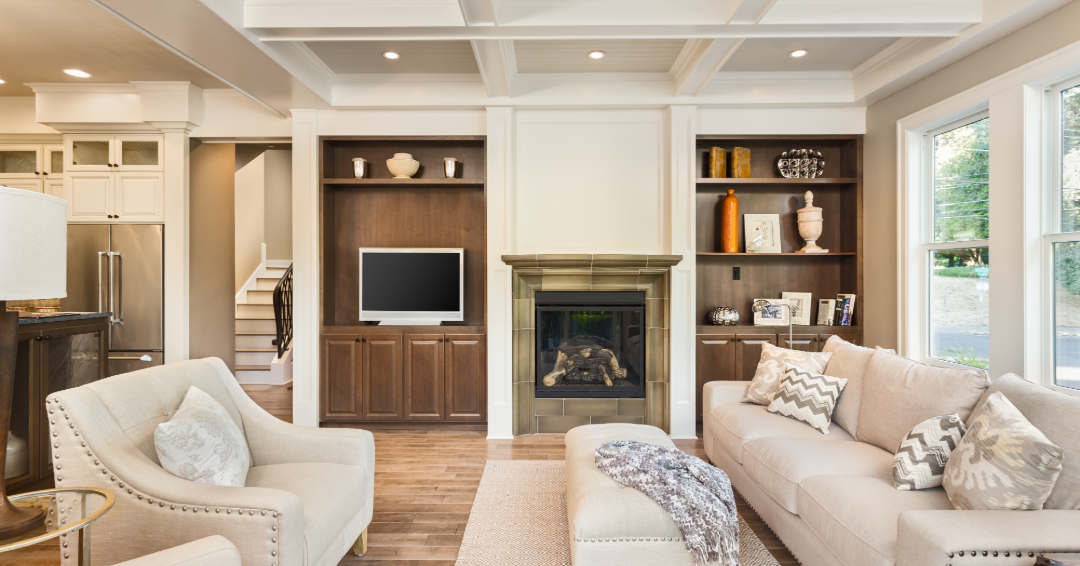
The Connection Between Warmth and Timeless Design
Another reason I think warm cabinet design continues to resonate with homeowners is because of the conversations I find myself having during the planning process. Most people aren't asking me what's trending right now. They're asking questions like, "Will I still love this in ten years?" or "Do you think this will feel dated?"
Those questions tell me they're thinking beyond the current design cycle. They're investing in their homes, and they want to feel confident that the decisions they're making today will still feel right years from now.
That's one of the reasons I continue to see homeowners gravitate toward natural materials. Wood has been used in homes for generations, and it has a way of remaining relevant regardless of what's happening in the design world. While cabinet colors and design trends tend to move in cycles, materials like white oak and walnut continue showing up because they bring something that feels lasting.
I think many homeowners are looking for that sense of permanence today. They want their kitchens to feel current, but they also want them to feel like they belong in their home for the long haul. Warm cabinet design often helps accomplish both.
My Final Thoughts on Warm Cabinet Design
When people talk about warm cabinet design, the conversation often centers around wood species, paint colors, and design trends. In my experience, the conversation usually comes back to something else entirely.
Most homeowners aren't searching for a particular shade of white oak or walnut. They're searching for a feeling. They want their home to feel comfortable. They want it to feel welcoming. They want it to feel like a place where people naturally gather and want to stay.
That's why I don't believe the growing interest in warm cabinet design is simply another trend cycle. Homeowners are responding to something much deeper than what's popular at the moment. They're looking for materials, colors, and spaces that feel connected to everyday life.
In many ways, warm cabinet design isn't about cabinetry at all. It's about creating a home that feels lived in, loved, and personal.
The cabinet styles, finishes, and colors may continue to evolve, but I suspect that desire for warmth isn't going anywhere. It's one of the reasons natural materials have remained relevant for generations and why they continue to resonate with homeowners today.
If you're planning a kitchen remodel, built-in project, or cabinetry update, don't start by asking what's trending. Start by asking how you want your home to feel. The answer will often tell you far more than any design trend forecast ever could.
If you'd like a partner to help bring that vision to life, we'd love to start the conversation. Visit our Contact Page to tell us about your project and let's explore what's possible together.